
Last updated November 4, 2026
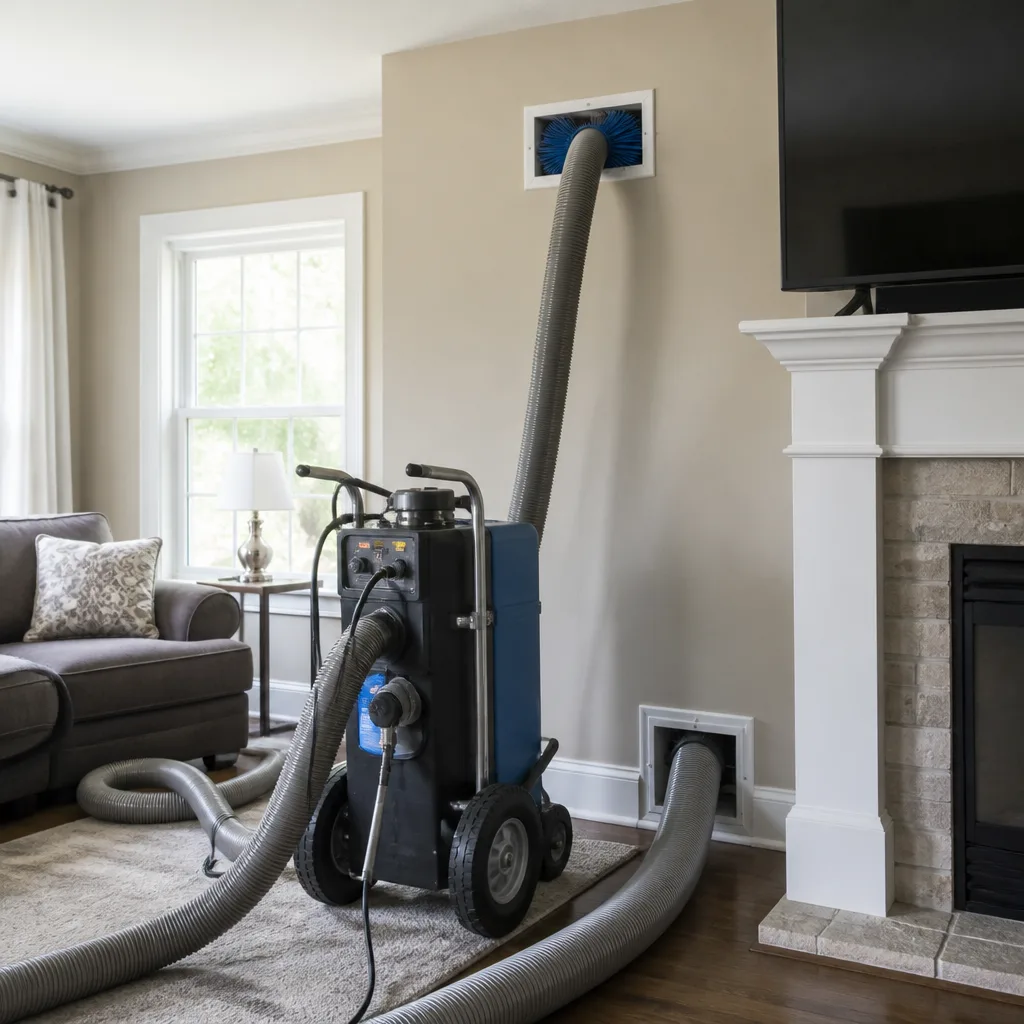 Whole-home duct cleaning
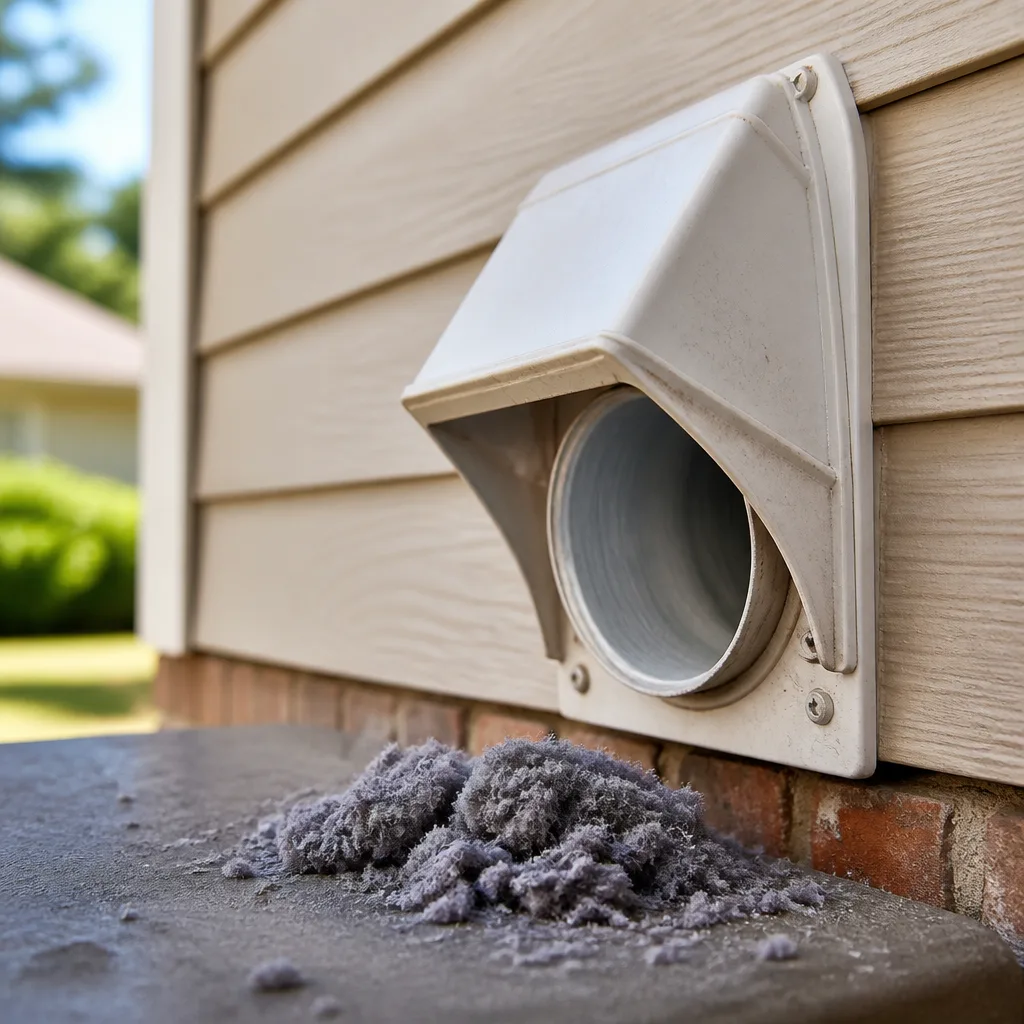 Dryer vent cleaning
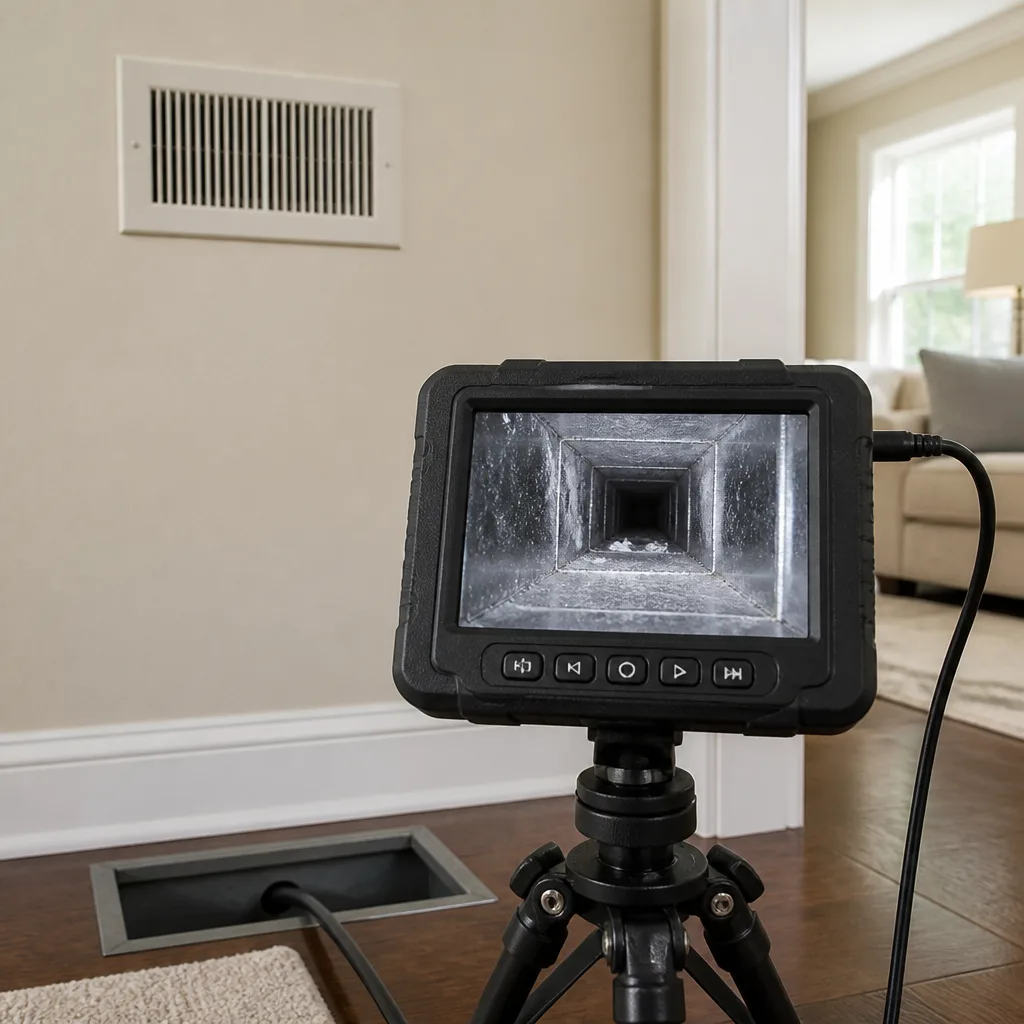 Camera inspection
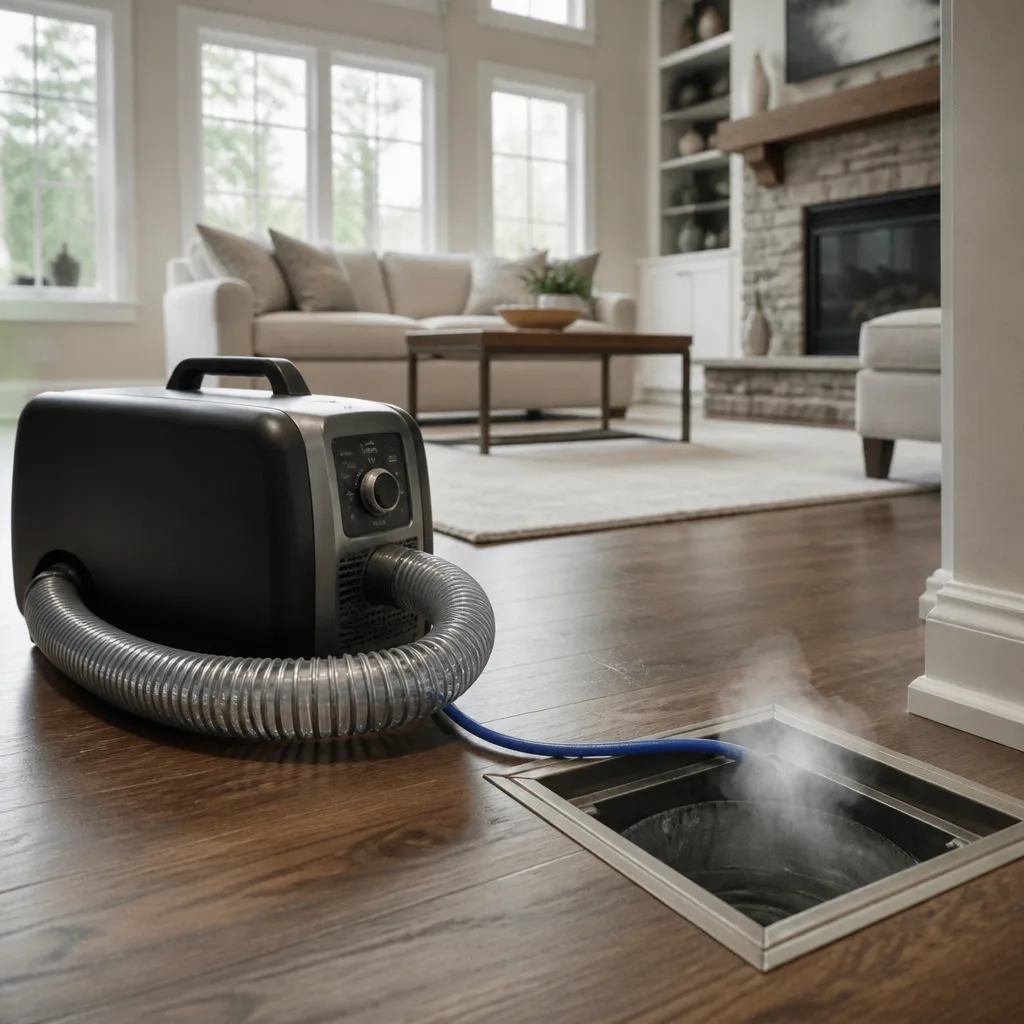 Sanitizing & deodorizing
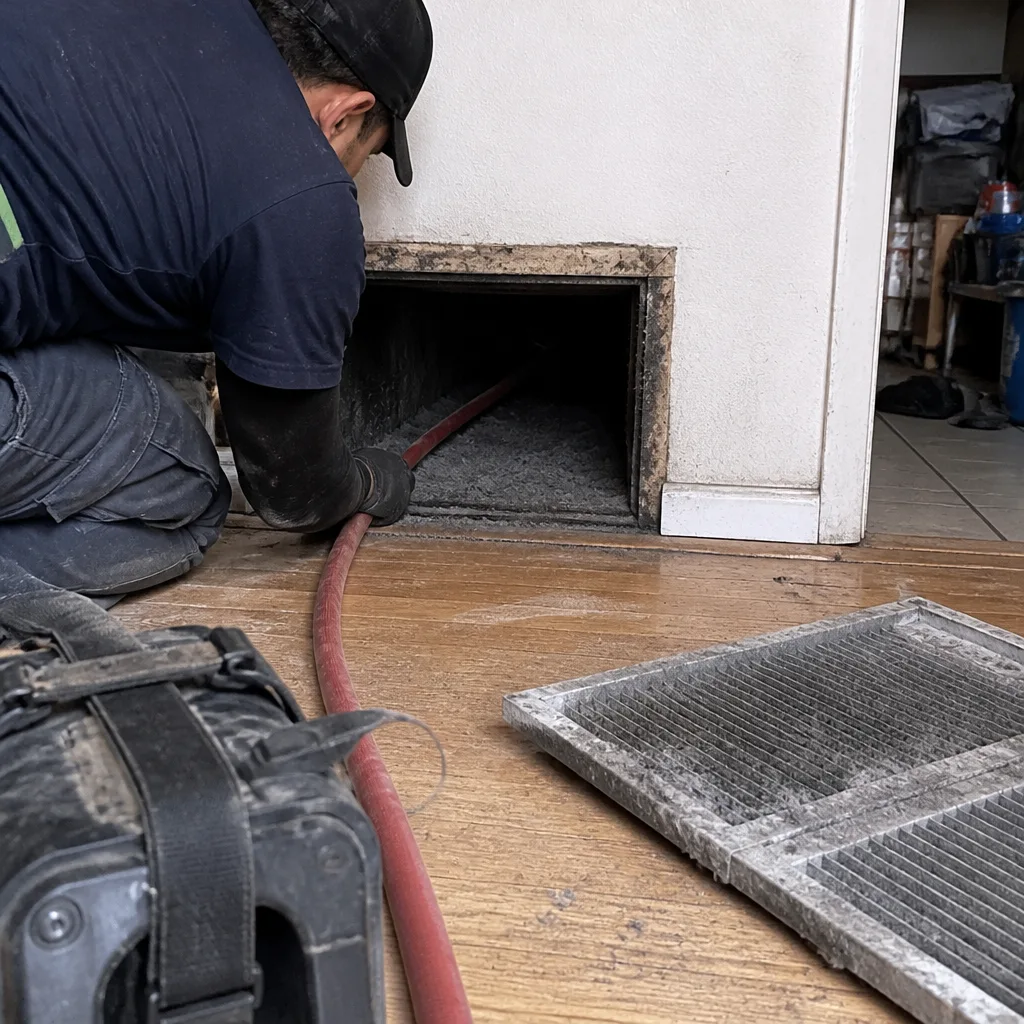
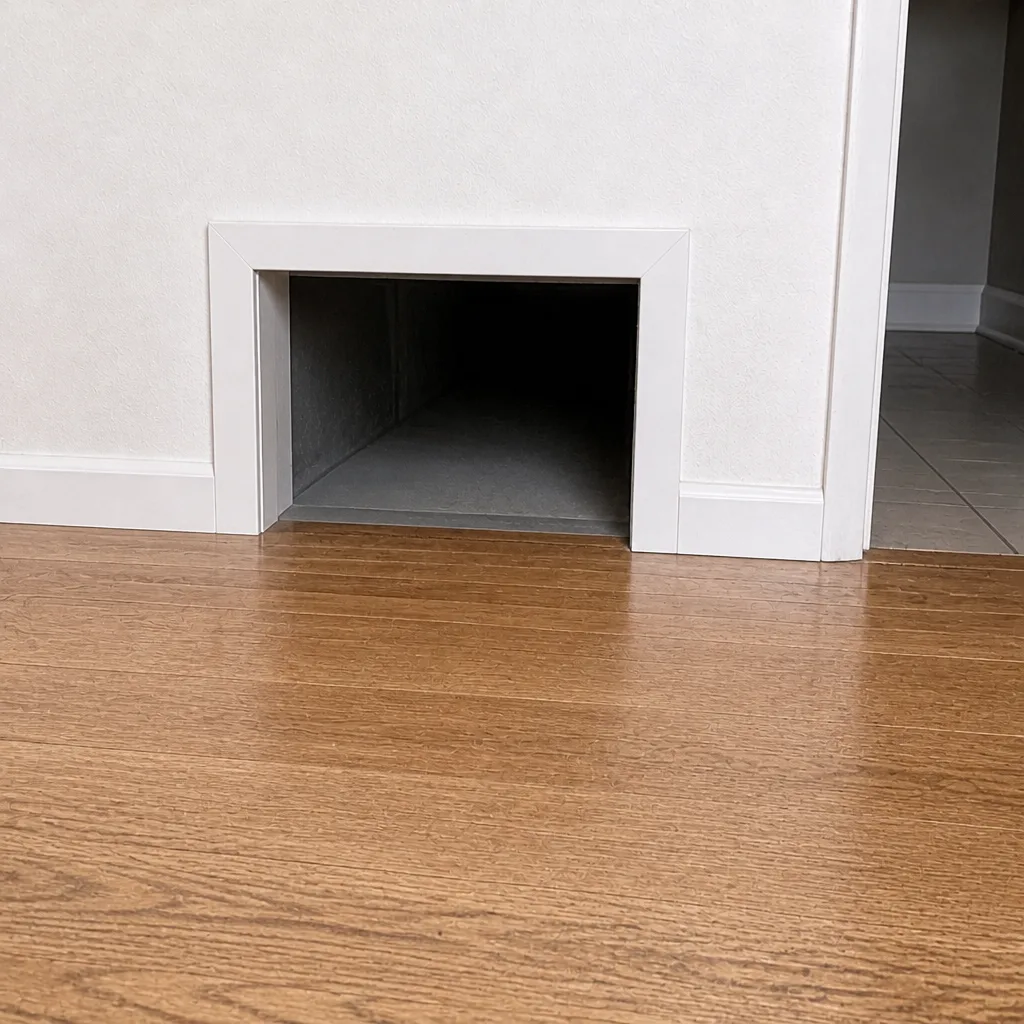
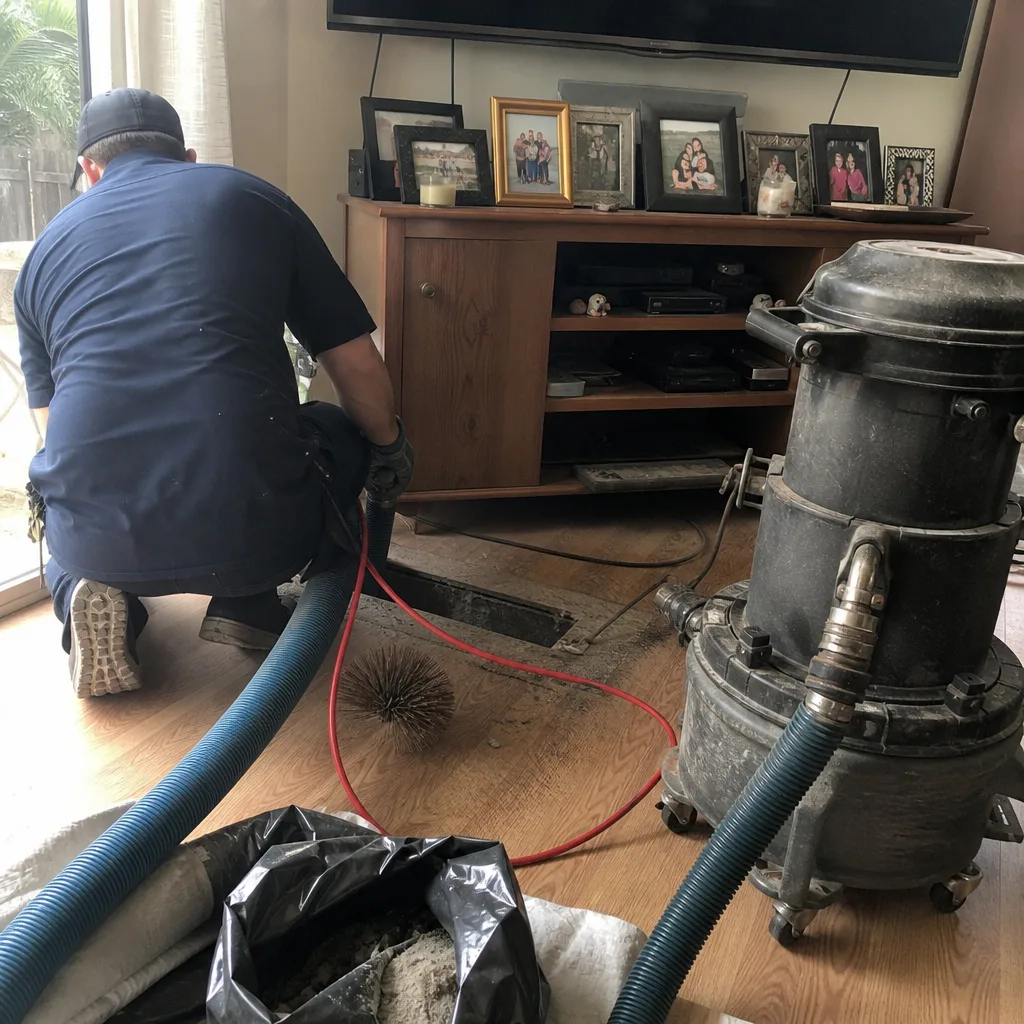
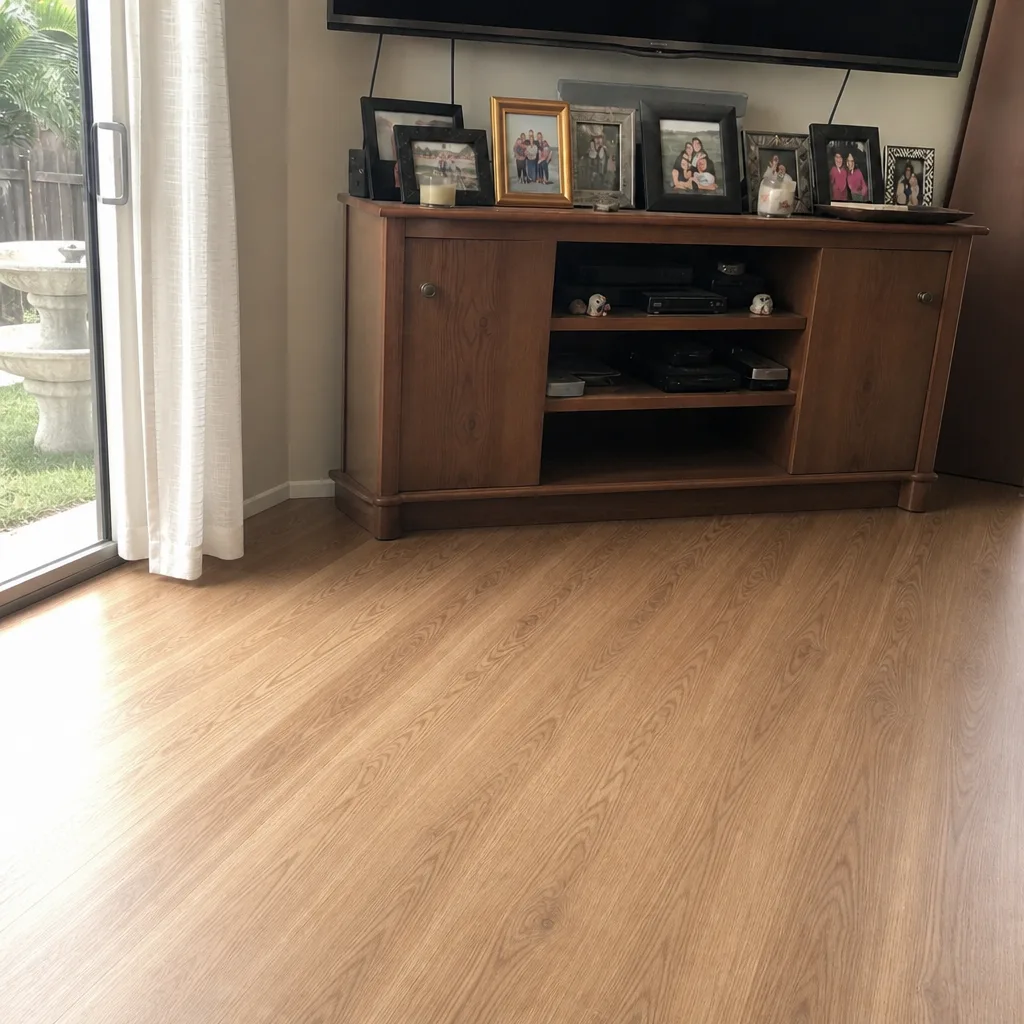
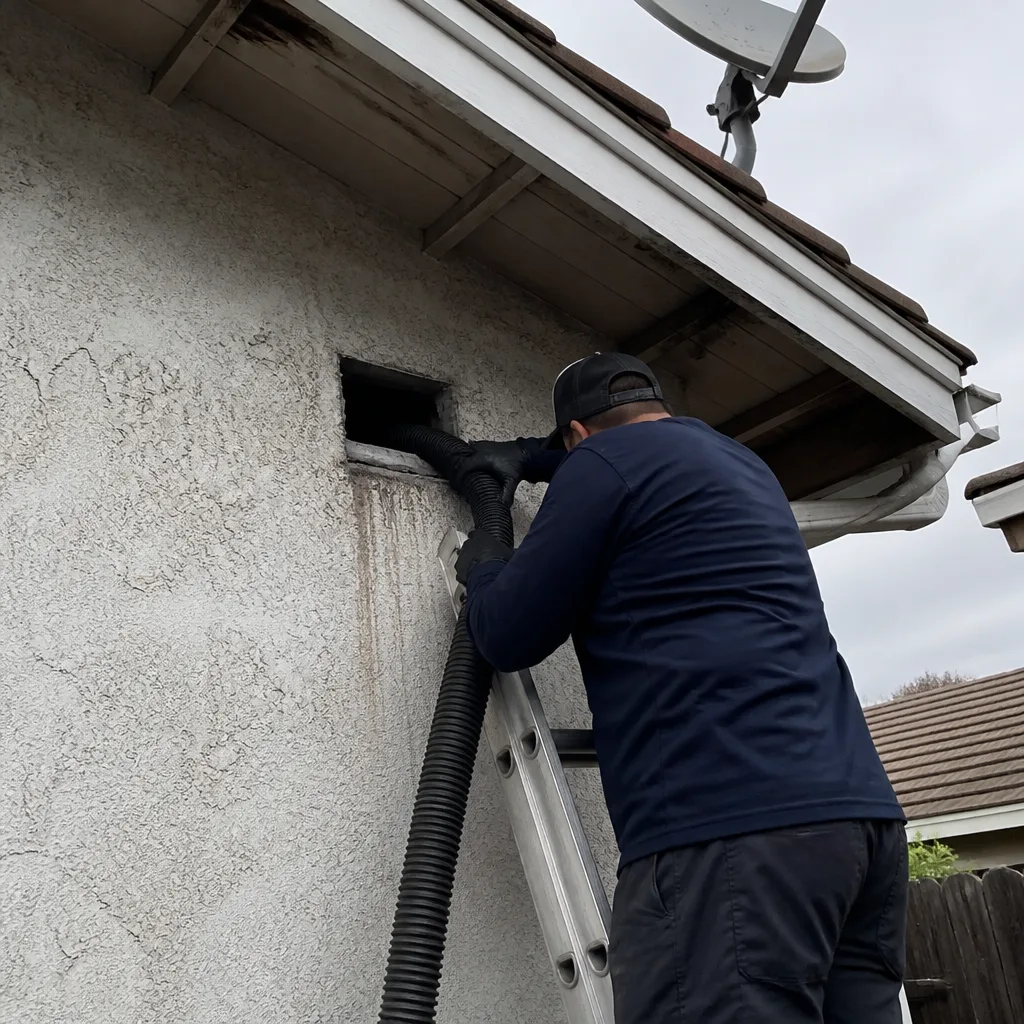
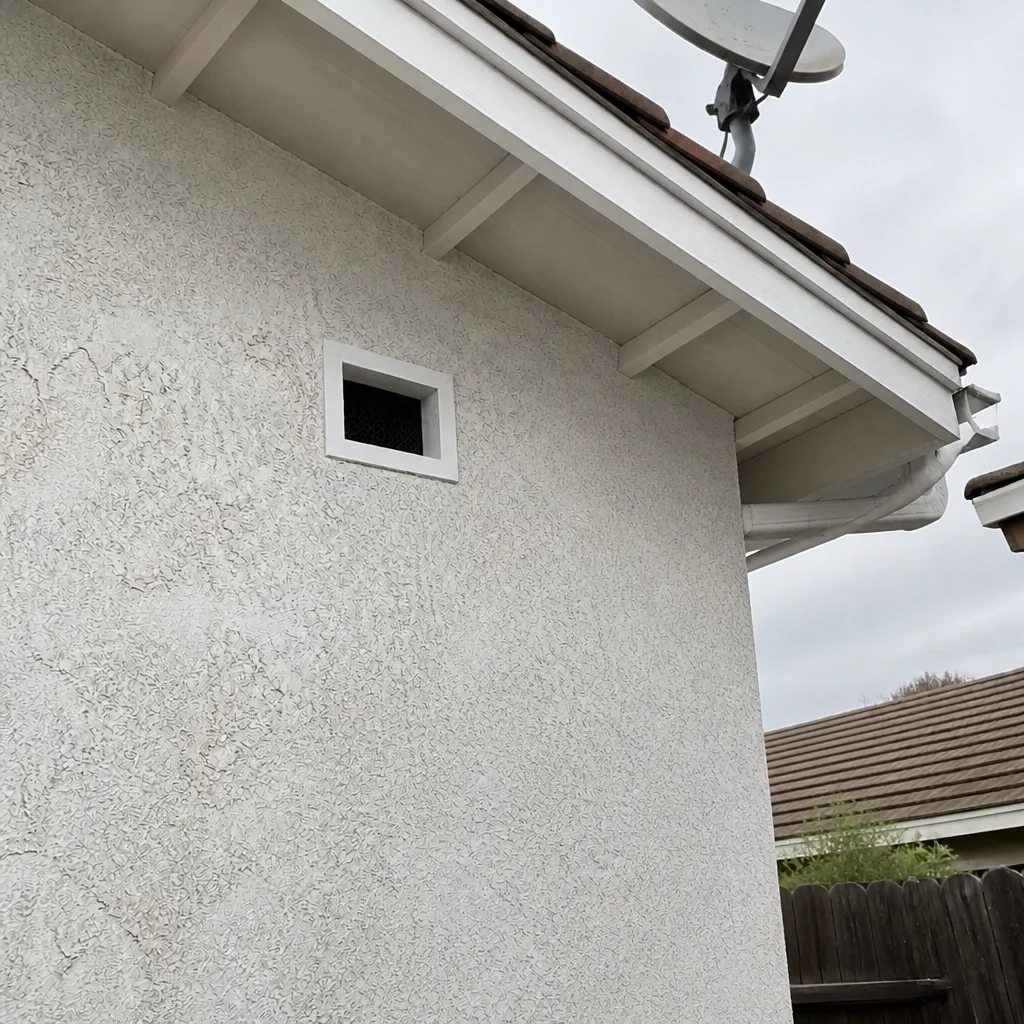
Whole-system duct and dryer vent check with before-and-after photos - you see exactly what came out of your vents
That "$99 whole-house special" is a bait ad - the real number appears once they are in your hallway, or the "clean" is a shop-vac at the register. We photograph the inside of your ducts before and after instead.
The Complete Guide to Air Duct Cleaning in Fountain Valley
Most homeowners in Fountain Valley think about their air ducts the way they think about the walls behind their furniture: out of sight, doing their job, not worth a second thought until something goes wrong. That assumption holds until a renovation coats every surface in fine drywall dust, or a family member’s allergies spike every time the air conditioner cycles on. This guide reframes duct cleaning not as a box to check on a home-maintenance calendar, but as understanding how your specific home’s air pathway actually works, so every cleaning decision you make is based on evidence from your own system, not a generic schedule someone mailed you.
Styles & brands we work with
- Whole-home duct cleaning
- Dryer vent cleaning
- Camera inspection
- Sanitizing & deodorizing
Quick Answer
Air duct cleaning in Fountain Valley means removing accumulated dust, debris, and contaminants from your HVAC system’s supply and return ductwork, registers, grilles, air handler, and cooling coil. A complete cleaning by a specialist using truck-mounted or high-powered portable equipment typically takes 3 to 6 hours for an average 2,000-square-foot home. The decision to clean should follow evidence from a visual inspection – visible dust buildup, debris in registers, or post-renovation contamination – rather than a fixed calendar interval.
Call Wellington Air Duct Cleaning at (877) 358-4557 for a free estimate. We answer 24/7. Fast dispatch from 7am to 7pm, Sunday through Friday.
Table of Contents
- How Fountain Valley’s Climate Affects Your Ducts
- Full-System Cleaning vs. Partial Cleaning: What You’re Actually Paying For
- Why Equipment Determines Cleaning Quality
- Signs Your Ducts Actually Need Cleaning
- What a Proper Cleaning Actually Includes, Step by Step
- How to Verify the Work Was Actually Done
- Red Flags Specific to Fountain Valley Contractor Practices
- Common Mistakes to Avoid
- When to Call a Professional
- Frequently Asked Questions
- The Bottom Line
How Fountain Valley’s Climate Affects Your Ducts
Fountain Valley sits close enough to the Pacific that the marine layer rolls in most evenings, pushing cool, damp air inland through the same fresh-air intakes that feed your HVAC system. That moisture-rich air doesn’t just pass through your ductwork – it lingers in the parts of the system where airflow slows, like return plenums and filter housings. When damp air meets the fine dust that every home generates, the result is a slightly tacky film that adheres to duct walls instead of blowing through. Generic national duct cleaning guides rarely account for this, but it’s a real factor in how Fountain Valley systems accumulate material.
Then comes the Santa Ana season. When those dry, gusty winds blow from the east, they carry particulates through every gap, vent, and opening in a home’s envelope. Windows closed, AC running, and the system’s filter working overtime – but a standard one-inch filter catches only a fraction of what enters. The rest settles into your supply ducts, waiting for the next marine layer cycle to turn that dry dust into something stickier. Over a few years, that cycle produces the gray, clinging residue we routinely see in Fountain Valley duct systems. It’s not dramatic. It’s just what the local weather does.
What this means practically: homes in Fountain Valley shouldn’t wait for a visible problem before paying attention to their ducts. The climate here creates a slow, steady accumulation pattern that rarely announces itself. A system that looked fine at a glance can hold significant buildup at the air handler and in the return drop, where air moves slowest and deposit rates are highest.
Full-System Cleaning vs. Partial Cleaning: What You’re Actually Paying For
Here’s the uncomfortable truth about the duct cleaning industry: many companies quote a price for “duct cleaning” that covers only the supply side. They hook a vacuum to the main supply trunk, run brushes through a few branch lines if you’re lucky, and call it done. The return side – which often carries more debris than the supply – goes untouched. The air handler cabinet, evaporator coil, and blower assembly? Ignored, because accessing them takes time and skill. What you paid for was maybe 40% of a cleaning, and you’d have no way to know.
A full-system clean is a different job entirely. It includes:
- Supply ducts: every branch line and the main trunk, from the air handler to each register.
- Return ducts: often the dirtiest part of the system, because return air is unfiltered until it reaches the air handler.
- Registers and grilles: removed, cleaned, and reinstalled – not wiped down from the outside.
- Air handler cabinet: the interior surfaces where dust collects and moisture can cause it to adhere.
- Evaporator coil: a coil coated in dust doesn’t transfer heat efficiently, which costs you money every cooling season.
- Blower assembly: dust on blower blades reduces airflow and can shorten motor life.
The difference between partial and full is visible in the results and in the labor involved. A partial clean might take 90 minutes with two technicians. A full-system clean takes several hours, uses more equipment, and produces a genuinely cleaner system. When you’re comparing quotes in Fountain Valley, ask one direct question: does this price include the return side, the coil, and the air handler? If the answer isn’t an unambiguous yes, you’re comparing against a partial clean.
Our position on this is simple. We only do full-system work. A partial clean doesn’t solve the problem it claims to solve, and we won’t put our name on a job we’d have to apologize for later. Air duct cleaning should mean the whole air pathway, not whichever part is easiest to reach.
Why Equipment Determines Cleaning Quality
A vacuum with a spinning brush is not the same as a professional-grade negative air system, and the difference shows up in what remains in your ducts when the crew leaves. The most meaningful distinction is between truck-mounted vacuum systems and portable units. Truck-mounted systems generate substantially higher static pressure and airflow – measured in CFM – than even well-built portable machines. That pressure differential is what loosens and removes debris that has been pressed into duct walls over years. Portable systems can do honest work on smaller homes, but their lower pressure ceiling means more debris stays behind in long runs or heavily soiled systems.
Brush type matters too. Pneumatic agitation tools – air-driven whips and skipper balls – do most of the physical loosening inside the ducts. A rotating brush on a cable works well for longer, straighter runs. The key is that the agitation tool reaches the full length of every branch. If a technician cleans only as far as the hose reaches from the register opening, the deepest portions of each branch keep their accumulation.
At Wellington Air Duct Cleaning, we run Rotobrush and Nikro systems, the same equipment categories used by certified restoration and remediation professionals. These aren’t rental machines from the hardware store, and they aren’t portable units borrowed from the carpet cleaning aisle. They’re purpose-built for extracting debris from residential duct systems under negative pressure, which is the only way to clean without blowing dust back into the living space.
If you’re evaluating a contractor, ask what equipment they run. If they can’t name the system, that’s an answer. If they describe a “powerful vacuum,” ask for the CFM rating. A technician who knows their equipment will have the number. One who doesn’t, won’t.
Signs Your Ducts Actually Need Cleaning
Forget the three-year or five-year “recommended interval” you read on industry sites. That interval assumes an average that may not match your home. A condominium with a single occupant and no pets accumulates far less than a four-bedroom house with two dogs, a cat, and a woodworking hobby. Rather than following a schedule, look for evidence in the system itself.
These are the indicators that justify a cleaning:
- Visible dust at the registers. Take a flashlight to your supply registers. If you see a gray or brown coating on the metal fins, that’s what the air in your ducts looks like. Dust at the register means dust throughout the branch.
- Debris concentration in specific rooms. One bedroom consistently dustier than the rest often indicates a branch duct with an obstruction or significant buildup. Air moves slower through that run, depositing more particulate in that room.
- Post-renovation dust. Drywall sanding, flooring removal, and tile cutting generate fine particulate that infiltrates ducts that were uncovered or under negative pressure during construction. If you renovated recently, a cleaning should follow before you reoccupy the space fully.
- Visible debris in the return. Remove a return grille and look inside. You’re looking at the air your family breathes. If there’s a dust blanket on the return drop, the supply side almost certainly has buildup too.
- Increased HVAC runtime. Dust on the evaporator coil insulates the coil surface, reducing heat transfer efficiency. Your system runs longer to hit the same temperature. A coil cleaning is part of a proper duct cleaning, not a separate upsell.
- Persistent odors from registers. A musty scent when the fan cycles suggests microbial growth somewhere in the system, often where dust and moisture combine in the air handler or coil area. The ductwork should be inspected, not just deodorized.
None of these signs alone proves you need a cleaning. But any two together make a strong case, and any one combined with visible contamination at the air handler should prompt a professional inspection.
What a Proper Cleaning Actually Includes, Step by Step
A legitimate full-system duct cleaning follows a sequence. If a company skips steps or describes the job in vague terms, they’re planning to cut corners. Here’s what the process should look like, in the order it should happen:
- System inspection. Before any equipment runs, a technician should inspect the system: registers, return grilles, air handler access, coil condition, and duct material. This establishes the scope and identifies any issues – disconnected runs, crushed flex duct, evidence of pests – that affect the cleaning approach.
- System protection. Floors and carpets near work areas get drop cloths. The HVAC system is powered down at the thermostat and the disconnect.
- Access preparation. Registers and grilles are removed. Access holes are cut into the supply and return trunks where necessary.
- Negative pressure connection. The vacuum system connects to the ductwork, creating negative pressure inside the entire system. This is the safety mechanism that ensures loosened debris is pulled out of the ducts, not blown into the home.
- Agitation and extraction. Branch lines are worked with agitation tools that dislodge accumulated debris. The negative pressure carries it out to the vacuum’s collection system.
- Return side cleaning. The same process applies to the return ducts, which often require more attention due to the unfiltered air they carry.
- Air handler and coil cleaning. The air handler cabinet, blower assembly, and evaporator coil are cleaned using appropriate methods. Coil cleaning requires care – high-pressure air or water can damage coil fins. Trained technicians know the difference.
- Registers and grilles reinstallation. Cleaned registers and grilles go back into place. Access holes are patched with proper materials, not duct tape.
- Final inspection. A post-cleaning inspection verifies the work completed. A camera scope through the access points shows what the ducts look like after cleaning. You should be able to see the difference.
This process takes time. A single technician can’t do all of it properly in two hours. Budget for a half day, and be skeptical of anyone who promises a complete job significantly faster.
How to Verify the Work Was Actually Done
The duct cleaning industry’s dirtiest secret isn’t about ducts. It’s about trust. When the work happens inside walls you can’t see, a dishonest contractor can do very little and invoice for a full cleaning. The unfortunate truth is that some Fountain Valley homeowners have paid for cleanings that were never performed. You can protect yourself by knowing what verification looks like.
First, ask for before and after photos or video. With the camera equipment commonly available today, there’s no reason a technician can’t document the interior of your ducts before starting and after finishing. A company that refuses this simple request is telling you something.
Second, be present during the cleaning. Not to hover, but to see the equipment actually running. Is the vacuum system connected? Are technicians actually working branch lines, or are they standing at the air handler while the machine hums? You don’t need technical knowledge to see whether physical work is happening.
Third, check the collection. Professional vacuum systems capture debris in a visible container or bag. At the end of the job, ask to see what came out. A substantial cleaning of a genuinely dirty system produces a visible quantity of material. If the collection container is empty after a four-hour cleaning of a system that supposedly had years of buildup, something doesn’t add up.
Fourth, look at the access points. A proper cleaning almost always requires cutting access holes into the ductwork. These should be patched neatly with metal patches and screws, not left open or taped over. Sloppy patching is a sign of sloppy work throughout.
Finally, inspect a register or two before the crew leaves. The metal fins should be clean, not just the visible face. Run a white cloth along the inside of the duct opening. If it comes back gray, ask why.
Red Flags Specific to Fountain Valley Contractor Practices
Every market has its own patterns of questionable practice, and Fountain Valley’s competitive contractor landscape has produced some recognizable ones. Knowing them before you start calling companies will save you from becoming another cautionary story.
The mold scare after a camera scope. A technician scopes your ducts, finds what looks like dark staining, and immediately pivots to a mold remediation pitch that costs thousands more than the quoted cleaning. Some of these findings are legitimate. Many are not. Dust accumulation on duct surfaces photographs as dark, irregular patches that can resemble mold to an untrained eye. If a contractor scopes your system and immediately recommends remediation, get a second opinion before spending remediation money. A reputable air duct cleaning specialist will tell you honestly whether what you’re seeing is dust, normal staining, or something requiring specialized attention.
The bait-price clean. A low quoted price that doubles once the crew arrives and “discovers” the return side needs cleaning too, or the coil is “contaminated,” or the job needs “extra equipment.” The fix is to confirm scope before the crew arrives: what’s included, what isn’t, and what conditions would change the price.
The franchise flash. A national brand name on the truck doesn’t guarantee a better cleaning. In many cases, the national brand is a marketing operation, and the actual work is done by a local operator with varying equipment and training. Judge by the equipment they run and the questions they answer, not the logo on the door.
The per-vent upsell. Quoting a base price that covers “up to” a number of vents, with each additional vent priced separately. This encourages a fast, shallow pass through each vent rather than a thorough cleaning of the whole system. You want a whole-system price, agreed before work starts.
Common Mistakes to Avoid
- Choosing based on price alone. The lowest quote in Fountain Valley is almost certainly a partial clean or a bait-price. A full-system cleaning costs what it costs because the labor and equipment are real. Paying less usually means getting less, even if the invoice says otherwise.
- Waiting for a problem before inspecting. By the time you notice dust at every register or a musty smell from the vents, the system has been circulating that material for months or years. A periodic visual inspection catches buildup early, when it’s cheaper and easier to address.
- Assuming your HVAC technician handles ducts. Most HVAC service companies don’t clean ducts. Their focus is mechanical repair and replacement. A technician who swaps your blower motor won’t clean your branch lines at the same time, and shouldn’t be expected to.
- Falling for the “sanitizing fog” upsell. Fogging the ducts with a deodorizer or antimicrobial spray makes the system smell clean without removing the material that caused the odor in the first place. Cleaning removes the source. Fogging masks it briefly.
- Believing a filter change is enough. A new filter protects the air handler from incoming debris, but it does nothing for what’s already accumulated in the ductwork. The filter is a screen, not a cleaner.
- Ignoring the dryer vent. In Fountain Valley homes, the dryer vent is usually a short, straight run to an exterior wall – which makes it easy to forget and dangerous to neglect. Lint accumulates even in short runs, and a clogged dryer vent is a fire hazard. Dryer vent cleaning is a safety service, not an add-on.
- Skipping the post-cleaning verification. If you don’t check the work, you’re betting your money on someone’s honesty. Before and after photos, a visible collection container, and clean register interiors are your evidence. Insist on them.
When to Call a Professional
Duct cleaning isn’t a DIY project. The equipment required to do the job correctly – negative air systems, proper agitation tools, access hole cutting and patching – isn’t available at retail, and the skills involved take training to develop. If you’ve spotted visible dust at registers, experienced a recent renovation, or noticed allergy symptoms that correlate with AC runtime, it’s time for a professional inspection. If your dryer has been taking longer than normal to finish a load, or the exterior vent flap isn’t opening when the dryer runs, that’s a separate issue that deserves prompt attention. Wellington Air Duct Cleaning offers free estimates in Fountain Valley – call (877) 358-4557. We answer 24/7. Fast dispatch from 7am to 7pm, Sunday through Friday.
Frequently Asked Questions
Air duct cleaning in Fountain Valley typically costs between $400 and $900 for a full-system cleaning of an average single-family home, with the final price set by the written estimate based on system size, accessibility, and degree of contamination. The range reflects the difference between a basic two-story tract home and a larger custom home with multiple air handlers. Call (877) 358-4557 for a free estimate based on your specific system.
Ducts should be cleaned when evidence indicates they need it, not on a fixed interval – a home with two shedding dogs and a recent renovation may need attention in three years, while a single-occupant condominium might go a decade without significant buildup. The reliable approach is a periodic visual inspection of registers, return grilles, and the air handler. Let the condition of the system, not a calendar, drive the decision.
A proper full-system cleaning removes accumulated dust, particulate, and debris from the air pathway, which reduces the volume of airborne material that enters living spaces when the HVAC system runs. The key variable is whether the cleaning is actually full-system – a partial clean that leaves the return side and air handler untouched produces disappointing results. Done correctly, the difference is measurable in reduced dust accumulation on surfaces.
Duct cleaning removes accumulated material from inside the ductwork, while air duct repair addresses physical damage – disconnected runs, crushed flex duct, holes or tears, and unsealed joints – that causes air leakage and reduced efficiency. A specialist who offers both can identify and fix these issues during the same service call, rather than cleaning around damage and leaving it in place. Our Fountain Valley service area includes homes with both needs.
A homeowner with a shop vacuum and some brushes can clean the first few inches of visible duct at each register, but cannot reach the deep branch lines, main trunk, air handler, or evaporator coil where most accumulation concentrates. The equipment to do this properly – high-CFM negative air systems and professional agitation tools – isn’t available at rental counters. What looks like a DIY success usually removes only what was already visible.
Cheaper quotes almost always reflect a smaller scope of work – a supply-side-only clean, no air handler or coil service, fewer branch lines worked, or no post-cleaning verification. A full-system cleaning costs what it costs because the labor and equipment are the same regardless of who performs it. If one Fountain Valley quote is half the price of the others, ask what’s included, then call (877) 358-4557 for a comparison.
The Bottom Line
Air duct cleaning in Fountain Valley isn’t a checkbox – it’s a decision about how the air moves through your home. The marine layer and Santa Ana winds give local systems a predictable accumulation pattern, but only a proper full-system cleaning addresses it. That means supply and return ducts, the air handler, the coil, and the blower, done with professional-grade equipment and verified with before and after evidence. Wellington Air Duct Cleaning has served Fountain Valley since 2013, and our single-niche focus on air duct systems means the job we quote is the job we do. Call (877) 358-4557 for a free estimate. We answer 24/7. Fast dispatch from 7am to 7pm, Sunday through Friday.
Written by the team at Wellington Air Duct Cleaning, serving Fountain Valley since 2013.
See the difference
 Before
 After
 Before
 After
 Before
 After