
Last updated November 4, 2026
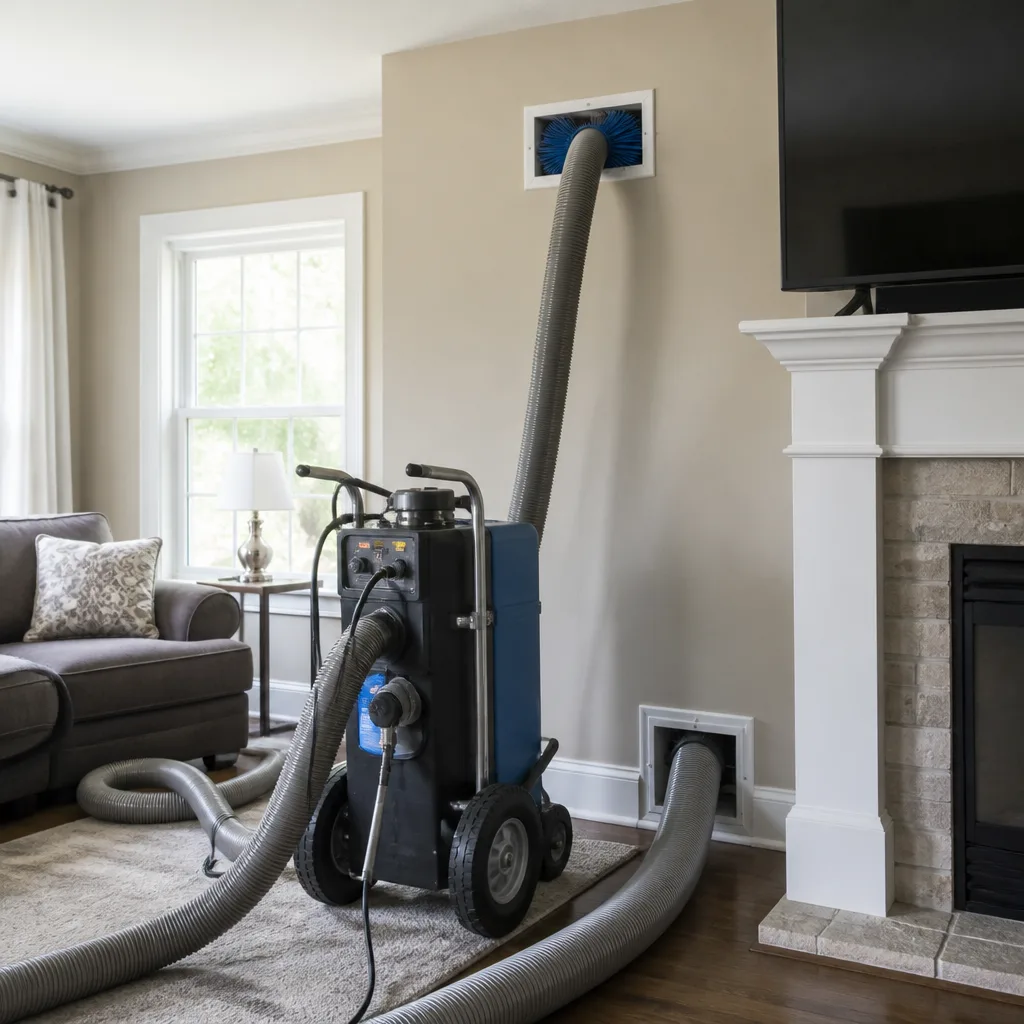 Whole-home duct cleaning
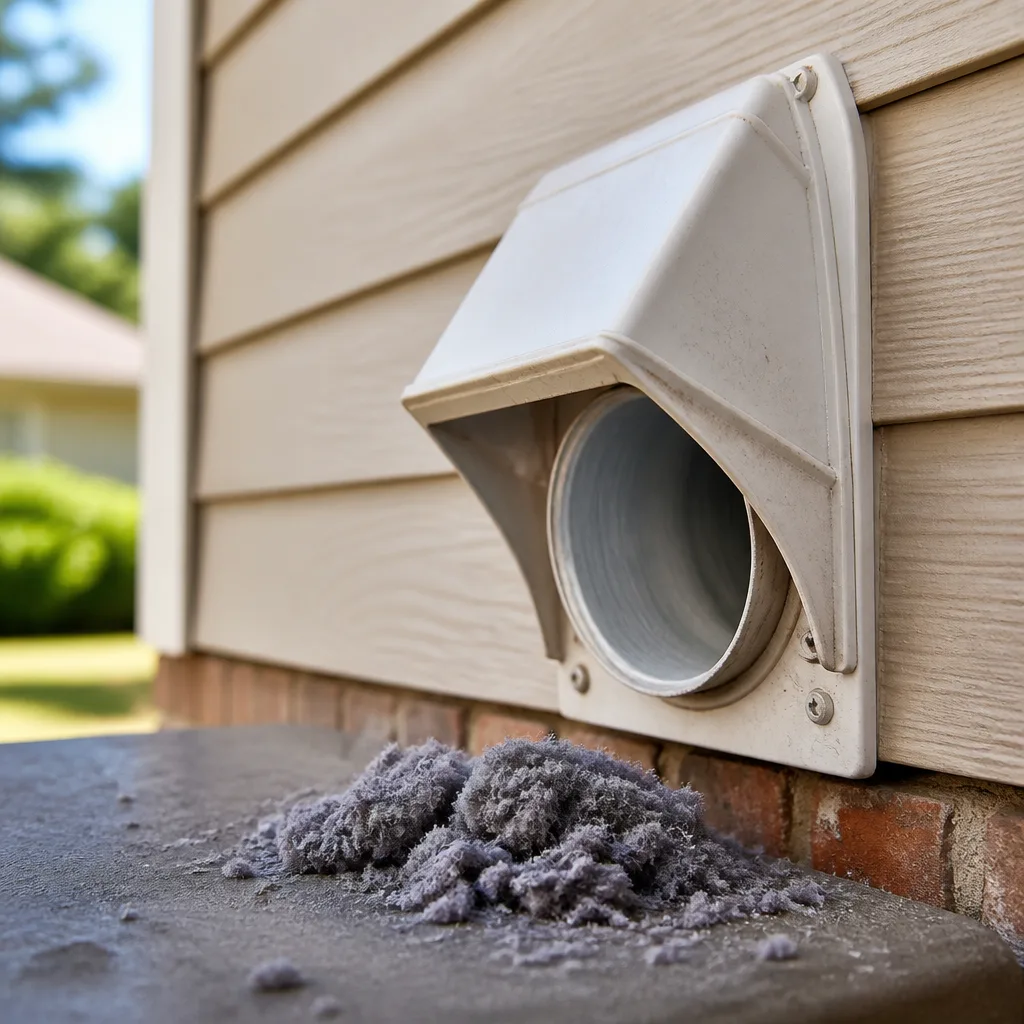 Dryer vent cleaning
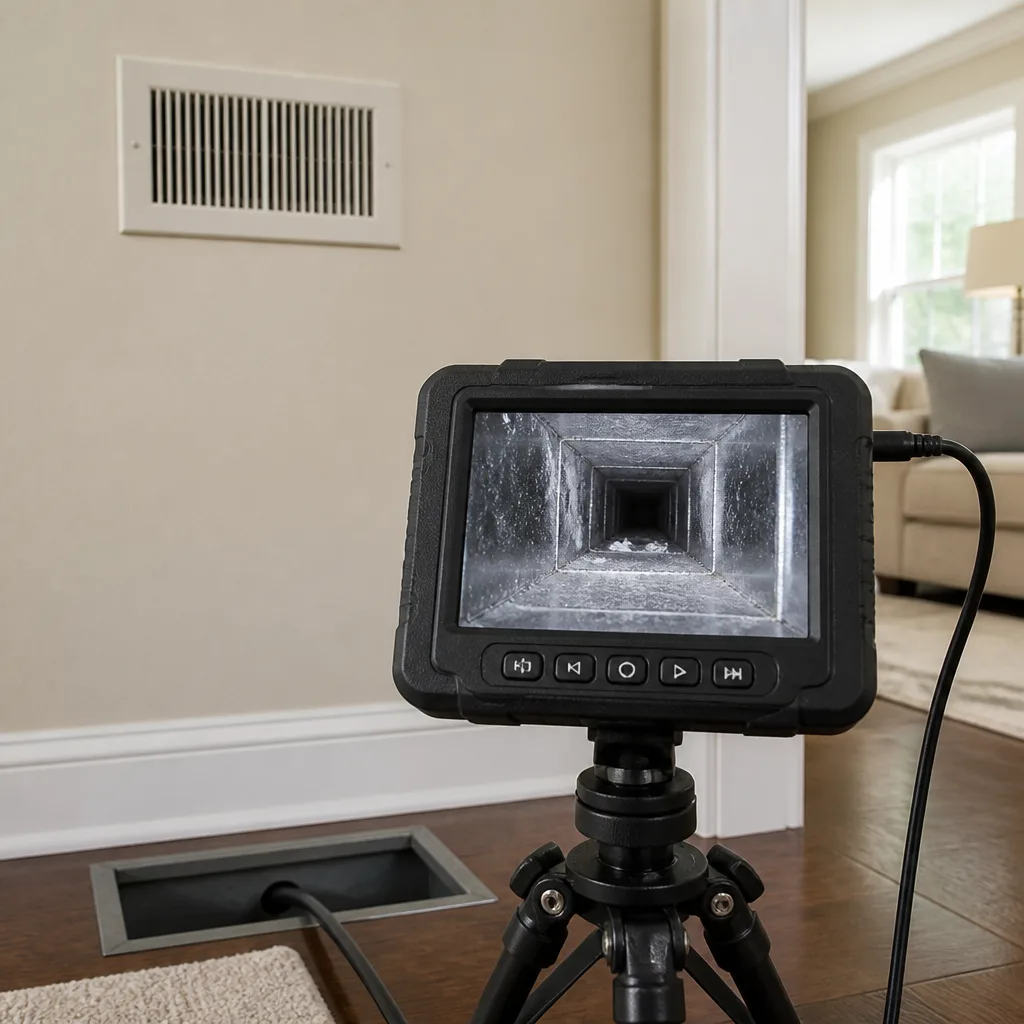 Camera inspection
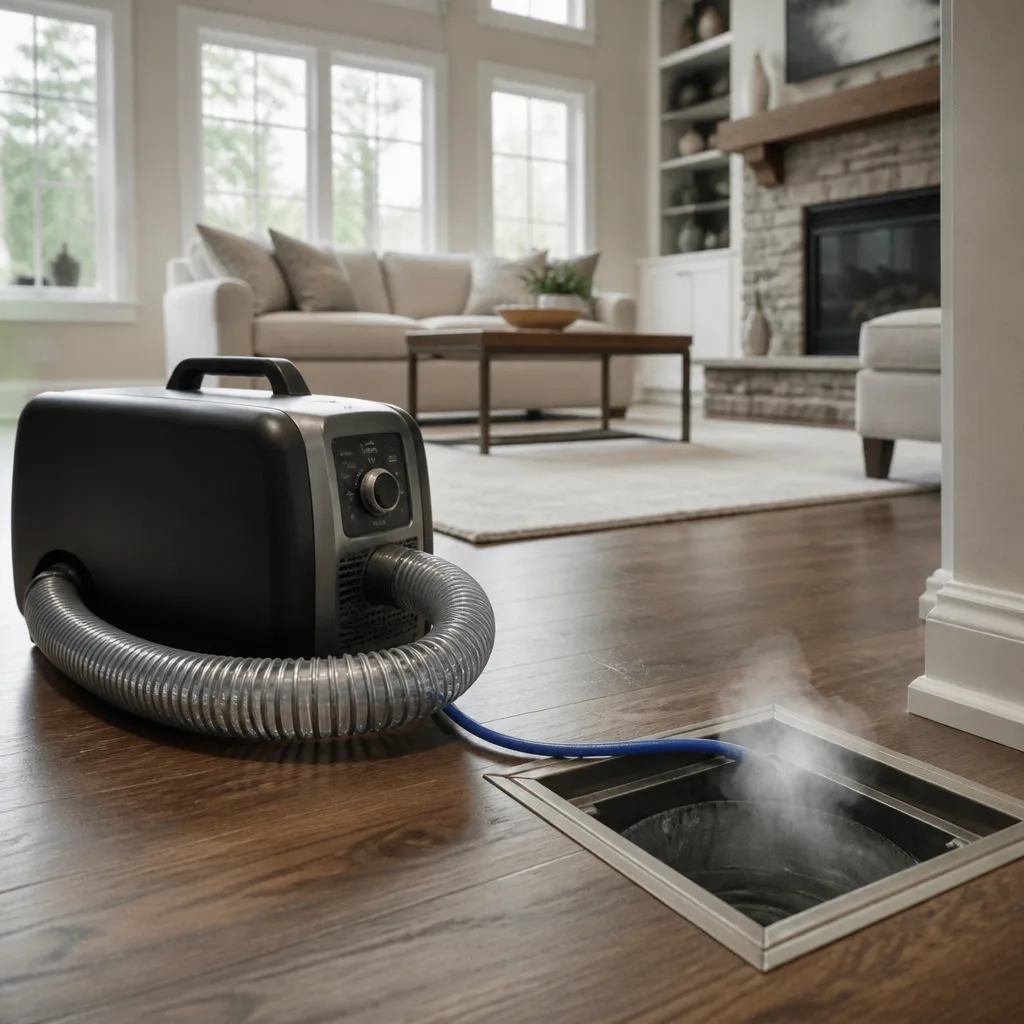 Sanitizing & deodorizing
Whole-system duct and dryer vent check with before-and-after photos - you see exactly what came out of your vents
That "$99 whole-house special" is a bait ad - the real number appears once they are in your hallway, or the "clean" is a shop-vac at the register. We photograph the inside of your ducts before and after instead.
Seasonal Air Duct Cleaning Care for Fountain Valley: Year-Round Homeowner’s Guide
Most seasonal home care advice wasn’t written for Fountain Valley. We don’t get freezing winters or dramatic fall leaf drops, so the standard “spring and fall” duct cleaning calendar misses the point. What we actually get are three distinct stress periods: the marine layer months that keep evaporator coils damp, the October Santa Ana wind events that push fine particulate into the South OC basin, and the relentless cooling season from June through September. Each of these patterns deposits something different in your ductwork, and each requires a different response. This guide walks through what those responses are, month by month, so you can protect your system year-round.
Quick Answer
In Fountain Valley, air duct cleaning should align with three regional patterns: a pre-cooling season inspection in April or May, an immediate duct check after any Santa Ana wind event October through November, and routine cleaning every 2 to 3 years for most homes. Homes with pets, recent renovation dust, or allergy-sensitive occupants often need cleaning annually. The goal isn’t to chase a calendar season; it’s to respond to what our specific climate actually pushes through your system.
Styles & brands we work with
- Whole-home duct cleaning
- Dryer vent cleaning
- Camera inspection
- Sanitizing & deodorizing
Table of Contents
- What Fountain Valley’s Climate Actually Loads Into Your Ducts
- The Month-by-Month HVAC Stress Calendar
- What to Do After a Santa Ana Wind Event or Wildfire Smoke Advisory
- How the Summer Cooling Season Affects Your Evaporator Coil and Ductwork
- The Spring Pre-Season Inspection: Before You Fire Up the AC
- Winter Heating Mode: What Your Furnace Pushes Through First
- Common Mistakes to Avoid
- When to Call a Professional
- Frequently Asked Questions
What Fountain Valley’s Climate Actually Loads Into Your Ducts
Fountain Valley sits in a coastal plain that doesn’t freeze, doesn’t snow, and rarely sees dramatic temperature swings. That sounds gentle, but it creates a specific contamination profile. The marine layer that rolls in most mornings from late spring through early summer keeps relative humidity elevated for hours at a time. That moisture finds its way into return-air ducts and across the evaporator coil, where it lingers long after the outdoor air has dried. Dust that would blow through a drier system instead clings to damp coil surfaces and the first few feet of supply ductwork.
Then comes fire season. The Santa Ana winds that push from the inland deserts toward the coast in October and November carry fine ash, soot, and dislodged soil particles. These aren’t the large visible particles you’d notice on a windowsill. They’re sub-micron particulates that pass through standard return-air filters and settle in the duct system itself. The result is a layered contamination problem: biological material from the damp months, then a fine particulate coating from the wind months, then more biological material the following spring. Each layer compounds the one before it.
What this means in practical terms is that Fountain Valley homes don’t get a “clean” season where ductwork naturally empties itself. The system is either accumulating or holding. That’s why we approach air duct cleaning as a response to accumulated load rather than a date on a generic calendar. Timing matters more than frequency.
The Month-by-Month HVAC Stress Calendar
Understanding what your system faces each month in Fountain Valley helps you respond before a problem becomes visible. Here’s what we’ve observed working in homes across the area.
January and February: Heating Mode, Dry Air, and Latent Dust
These are the coolest months Fountain Valley sees, though “cool” means lows in the high 40s and days in the 60s. Gas furnaces cycle on in the early morning and evening. The supply air is warm and dry, which tends to desiccate whatever is already sitting in the ductwork. Fine dust that was damp and adhered to duct walls during the previous summer’s cooling season now dries out and releases into the airstream. This is why some homeowners notice more visible dust on furniture in January and February than in any other month. The furnace isn’t creating new contamination; it’s mobilizing what was already there. If you’re seeing this pattern, it’s a sign the system is carrying accumulated load from the previous year.
March and April: The Transitional Window
Fountain Valley shoulder seasons are short. March and April bring warmer days, fewer heating cycles, and not yet enough heat to run the AC. This is the ideal window for dryer vent cleaning, which many homeowners pair with a duct inspection since both systems benefit from attention before the cooling load arrives. It’s also the best time to have air ducts cleaned if they’re due, for a simple reason: whatever the winter heating season mobilized is still loose and extractable, and whatever the coming cooling season would hold is not yet in place. Clean ducts in March stay visibly cleaner longer than ducts cleaned in August, because the summer moisture load hasn’t started.
May: Marine Layer Peak
May is the month Fountain Valley gets its heaviest marine layer presence. Overcast mornings stretch into early afternoon on many days, and outdoor humidity regularly exceeds 80% before noon. For your HVAC system, this means return air is carrying more moisture than at any other point in the year. When that air crosses a cold evaporator coil, condensation forms. That’s normal and by design. The issue is what the moisture traps: whatever the return ducts are carrying. If those ducts have dust accumulation, the damp surfaces in the air handler become a collection point. Over multiple May mornings, that collection builds. By the time June arrives and the cooling season begins in earnest, the coil and adjacent duct surfaces may already be carrying significant biological potential. This is why we recommend homeowners in Fountain Valley pay attention to May as the canary month. If you notice a musty odor when the AC first kicks on, it’s likely the previous season’s moisture plus this season’s marine layer doing exactly what physics says they will.
June Through September: Peak Cooling Demand
This is the longest stress period for Fountain Valley HVAC systems. From June through September, daytime highs run from the mid-70s to the low 90s, and cooling systems run for hours each day. The evaporator coil cycles through repeated condensation events, and the ductwork nearest the air handler is subject to constant temperature and humidity fluctuation. Any organic material or dust accumulation in that zone has four solid months of ideal conditions to do whatever biological processes it’s inclined to do. We’ll cover this in more detail in the cooling season section below.
October and November: Santa Ana Season
The October Santa Ana wind events that push smoke and particulate into the South OC basin can deposit more in a home’s duct system in 72 hours than the previous six months of normal operation combined. These winds arrive as hot, dry, high-pressure air pushing from the inland desert toward the coast, and they carry dust, ash, and whatever regional wildfire smoke is in their path. The particulates are extremely fine and enter homes through every gap, then get drawn into return ducts and distributed through the supply side. The immediate visible evidence might be a fine silt on window sills and hard floors. What you can’t see is what’s now inside the duct system, resting on every horizontal surface, including the supply registers, the inside of the trunk lines, and the top of the air handler itself. We’ll cover the immediate response protocol below.
December: Post-Season Settling
By December, the Santa Ana winds have usually subsided and the cooling load is gone. The furnace has begun cycling again, and whatever entered the ducts in October and November begins the drying and mobilizing process we described for January. December is a good month for assessment. If you didn’t address the Santa Ana load immediately, the end of the year is the next-best window to have the system cleaned before the winter heating season fully takes hold and redistributes everything into your living space.
What to Do After a Santa Ana Wind Event or Wildfire Smoke Advisory
Santa Ana events are a specific feature of life in Fountain Valley and the broader South OC basin. The winds typically begin in late September and peak in October, sometimes persisting into November. When a wind event coincides with an inland wildfire, the particulate load in the air can be extreme. Here’s a step-by-step protocol we recommend to Fountain Valley homeowners.
Step 1: Change Your Return-Air Filter Immediately
Whatever filter you’re running has already captured more in a day than it normally would in a month. Don’t check it; replace it. A loaded filter increases static pressure and forces the blower to work harder, which compounds the issue. If you run a basic 1-inch fiberglass filter, consider upgrading to a MERV 8 or higher pleated filter during Santa Ana season. It won’t catch the finest smoke particles, but it reduces the overall load entering the system.
Step 2: Run the Blower Fan Continuously for 72 Hours
Set your thermostat to fan “on” rather than “auto.” This keeps air moving through the filter continuously, even when the system isn’t heating or cooling. The goal is to scrub what’s already in the indoor air rather than letting it settle on surfaces and later get kicked up. After 72 hours, you can return to “auto,” but leave the fresh filter in place.
Step 3: Wipe Down Supply Registers
The supply registers around your home will show visible accumulation after a significant Santa Ana event. Wipe them with a damp cloth. This is both a hygiene measure and a diagnostic step. If you wipe them clean and notice new accumulation within a week or two while the system runs in normal mode, that tells you particulate was pulled past the filter and is now in the supply side of the duct system. It’s a signal worth paying attention to.
Step 4: Inspect the Return Grille Area
The return grille, usually in a central hallway in Fountain Valley homes, is the intake point for the entire system. Walk over and look at it closely after a wind event. If you can see a dust shadow around the grille’s outer edges or the louvers appear dusty, the system has been pulling particulate through. This is the point of entry, and it’s also where accumulated material is most visible without opening the ductwork.
Step 5: Schedule a Duct Assessment if Symptoms Persist
Symptoms to watch for: a smoky or burnt odor that returns every time the system cycles, visible dust accumulation on furniture within days of cleaning, allergy symptoms that flare indoors but subside outdoors, or higher-than-normal utility bills from a system working against restricted airflow. Any one of these after a Santa Ana event suggests the duct system is holding more than it should. We can assess the system, show you what’s in it, and clean it if needed. Call (877) 358-4557. We answer 24/7. Fast dispatch from 7am to 7pm, Sunday through Friday.
How the Summer Cooling Season Affects Your Evaporator Coil and Ductwork
From June through September, Fountain Valley homes run their air conditioners for hours each day. The evaporator coil, which sits inside the air handler, is cold for most of that time. As return air passes over it, moisture condenses. That’s the coil doing its job: pulling humidity out of the air. But that condensation has a secondary effect.
The coil becomes the wettest component in the system. The surfaces immediately adjacent to it, including the inside of the supply plenum and the first few feet of the supply trunks, operate in a humidity environment far higher than the rest of the home. When those surfaces have even a thin layer of dust, the dust absorbs moisture. The result is an environment where biological growth can occur without any leak or standing water. It’s the combination that matters: available moisture plus available food source.
This is why cleaning before the cooling season matters so much. A coil that starts the summer clean, with clean adjacent ductwork, has nothing to feed the biological processes that thrive in that environment. A system that starts the summer with accumulated dust from the previous year provides exactly the substrate those processes need. By August, homeowners might notice a musty smell when the AC starts, or they might not notice anything at all until the problem has grown past the point where cleaning alone is sufficient.
We work with equipment built for this problem. Rotobrush and Nikro systems are the tools used by certified restoration and remediation professionals, because they’re designed to agitate and extract what adheres to duct surfaces under exactly these conditions. That’s the kind of equipment that matters when the job is removing a summer’s worth of moisture-bonded buildup, not just vacuuming loose debris.
The Spring Pre-Season Inspection: Before You Fire Up the AC
The best time to assess your duct system in Fountain Valley is late April or early May, right before the cooling season begins. By this point, the heating season has ended and the marine layer hasn’t yet built to its peak. Here’s a homeowner-level inspection sequence that takes about 15 minutes and tells you what you need to know.
Step 1: Walk the Registers
Walk through your home and look at every supply register. Use a flashlight if you need to. Look at the register face and, if you can, a few inches inside. What you’re looking for is dust that appears to be clinging to the register or the duct walls behind it, not just loose dust sitting on the horizontal surface. Clinging dust means moisture has been present. Loose dust is more likely recent settling and could be from normal household activity.
Step 2: Turn on the System and Listen
Set the thermostat a few degrees below the current temperature so the AC actually cycles. Walk back to the wall or ceiling registers and listen as the air first starts moving. A clean system sounds like air moving. A dirty system sometimes gives you more: a slight rattle from debris on the register, a change in pitch as the airflow pushes through a partially obstructed register, or a faint odor in those first few seconds of operation. That first-cycle odor is a meaningful diagnostic signal. The air handler has been dormant for hours, so whatever the system holds is what you’ll smell first.
Step 3: Check the Return Grille
Remove or look through the return grille. If there’s a visible dust mat on the filter or the grille itself, the system has been pulling more than its share of particulate through the last heating season. A dirty filter after a winter of modest furnace use suggests the duct system itself may be carrying significant load.
Step 4: Look at the Air Handler
If you know where your air handler is, usually in a garage, closet, or attic space, give it a visual once-over. Dust accumulation on the cabinet exterior or around the condensate line suggests the indoor environment around the equipment is dusty, and that dust has been finding its way into the system. This is especially common in Fountain Valley homes where the air handler lives in the garage, a space that collects a lot of floating material from daily life.
If any of these steps raises a question, schedule an assessment before the cooling load hits. The cost of a cleaning is far less than running a system through four months of peak demand with a pre-existing contamination load. We provide free estimates, and we’ll show you what’s in the system before we do anything.
Winter Heating Mode: What Your Furnace Pushes Through First
When the first cool nights of November and December arrive, Fountain Valley furnaces cycle on after months of dormancy. The gas burner lights, the blower starts, and the system pushes air into rooms that haven’t had forced-air heat since February or March. Here’s the thing most homeowners don’t realize: the first week of heating mode mobilizes everything that settled in the supply ducts during the cooling season.
During the summer, the system pushes cold, conditioned air. The supply trunks stay cool and relatively stable. Any particulate in them tends to stay put. Then the heating season starts, and the supply temperature jumps from roughly 55 degrees to roughly 120 degrees. That thermal shift causes expansion and contraction in the duct material itself, and it desiccates whatever moisture-bonded material is in there. The result is a rapid release of fine particulates into the living space. Homeowners notice this as the “burning dust smell” that accompanies the first few furnace cycles of the season. It’s not the furnace burning anything. It’s months of accumulated dust getting its first heat exposure.
Whether this matters depends on what’s in the ducts. A clean system produces a brief, faint smell that dissipates within a few cycles. A loaded system produces a stronger, longer-lasting odor, and the visible dust on furniture can become noticeable within days. If you want to avoid the first-heat mobilization event entirely, the answer is to clean the system before the heating season starts, which in Fountain Valley means October or early November. Pairing that dryer vent cleaning with a duct cleaning in the same window makes practical sense, since both are about reducing what heat pushes into your living space.
We built Wellington Air Duct Cleaning around this kind of full-system thinking. The furnace, the coil, the trunks, the registers, and the dryer vent are all part of the same air ecosystem. If one holds contamination, the others eventually share it. That’s why we approach every job as a system assessment, not a single-service callout.
Common Mistakes to Avoid
- Cleaning on a rigid calendar instead of a load-based schedule. A home in Fountain Valley with two shedding dogs and a smoker in the household needs a different cadence than a single-occupant home with hardwood floors and HEPA filtration. Let the system tell you when it’s due, not the other way around.
- Ignoring the first-cycle odor of the season. That smell when the AC first runs in May or the furnace first runs in November is diagnostic information. A faint, brief odor is normal. A strong odor that persists for more than a few cycles means the system is carrying a load worth investigating.
- Thinking a better filter solves a dirty duct problem. Upgrading the filter helps what enters the system going forward. It does nothing for what’s already inside. In fact, a high-MERV filter on a system with dirty ducts sometimes makes the problem worse by increasing resistance and forcing the blower to work harder against a restricted pathway.
- Treating Santa Ana dust as a surface-cleaning issue only. Wiping down window sills and furniture addresses the visible problem. It does nothing for the particulate that entered the duct system and will be redistributed for months afterward. The duct system needs its own response.
- Assuming the dryer vent and the duct system are unrelated. They’re separate systems, but they share a mechanical room and often a wall cavity. A clogged dryer vent raises humidity in the laundry area, which raises the moisture load on the adjacent HVAC system. They interact more than most homeowners realize.
- Waiting until a problem is visible before acting. By the time dust is visibly puffing from registers or a musty odor is strong enough to notice from across the room, the system has been distributing whatever is in there for weeks. The goal of seasonal care is to address load before it reaches that point.
When to Call a Professional
Some situations call for a trained set of eyes and professional extraction equipment. If you’ve had a significant Santa Ana event or wildfire smoke advisory and the symptoms persist for more than a week despite a filter change, it’s time. If the first-cycle odor in spring or fall is strong enough that you notice it from another room, it’s time. If a household member’s allergy symptoms consistently worsen indoors and improve outdoors, the duct system is a likely variable worth ruling out. And if your HVAC system is 15 years old or older and has never had a professional duct cleaning, the system has been accumulating since long before you thought to look.
Wellington Air Duct Cleaning offers free estimates in Fountain Valley. We’ll assess the system, show you what’s in it, and tell you honestly whether cleaning is warranted or not. Our equipment is purpose-built for this work, including Rotobrush and Nikro systems that remediation professionals trust. We also handle Fountain Valley homes with Air Duct Repair needs, which most cleaning-only companies overlook. Call (877) 358-4557. We answer 24/7. Fast dispatch from 7am to 7pm, Sunday through Friday.
Frequently Asked Questions
Most Fountain Valley homes should have their air ducts cleaned every 2 to 3 years under normal conditions. Homes with pets, recent renovation work, allergy-sensitive occupants, or homes that experience frequent Santa Ana dust events often benefit from annual cleaning. The right answer depends on your specific load factors, and a professional assessment can establish a baseline. Call (877) 358-4557 for a free estimate based on your home’s actual conditions.
Yes, because Fountain Valley’s mild climate creates its own contamination profile. The marine layer keeps components damp for months, the cooling season runs long, and the Santa Ana winds deliver episodic particulate loads that most regions never see. Mild doesn’t mean clean. It means the contamination accumulates differently, and a generic “spring and fall” schedule doesn’t match our actual patterns.
A proper duct cleaning includes before-and-after photos of the interior of the ductwork. We photograph the system before we begin and again after extraction, so you can see the difference rather than take it on faith. We also use equipment designed for agitation and extraction, not vac-truck suction alone, because adhesion matters: what’s stuck to the duct walls requires mechanical agitation to remove. This is why Rotobrush and Nikro systems are the standard in remediation work.
Yes. The particulate load during a significant Santa Ana event is extremely fine and enters homes through every gap in the building envelope. Once indoors, it’s drawn into return-air ducts and distributed throughout the system. The load can be substantial, which is why we recommend the immediate response protocol described earlier in this guide: change the filter, run the blower continuously for 72 hours, and inspect the registers for accumulating dust.
The difference usually comes down to equipment, scope, and what “cleaning” means. Some companies run a vacuum hose into the trunk lines and call it a day. Others clean the registers, the trunks, the branch lines, the return side, and the air handler. The work takes different amounts of time and produces different results. We quote one price for the full system, agreed before work begins, and we document the work with photos. Call (877) 358-4557 for an exact quote; estimates are free.
A shop vacuum doesn’t have the reach, agitation capability, or extraction power to clean ductwork. It will remove what’s within a few feet of each register, but the trunk lines and the return side of the system will remain untouched. Worse, aggressive DIY attempts can damage flex duct or dislodge connections. If you’re concerned about cost, start with a free assessment; we’ll tell you whether the system needs cleaning before you spend anything.
The Bottom Line
Fountain Valley doesn’t need a one-size-fits-all seasonal cleaning calendar. It needs a response plan built around the actual conditions this region produces: marine layer humidity, extended cooling loads, and episodic Santa Ana particulate events. The best time to clean is before the stress, not after the symptoms appear. April and May, before cooling season, and October, before heating season, are the two highest-value windows. After a significant wind or smoke event, respond immediately with filter changes and system inspection. If you’re unsure where your system stands, start with an assessment. You’ll learn what’s in there, whether it matters, and what it costs to fix. That’s more useful than any calendar.
Written by the team at Wellington Air Duct Cleaning, serving Fountain Valley since 2013.
See the difference
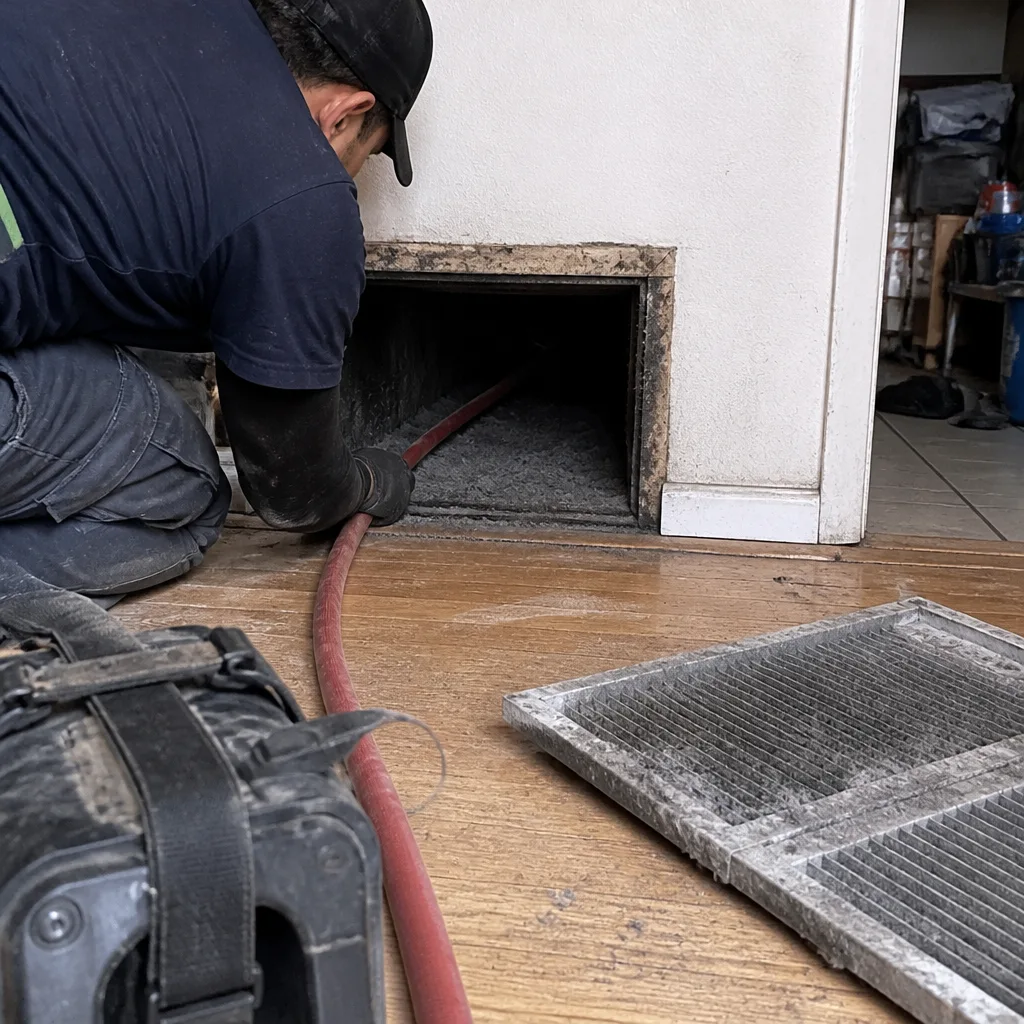 Before
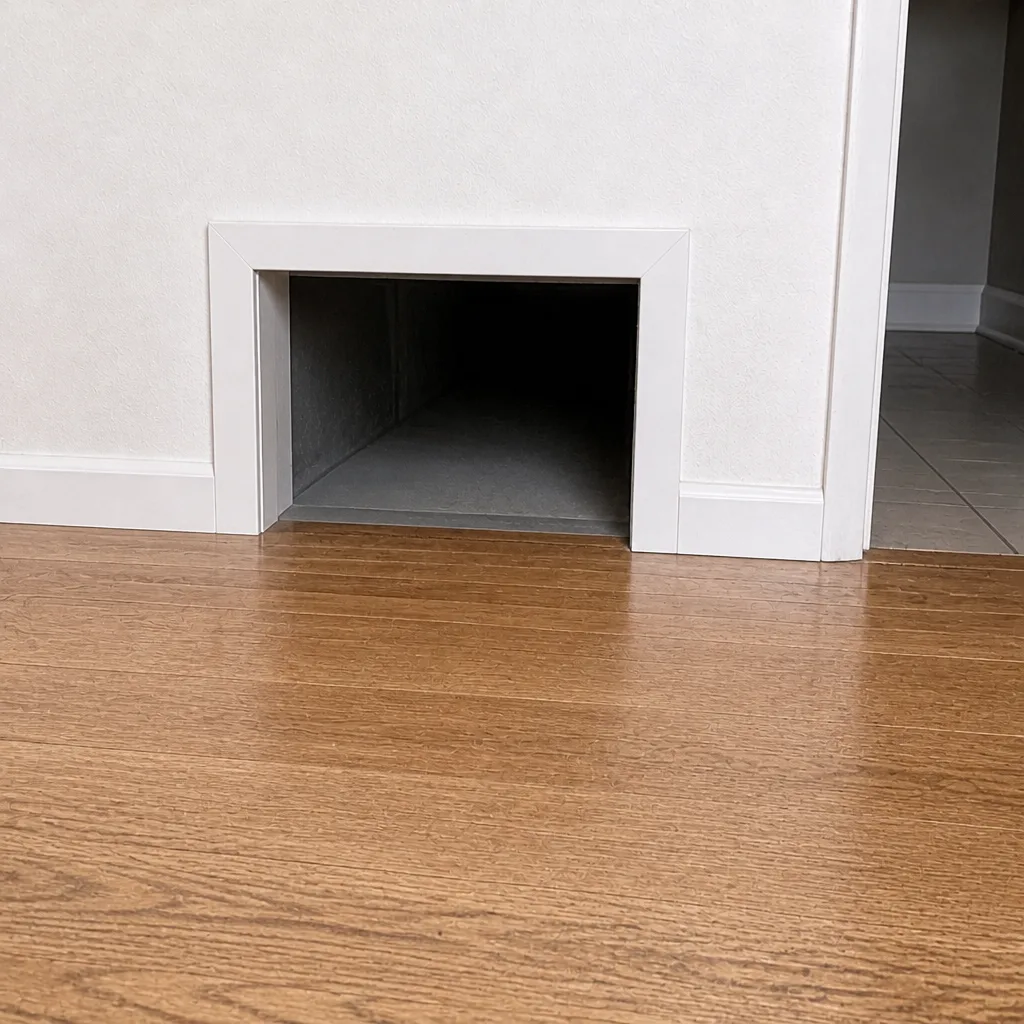 After
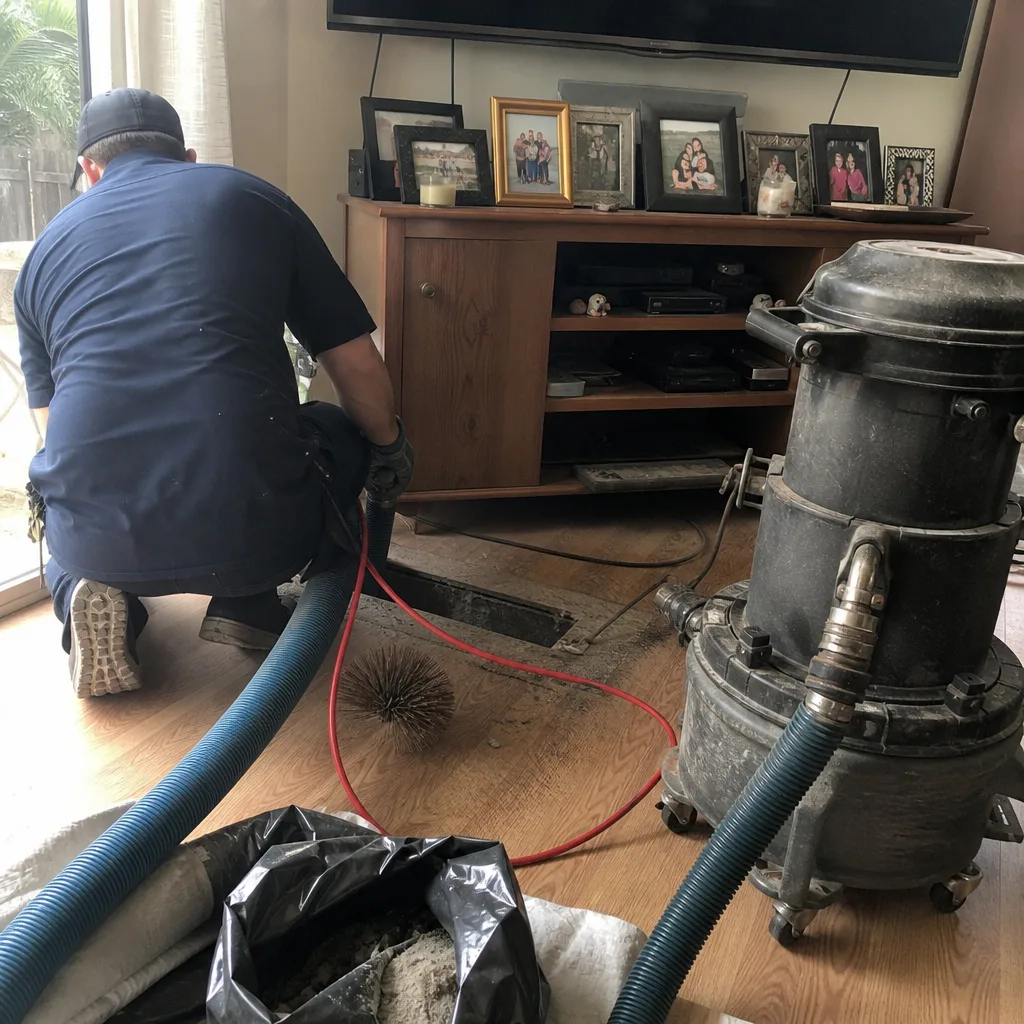 Before
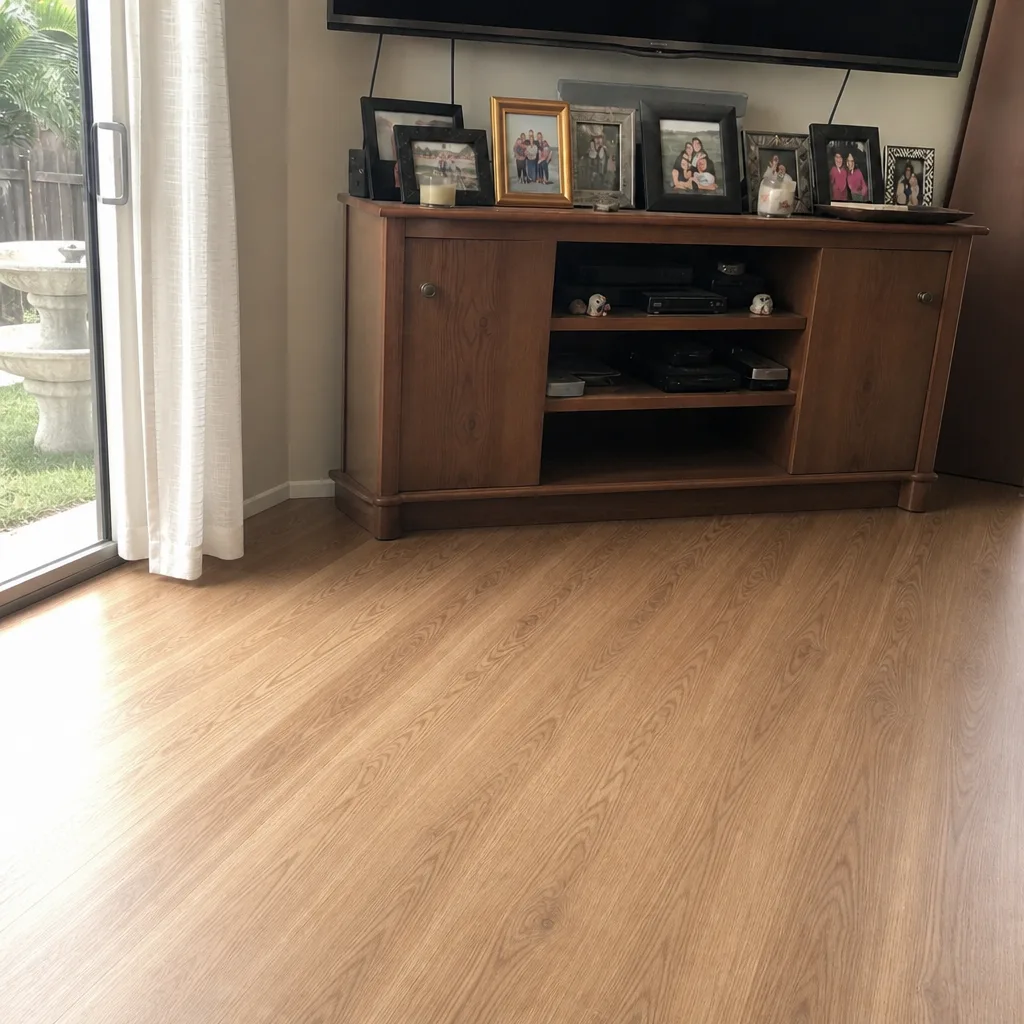 After
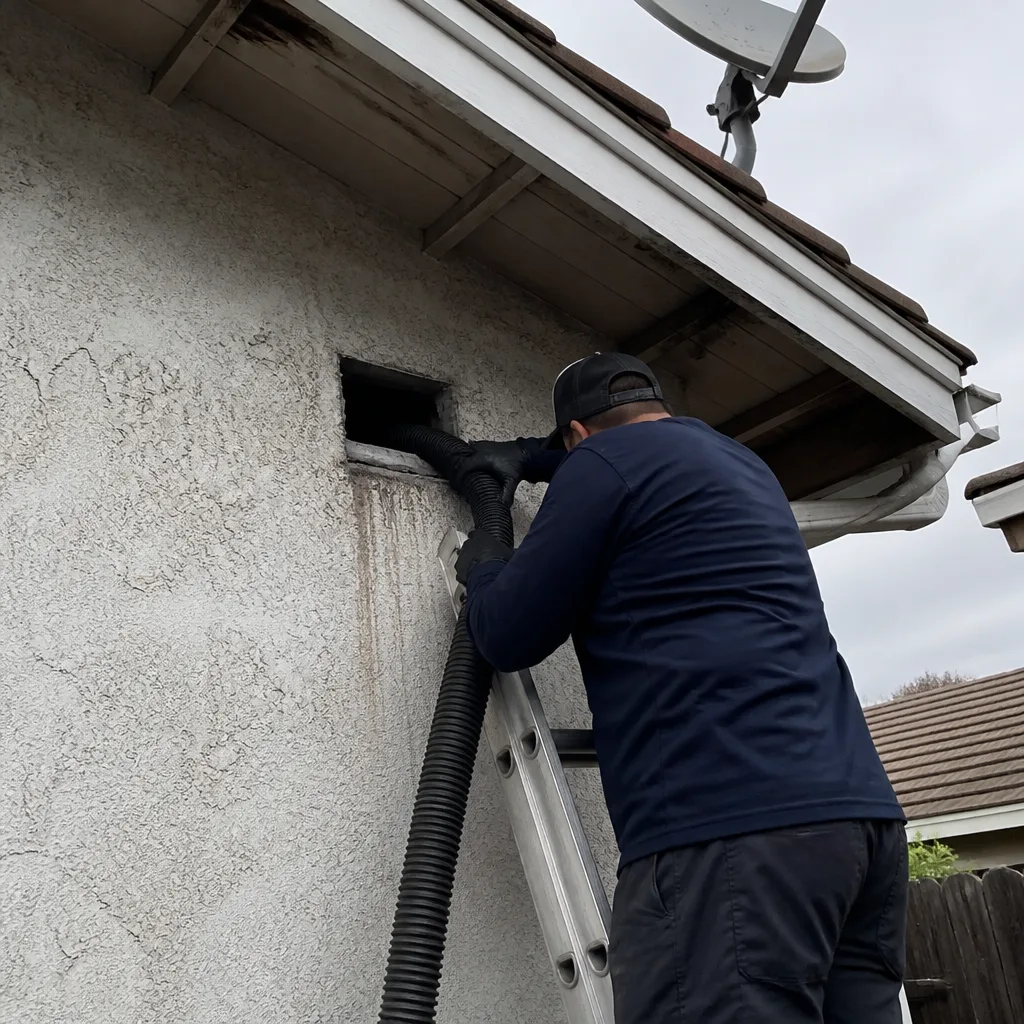 Before
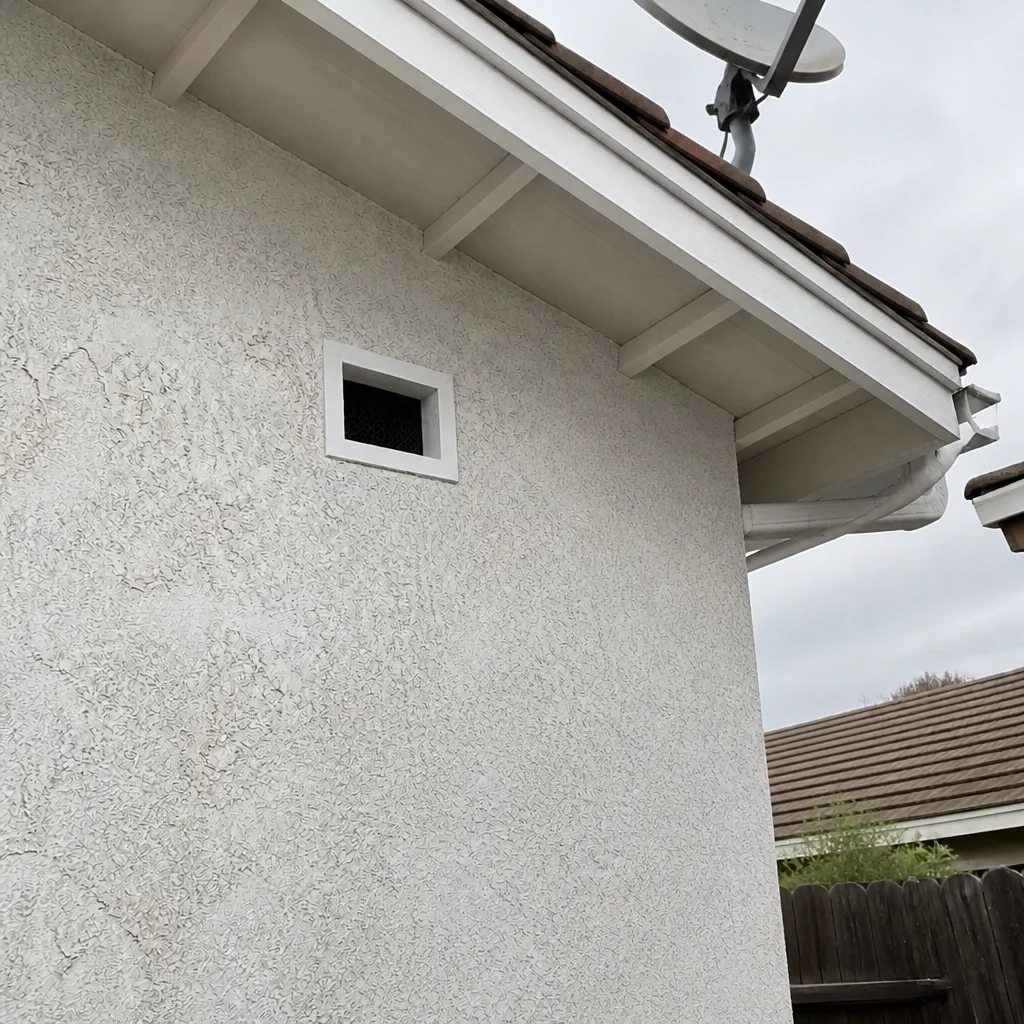 After