
Last updated November 4, 2026
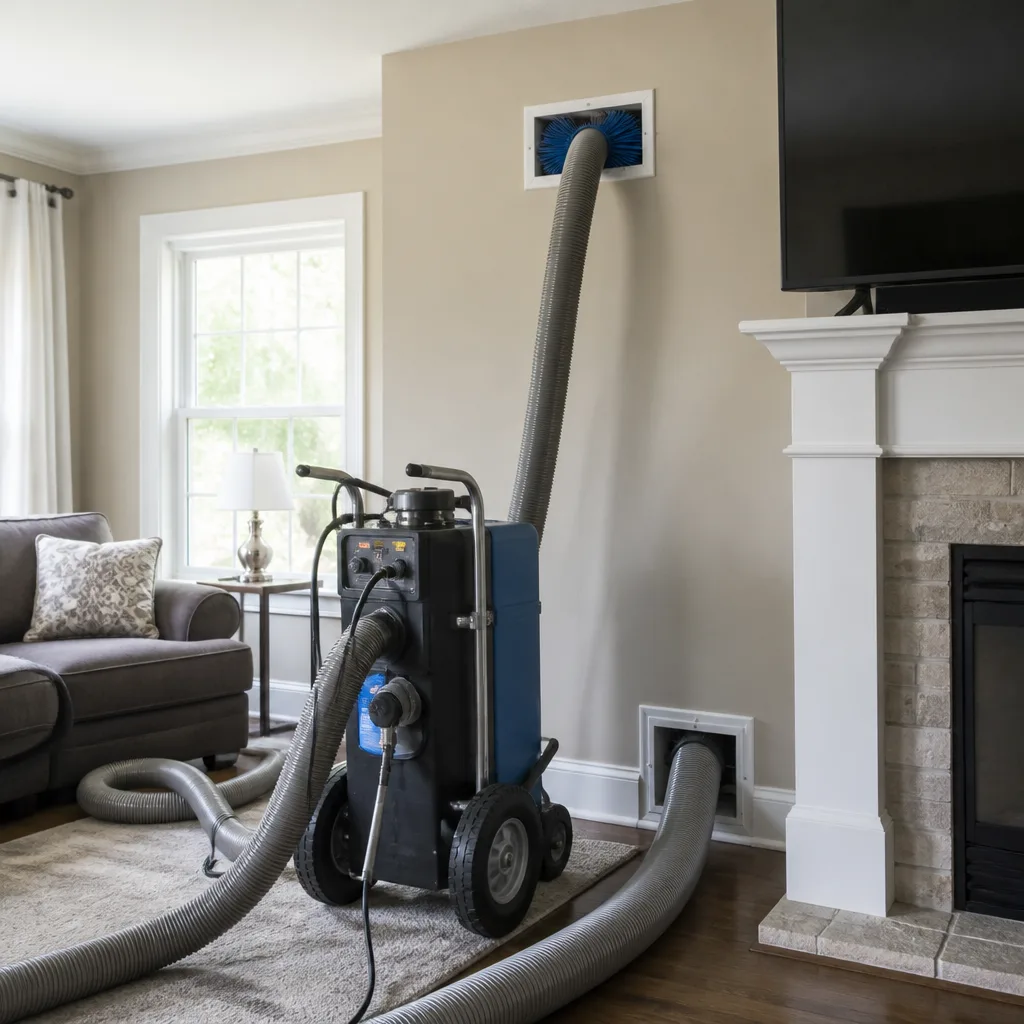 Whole-home duct cleaning
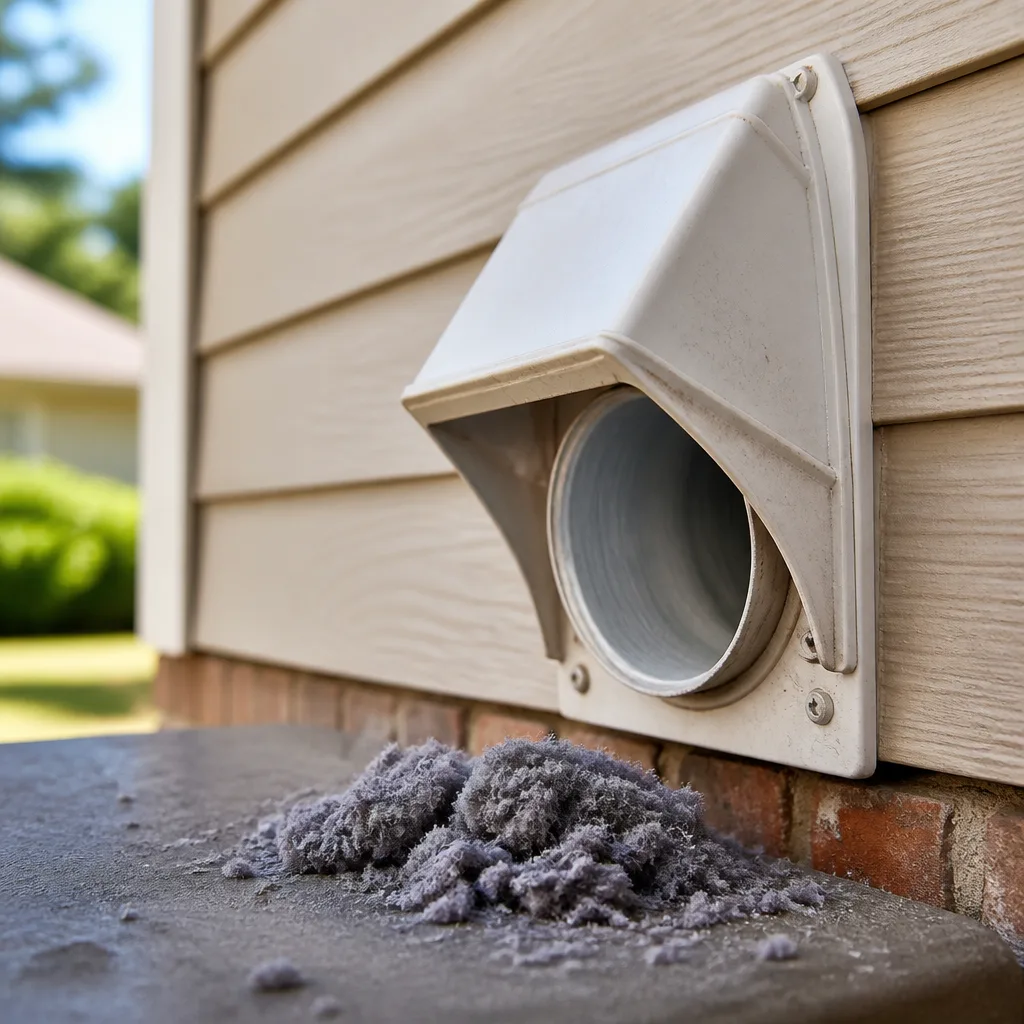 Dryer vent cleaning
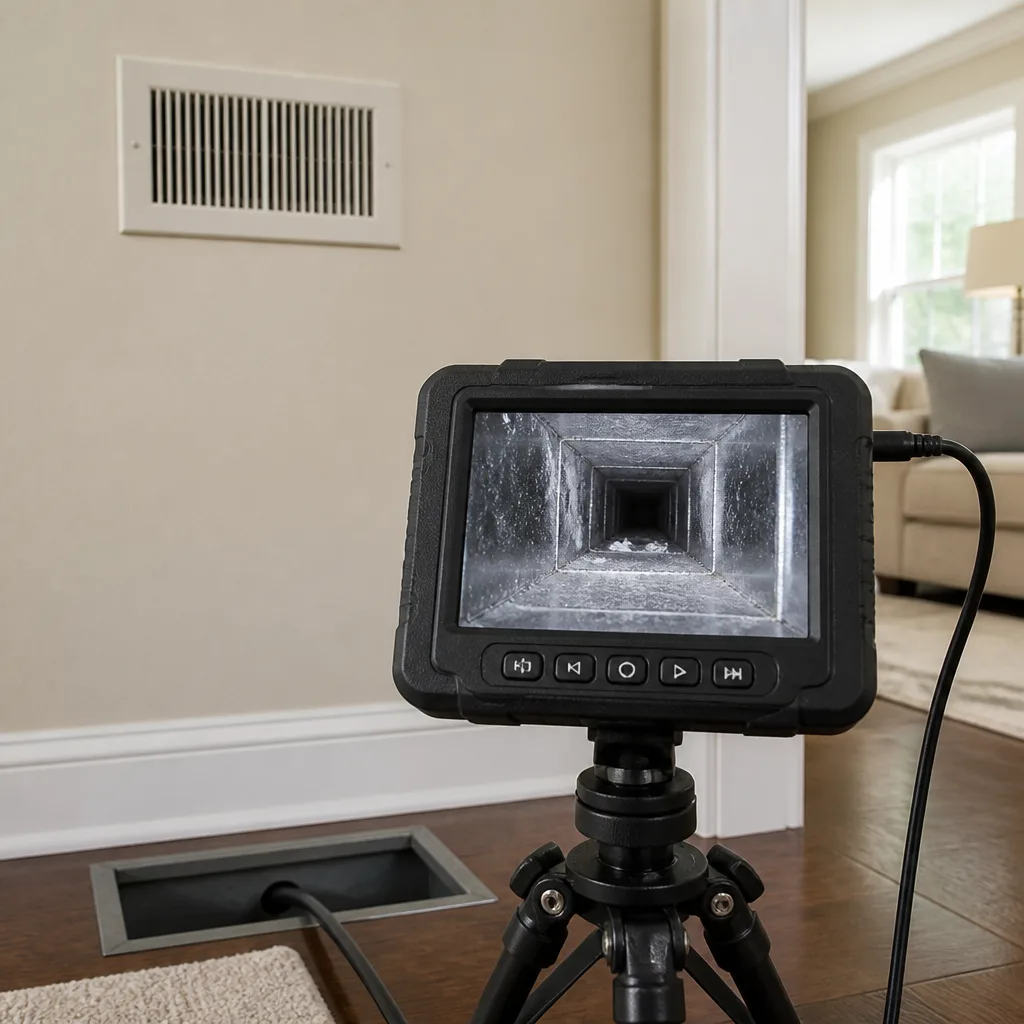 Camera inspection
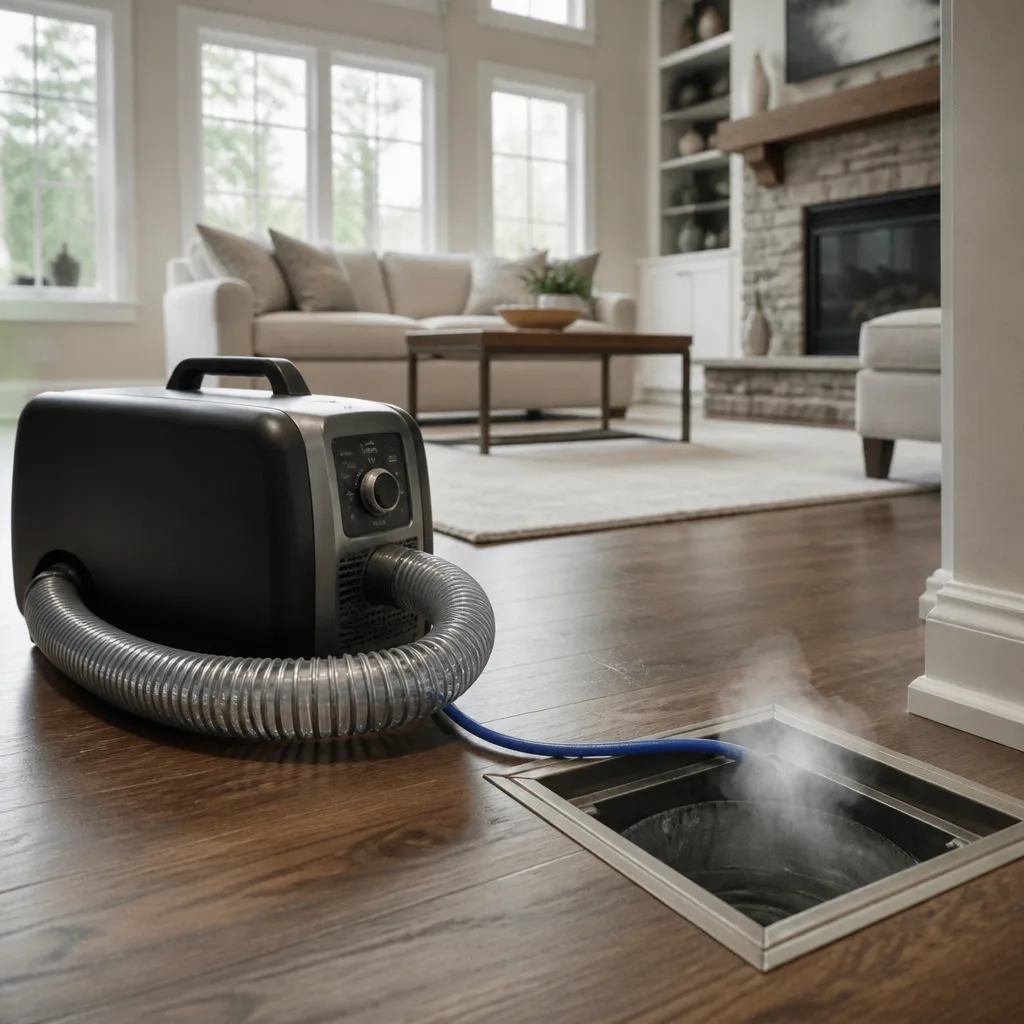 Sanitizing & deodorizing
Whole-system duct and dryer vent check with before-and-after photos - you see exactly what came out of your vents
That "$99 whole-house special" is a bait ad - the real number appears once they are in your hallway, or the "clean" is a shop-vac at the register. We photograph the inside of your ducts before and after instead.
Air Duct Cleaning Maintenance Checklist for Fountain Valley Homeowners
The filter is the most visible part of your HVAC system, but it’s also the most misleading maintenance metric. A clogged filter can mean the ductwork behind it is actually cleaner than expected, because it’s been catching everything. Or it can mean the opposite: the filter was replaced too late, and the real accumulation is already lining your return runs. Most Fountain Valley homeowners replace the filter, glance at a supply vent, and assume the rest of the system is fine. What you’ll learn here is how to spot the observable indicators between professional cleanings that tell you whether your system is actually working the way it should, without needing a technician to diagnose it.
Styles & brands we work with
- Whole-home duct cleaning
- Dryer vent cleaning
- Camera inspection
- Sanitizing & deodorizing
Quick Answer
A maintenance checklist for air ducts in Fountain Valley means checking filter condition monthly, watching return grilles for dust caking, feeling for consistent airflow at every register, and logging any musty odor or new allergy symptoms by season. If you find visible dust accumulation on return grilles, uneven airflow between rooms, or dust returning within days of cleaning surfaces, you’ve crossed from routine maintenance into professional air duct cleaning territory. Most homes benefit from a full-system cleaning every three to five years, with shorter intervals after renovations, during heavy Santa Ana wind seasons, or in homes with pets and respiratory sensitivities.
Table of Contents
- Filter Replacement Intervals for Fountain Valley’s Actual Air
- What to Look For at Return Grilles Specifically
- The Room-by-Room Airflow Consistency Check
- How to Log System Performance Seasonally
- Checklist Items That Signal It’s Time for Professional Cleaning
- Special Considerations for Santa Ana Wind Periods
- When Duct Damage Requires More Than Cleaning
- The Dryer Vent Overlap Most Checklists Miss
- Common Mistakes to Avoid
- When to Call a Professional
- Frequently Asked Questions
- The Bottom Line
Filter Replacement Intervals for Fountain Valley’s Actual Air
Fountain Valley sits in a region where air quality shifts dramatically with the seasons. The marine-influenced air keeps humidity moderate, but the real variable is particulate matter. During Santa Ana wind events, airborne dust and pollen spike sharply. During calm summer stretches, fine dust from surrounding development and vehicle traffic lingers. What this means for filter replacement is simple: a fixed 90-day schedule assumes constant conditions, and conditions here are anything but constant.
How often should you actually change your filter in Fountain Valley?
Check the filter every 30 days, regardless of the manufacturer’s printed interval. If you can see a visible gray or tan coating across the filter surface, replace it. In practice, most Fountain Valley homes need replacement every 30 to 60 days during spring and fall Santa Ana periods, and every 60 to 90 days during the milder summer and winter stretches. Homes with one or more indoor pets, homes near active construction, or households with respiratory conditions should expect to land on the shorter end of that range more often than not.
A collapsed or heavily loaded filter creates a pressure drop across the blower, which can pull unfiltered air through small gaps in the return plenum and draw dust deeper into the system. In our experience, a filter left far past its useful life is one of the most common findings when we arrive at a home where the supply registers are coating with dust faster than they should.
Filter replacement checklist
- Monthly inspection: hold the filter up to a light source. If light doesn’t pass through in a consistent pattern, replace it.
- During Santa Ana warnings: inspect weekly. The dust load can spike within days, not weeks.
- After any interior renovation: replace the filter immediately after the work is complete. Drywall dust and sanding particulate overwhelm filters quickly and force dust into the return side of the system.
- Filter type matters: Pleated filters with a MERV rating of 8 to 11 typically balance airflow and filtration for most local homes. Higher MERV ratings can restrict airflow in systems not designed for them, which causes the blower to work harder and can increase the very dust migration you’re trying to prevent. If you run a high-MERV filter, check it more often, not less.
What to Look For at Return Grilles Specifically
The supply side of your system pushes conditioned air into rooms. The return side pulls air back through the system to be conditioned again. Most homeowners glance at supply vents because those are the ones that collect visible dust on the louvers. But returns accumulate differently, and they’re usually the better early-warning indicator of what’s actually forming inside the duct runs themselves.
A return grille is a filter in its own right, just a very coarse one. Hair, lint, and larger dust particles get caught on the grille surface. Fine particulate passes through and sticks to the interior walls of the return duct. When you see a thick, felted accumulation on the return grille, that’s a sign the return-side ducts have been handling that same particulate load for months or years. The grille is what you can see. The inside of the return run is what you can’t, and it’s always worse.
How to inspect a return grille
- Turn the system fan to the “on” position at the thermostat so air is actively moving through the return.
- Place a single-ply tissue against the grille. It should hold firmly. If it barely clings or falls away, airflow is restricted, and the likely cause is accumulation either at the grille, inside the return run, or at the filter.
- Look at the grille louvers from the side, not straight on. Dust that’s invisible head-on becomes obvious when you catch the edge profile.
- Run a fingertip along the grille (with the fan off). If you feel a soft, cottony coating rather than bare metal, the return side is moving more particulate than it should.
- Repeat this at every return in the house. Returns in hallways and near bedrooms often show the heaviest accumulation because they handle the most air volume.
Return grilles are also where you’ll first notice duct board or fiberglass liner degradation. If you see small glass fibers or gray dust particles that feel slightly coarse rather than soft, that’s a material breakdown, not normal household dust. That’s a repair consideration, not just a cleaning one.
The Room-by-Room Airflow Consistency Check
Your system was designed to move a specific volume of air to each room based on its size, window exposure, and distance from the air handler. When that balance shifts, something has changed inside the system. It might be a damper that’s drifted closed, a disconnected run, a crushed flex duct, or accumulation that’s narrowing the effective diameter of a trunk line. You don’t need special tools to notice it. You need a baseline and a consistent method.
The tissue test, done properly
- Set the thermostat fan to “on” – not auto – so the blower runs continuously while you test. This removes the variable of the system cycling on and off.
- Use the same material at every register. A single-ply tissue is best; it’s light enough to respond to small airflow differences.
- Hold the tissue 6 to 8 inches from the register, not pressed against it. You want to see whether the air stream is strong enough to lift and flutter the tissue from that distance. If it only moves when you’re an inch away, that register is moving significantly less air.
- Work room by room in a consistent order. Note which registers feel strong and which feel weak. Write it down or record a quick voice memo on your phone.
- Pay special attention to rooms at the far end of the house. These are at the end of the longest duct runs, meaning they’re the first to show reduced airflow when internal resistance increases anywhere upstream.
Rooms farthest from the air handler will always feel slightly weaker than rooms directly adjacent. That’s normal system design, not a defect. What matters is change over time. A room that feels noticeably weaker this season than it did last season, with the same filter and the same damper settings, is an indicator that something in the run has changed. In Fountain Valley homes, we frequently see this in converted garages, room additions, and upstairs bedrooms that were tied into an existing system not originally sized for them.
How to Log System Performance Seasonally
A maintenance log doesn’t need to be complicated. What it needs is consistency, so that when something changes, you have a recorded baseline to compare against. Papers and notebooks get lost. A simple note on your phone, updated twice a year, is enough to create a meaningful record.
What to record each spring and fall
- Filter condition at replacement: note whether it looked lightly dusty, heavily coated, or matted. If you see two consecutive heavily-coated filters six months apart, the system is processing an unusually high particulate load.
- Airflow feel at the farthest register: rate it from 1 to 5, relative to the register nearest the air handler. Write it down, even if it seems obvious at the time. Memory smooths over gradual changes; a written number doesn’t.
- Audible changes: any new whistle, rattle, or thump when the system starts or stops. Note which room you hear it in. These sounds often indicate a loose run, a damper that’s slipping, or a blower wheel that’s accumulating dust unevenly.
- Odor observations: that musty smell may disappear the moment you notice it, then return under specific conditions. Note when you smell it and whether it’s tied to the system running or is present regardless.
- Allergy or respiratory symptoms: if anyone in the household notices sneezing, congestion, or throat irritation that improves when they leave the house, note the timing. This is one of the most common reasons Fountain Valley homeowners call us to schedule a first professional cleaning.
The point of the log isn’t to diagnose the system. It’s to capture information now that will matter later. When something changes, you’ll have a written “before” to compare against, and you’ll be able to describe the change to a technician in specific terms rather than a vague sense that “it seems different.”
Checklist Items That Signal It’s Time for Professional Cleaning
Maintenance keeps the system running day to day. But there’s a line where maintenance stops being sufficient and the system needs professional equipment to restore proper airflow and indoor air quality. Here’s the checklist that separates those two conditions.
You’ve crossed into professional cleaning territory if you find any of these
- Dust returns to surfaces within 2 to 3 days of cleaning: this indicates the system is actively distributing particulate, not just passively holding it. The source is inside the ductwork.
- You can see dust accumulation on the interior of supply vents: looking into the vent with a flashlight, you see a gray or tan coating on the inside surfaces that a quick wipe can’t reach. That’s buildup inside the run itself, not just surface dust on the louver.
- The return grille carries a visible dust felt: not just a light coating, but a soft, fibrous layer that you can feel with a fingertip. This means the return side has been handling a high particulate load for a significant period.
- Airflow at any register is noticeably weaker than it was a year ago: assuming the filter is fresh and dampers are in their normal positions. The restriction is inside the ductwork.
- A musty or stale odor comes from the vents when the system runs: this isn’t necessarily mold. It can be accumulated dust, skin cells, pet dander, and moisture that’s been sitting in the system. But it shouldn’t be ignored, and it won’t resolve with a filter change.
- You’ve completed a renovation without sealing off the vents: drywall dust and construction particulate are now inside the system, and they’ll cycle through the house for months unless physically removed by professional cleaning.
Fountain Valley homes built in the 1960s and 1970s, which make up a significant portion of the local housing stock, often have original metal ducts with interior surfaces that have been accumulating for decades. If your home has never had the ducts professionally cleaned and you meet two or more of the items above, the conversation has shifted from “should we clean them” to “when.”
Special Considerations for Santa Ana Wind Periods
Santa Ana winds are the single largest seasonal air quality variable for Fountain Valley homeowners. These winds blow from the inland deserts toward the coast, carrying fine dust, pollen, and particulate matter across the region. They typically occur between September and April, with the strongest events in fall and winter. During these periods, the amount of airborne particulate entering your home mechanically, through doors and windows and through the HVAC system’s fresh-air intake if you have one, increases sharply.
What this means for duct maintenance is that the system sees a surge in particulate load over a period of days, not months. A filter that was adequate in August can be fully loaded within two weeks of a sustained Santa Ana pattern. The dust that makes it past the filter, especially the fine particulate that pleated filters capture less effectively, follows the air stream into the supply side of the ductwork. Over repeated Santa Ana seasons, this creates a layered accumulation that’s characteristic of homes in this region: fine, very light dust that coats the top and sides of duct runs rather than forming heavy deposits at the bottom.
If you run your fan continuously during Santa Ana events to keep indoor air moving through the filter, understand the tradeoff: you’ll filter more air, but you’ll also load the filter faster and pull more air through whatever gaps exist in the return side. The best practice is to inspect the filter weekly during active Santa Ana warnings and to schedule professional cleaning in the months following a particularly heavy Santa Ana season if you’ve never had the system cleaned.
When Duct Damage Requires More Than Cleaning
Cleaning restores the interior surface of your ducts to a clean condition. It doesn’t fix a duct that’s disconnected, crushed, torn, or otherwise damaged. Homes in Fountain Valley, like everywhere else in Southern California, have their share of both, and the distinction matters for your maintenance checklist because a damaged run has different symptoms than a dirty one.
A disconnected return run pulls attic air directly into the system, which typically shows up as a sudden increase in dust accumulation on surfaces near the return, or air that smells like the attic: hot, dusty, sometimes faintly of insulation. A crushed flex duct, usually from someone walking through an attic or from a poorly supported run that’s sagged over years, restricts airflow to a specific room or zone. It feels like a very dirty duct, but cleaning won’t restore the airflow because the problem is physical, not particulate.
This is why Wellington Air Duct Cleaning offers air duct repair as a core service alongside cleaning. A system that’s been cleaned but still has a disconnected run will continue to pull unfiltered air, and a system with a crushed run will continue to starve the room it serves. The maintenance checklist should include one more item: if airflow at a specific register doesn’t improve after a professional cleaning, or if the system suddenly develops a new smell or sound, suspect damage, not dirt, and ask for an inspection that includes the duct runs themselves, not just the cleaning.
The Dryer Vent Overlap Most Checklists Miss
Your clothes dryer moves air too, and its vent is part of the same general category of “things that carry air out of your home.” Most air duct maintenance checklists ignore the dryer vent entirely, as if it were a separate category. But a clogged dryer vent is a documented residential fire hazard, and in Fountain Valley homes where the laundry area is inside the conditioned space, a leaking or blocked dryer vent can also add lint, moisture, and heat into the house, all of which affect the air your HVAC system then processes.
A dryer vent should be professionally cleaned when you notice the dryer taking longer than normal to dry a load, when the exterior vent flap barely opens during operation, or when the dryer itself feels unusually hot to the touch on its exterior. If you haven’t had the dryer vent cleaning done in the last year or two, and you’re already having the air ducts cleaned, schedule both. The two systems are physically separate, but they both move air and they both accumulate lint, dust, and particulate in ways that reduce efficiency and create hazards.
Common Mistakes to Avoid
- Using the filter as the only maintenance indicator: A clean filter doesn’t mean clean ducts. The filter sits at one point in the system. Everything upstream and downstream of it is invisible to the filter itself. Most Fountain Valley homes with heavily soiled ducts have a fresh filter in place at the time of the cleaning.
- Replacing the filter on a strict three-month schedule without inspecting it monthly: Fountain Valley’s particulate load is seasonal. In a mild stretch, three months might be fine. During and after Santa Ana periods, three months can be far too long. Inspect monthly and replace as needed.
- Assuming weak airflow means the system is dirty: Weak airflow at a single register is often a disconnected, crushed, or kinked flex run, not dust accumulation. A professional inspection can tell the difference. Cleaning won’t fix a crushed duct.
- Ignoring the return side entirely: Supply vents get the attention because they show dust. Returns handle more air volume and often show the first signs of internal accumulation. If you only inspect supply vents, you’re missing the earlier warning.
- Waiting for a symptom to appear before scheduling cleaning: By the time you notice dust returning quickly, musty odors, or reduced airflow, the system has been building toward that condition for a long time. Scheduling professional cleaning on a regular interval, typically every 3 to 5 years for most Fountain Valley homes, catches accumulation before it produces symptoms.
- Running a high-MERV filter in a system not designed for it: High-MERV filters can improve filtration, but they also increase static pressure. In systems not designed for them, this reduces airflow and can create the same symptoms as dirty ducts. If you upgrade your filter, verify your system can handle it.
- Sealing every vent in unused rooms to “save energy”: Closing too many registers increases pressure in the trunk line, which can force air through small gaps and actually pull more particulate into the system. Your system was balanced for the original register configuration.
When to Call a Professional
You’ve found dust on return grilles that reads more like felt than dust. Airflow at your farthest register has dropped over the past year. Surfaces in the house need dusting every few days. Anyone in the home has new or worsening allergy symptoms that improve away from the house. There’s a musty smell from the vents when the system runs. You’ve completed any kind of renovation or construction without sealing the vents. Any one of these is a reasonable reason to schedule an inspection. Two or more, and it’s time to get the system looked at. Wellington Air Duct Cleaning offers free estimates in Fountain Valley – call (877) 358-4557. We answer 24/7. Fast dispatch from 7am to 7pm, Sunday through Friday.
Frequently Asked Questions
Most Fountain Valley homes benefit from professional air duct cleaning every three to five years. Homes with pets, homes where residents smoke or vape indoors, homes that have undergone renovation, and homes with residents who have respiratory conditions typically land on the shorter end of that range. Homes in areas with heavy Santa Ana wind exposure may also need shorter intervals because of the seasonal particulate surges.
Look at return grilles for a felted dust layer, check whether dust reappears on surfaces within days of cleaning, feel for weak airflow at distant registers, and pay attention to any musty odor when the system runs. These are the observable indicators most homeowners can identify without special tools. Call (877) 358-4557 for a free estimate if you’re seeing two or more of them.
In many homes, yes, especially when the system has significant accumulated dust, pet dander, and pollen that cycles through the house every time the blower runs. Professional cleaning removes that reservoir of particulate from the system. The effect varies by home and by the specific allergens involved, but homeowners in Fountain Valley frequently report noticeable improvement after a first cleaning on a heavily loaded system.
Air duct cleaning addresses the supply and return runs that carry conditioned air through your home. Dryer vent cleaning addresses the separate duct that carries hot, moist air and lint from your dryer to the exterior. They are different systems and need different treatment. Wellington offers both, plus air duct repair, covering the full scope of what moves air in your home.
Cost depends on the number of systems, the number of supply and return points, the length and accessibility of the duct runs, and the degree of accumulation. The estimate is free, and the written estimate sets the final price. Call (877) 358-4557 to schedule an estimate in Fountain Valley. We answer 24/7. Fast dispatch from 7am to 7pm, Sunday through Friday.
A household vacuum cannot reach the full interior surface of your duct runs. The equipment used by professional duct cleaning firms, including Rotobrush and Nikro systems we use, is designed specifically for this work and reaches the full length of the run with agitation and negative air. Without that reach, DIY cleaning dislodges dust from the first few feet of accessible duct without removing the rest, which can actually redistribute particulate more than remove it.
The Bottom Line
Air duct maintenance in Fountain Valley is about reading the indicators your system gives you between professional cleanings. The filter is necessary but not sufficient. Return grilles carry earlier warning signs than supply vents. Airflow consistency, measured seasonally with nothing more than a tissue and a little attention, gives you a baseline to catch slow changes before they become symptoms. And when the indicators cross from maintenance into cleaning territory, the right call is a professional with the equipment, experience, and single-niche focus to do the job properly. Wellington Air Duct Cleaning is built around the brands already in your home – Honeywell, Aprilaire, Abatement Technologies, Guardsman – and we only do this. Clean, repair, and protect. That’s the whole checklist, condensed.
Written by the team at Wellington Air Duct Cleaning, serving Fountain Valley since 2013.
See the difference
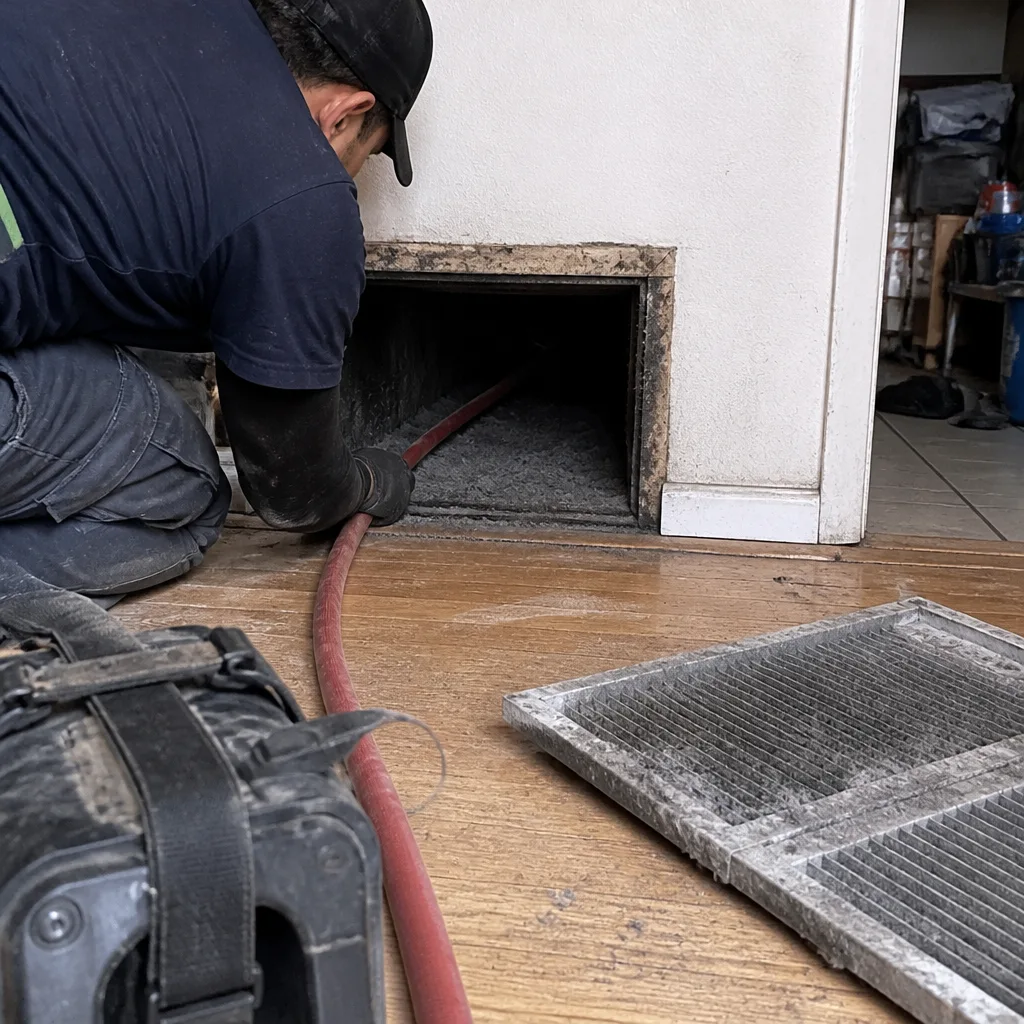 Before
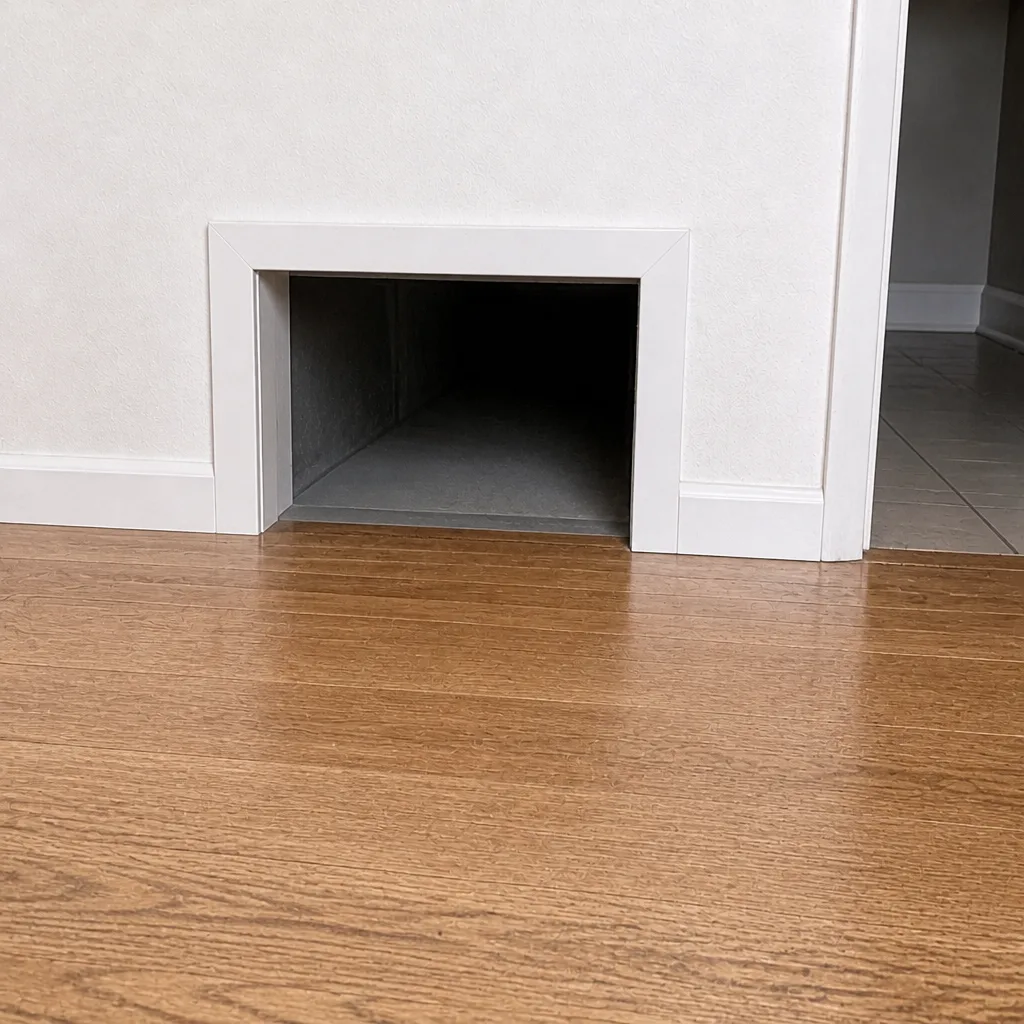 After
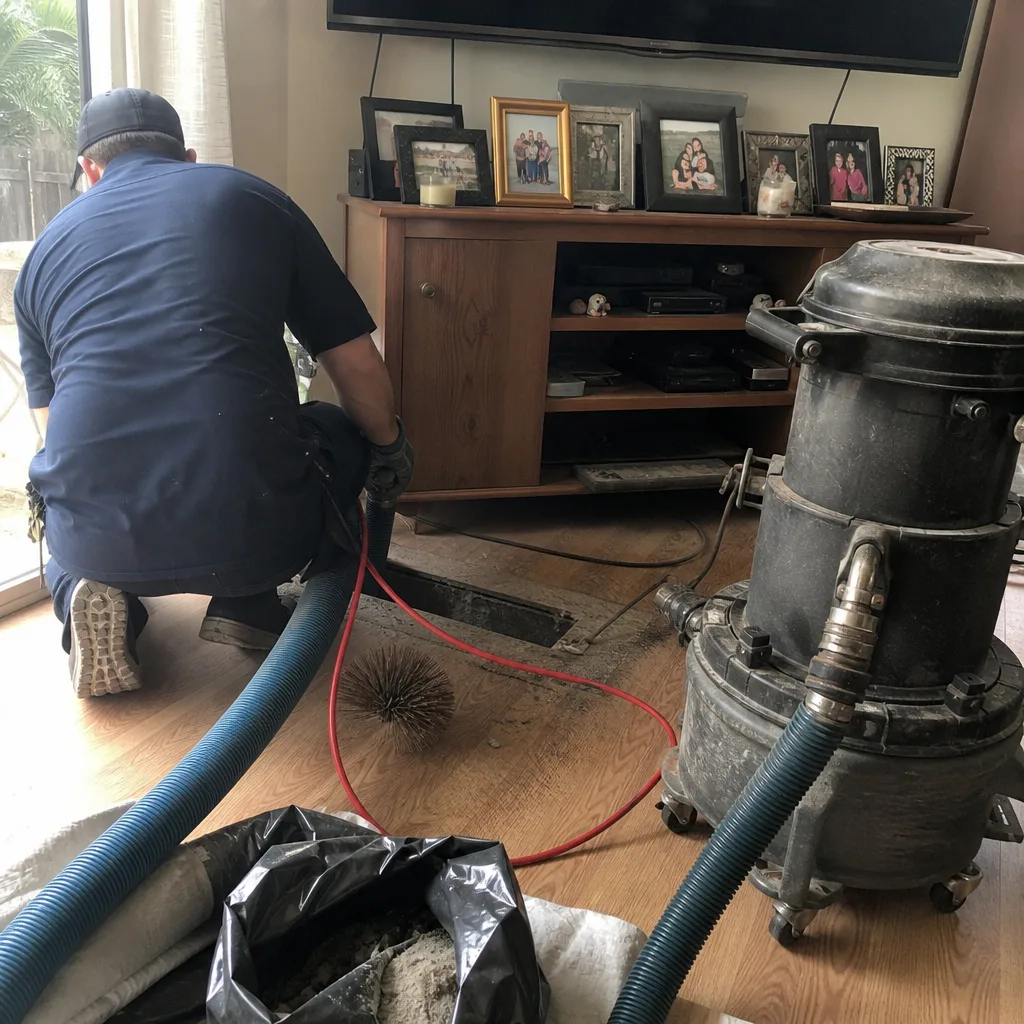 Before
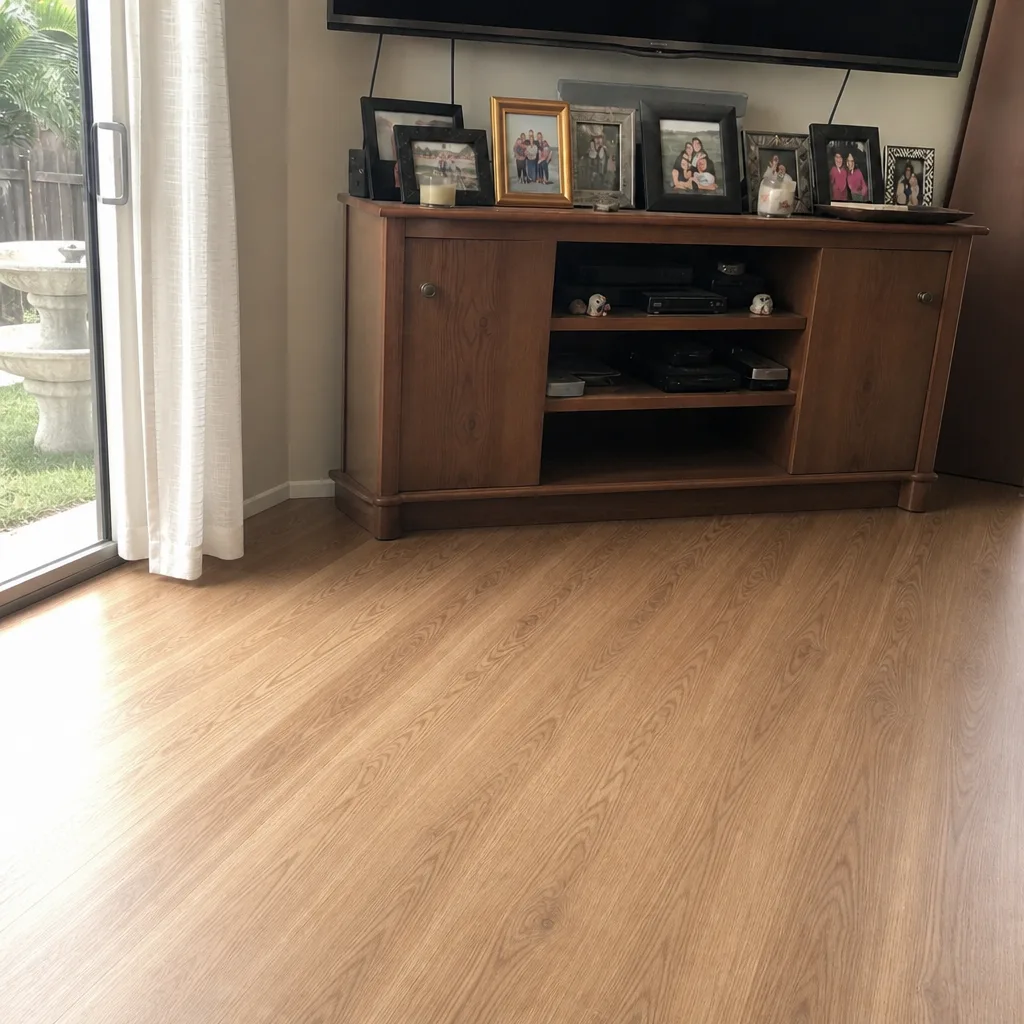 After
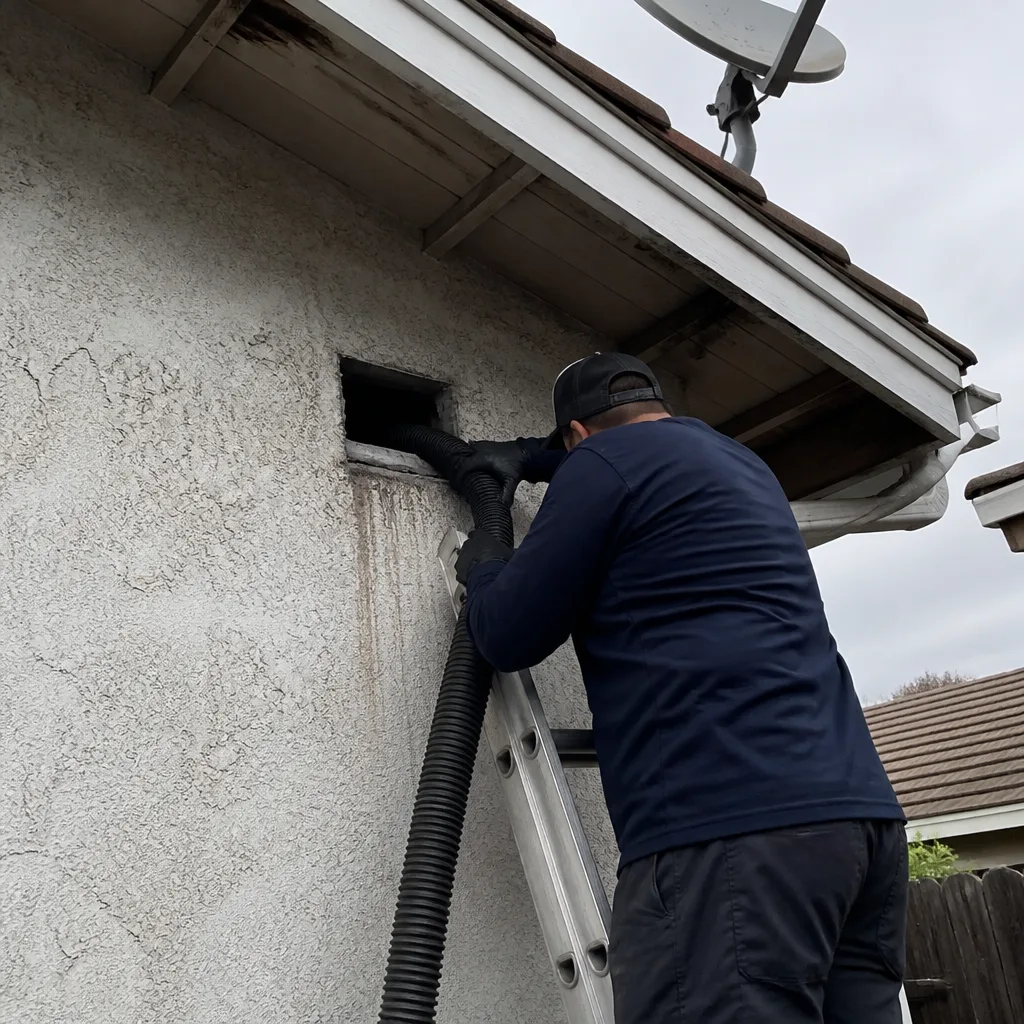 Before
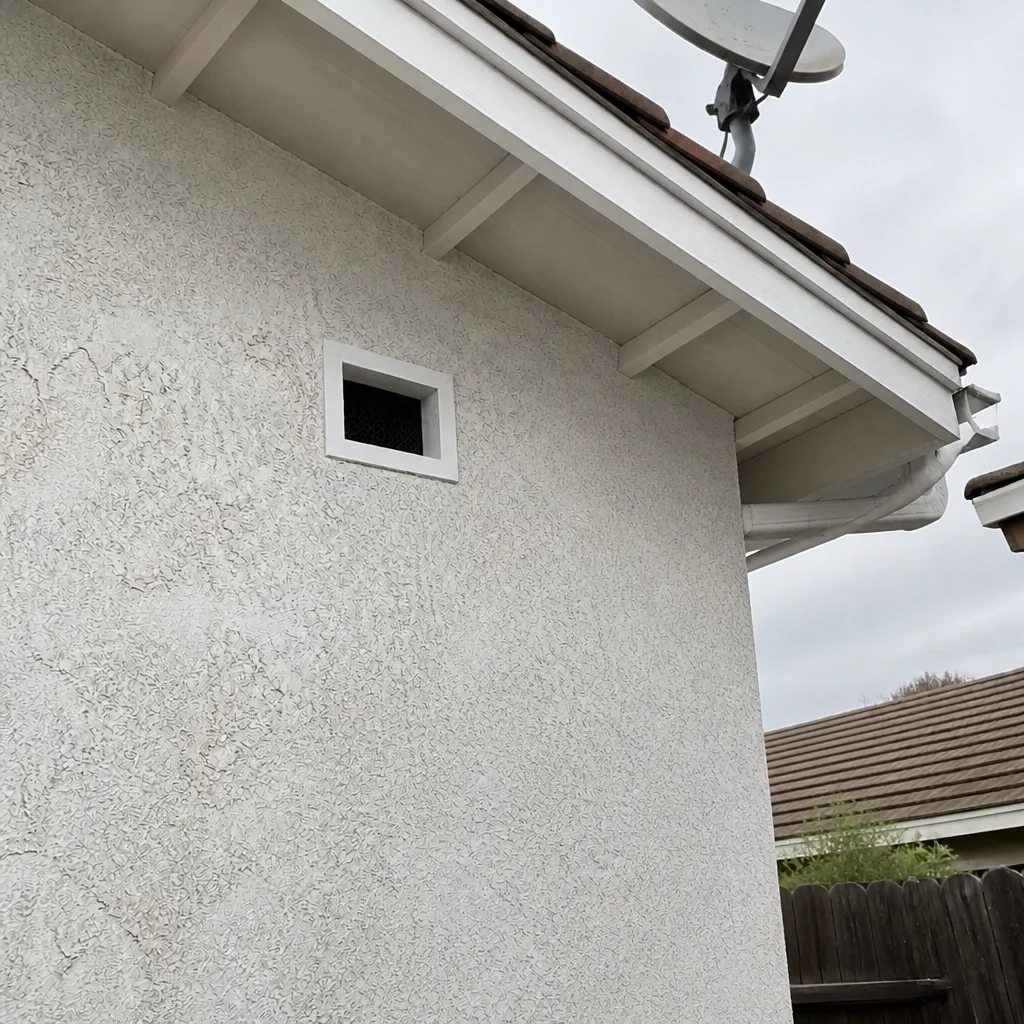 After