
Last updated November 4, 2026
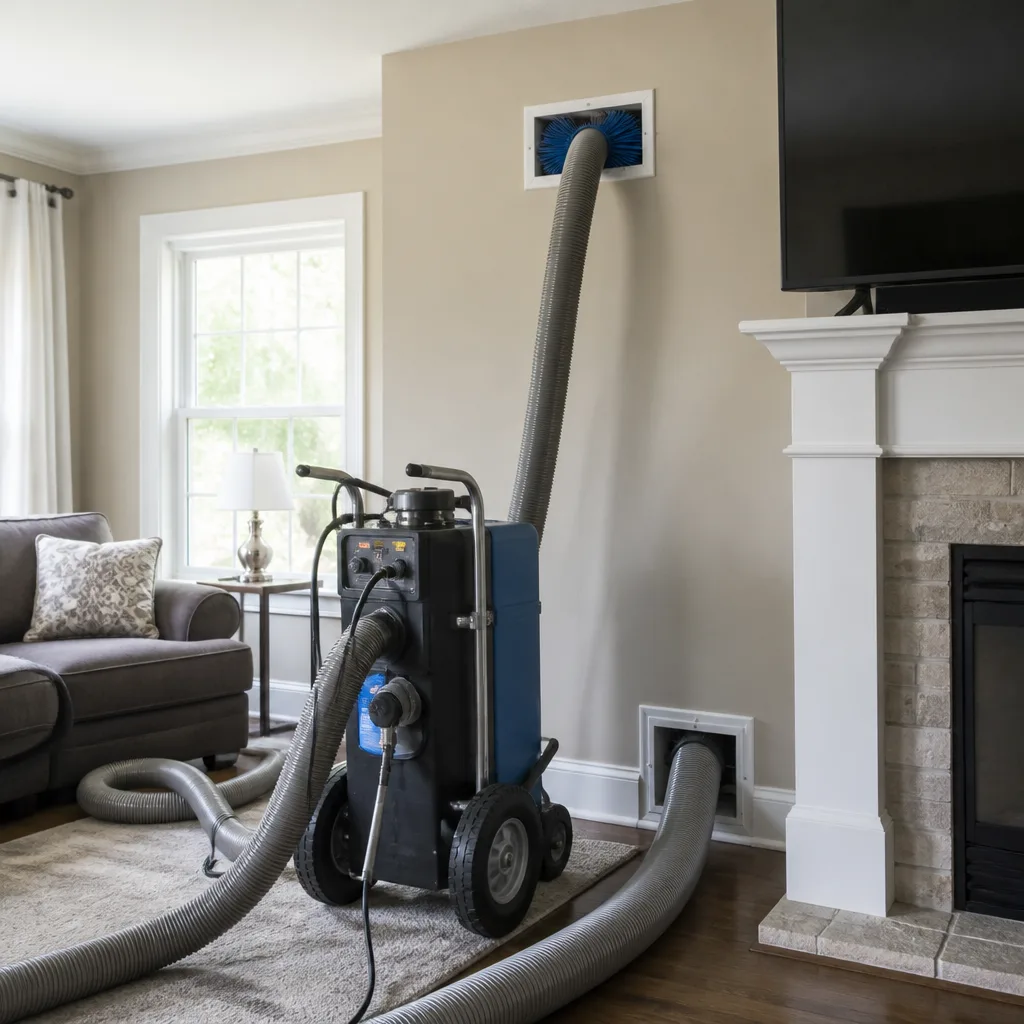 Whole-home duct cleaning
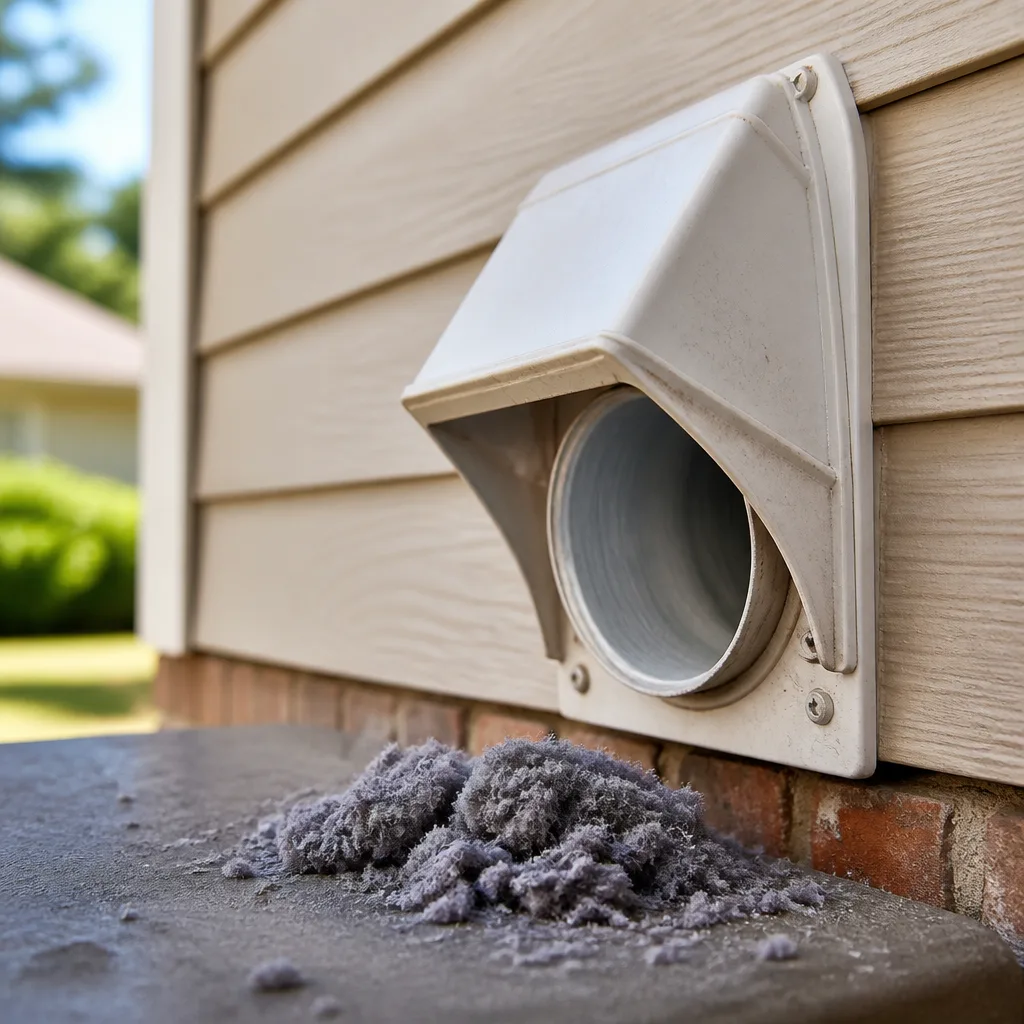 Dryer vent cleaning
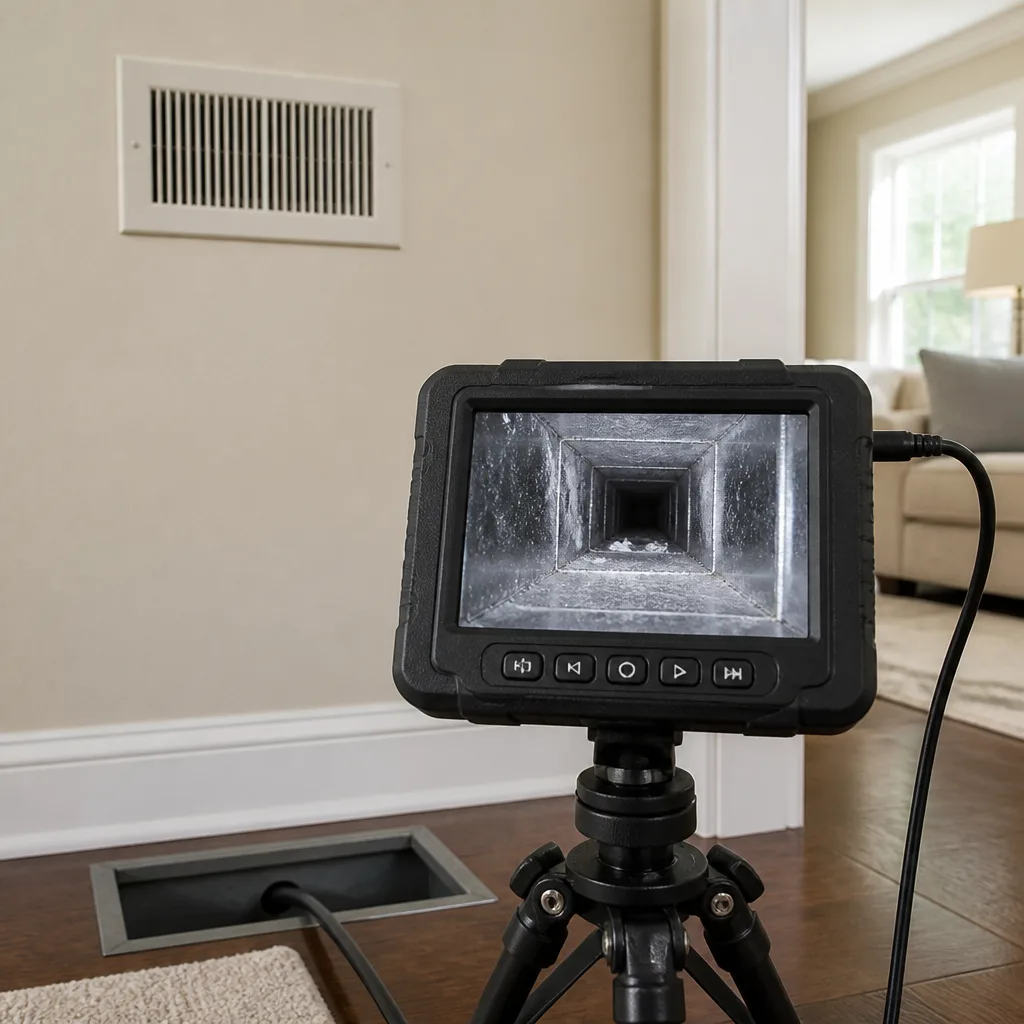 Camera inspection
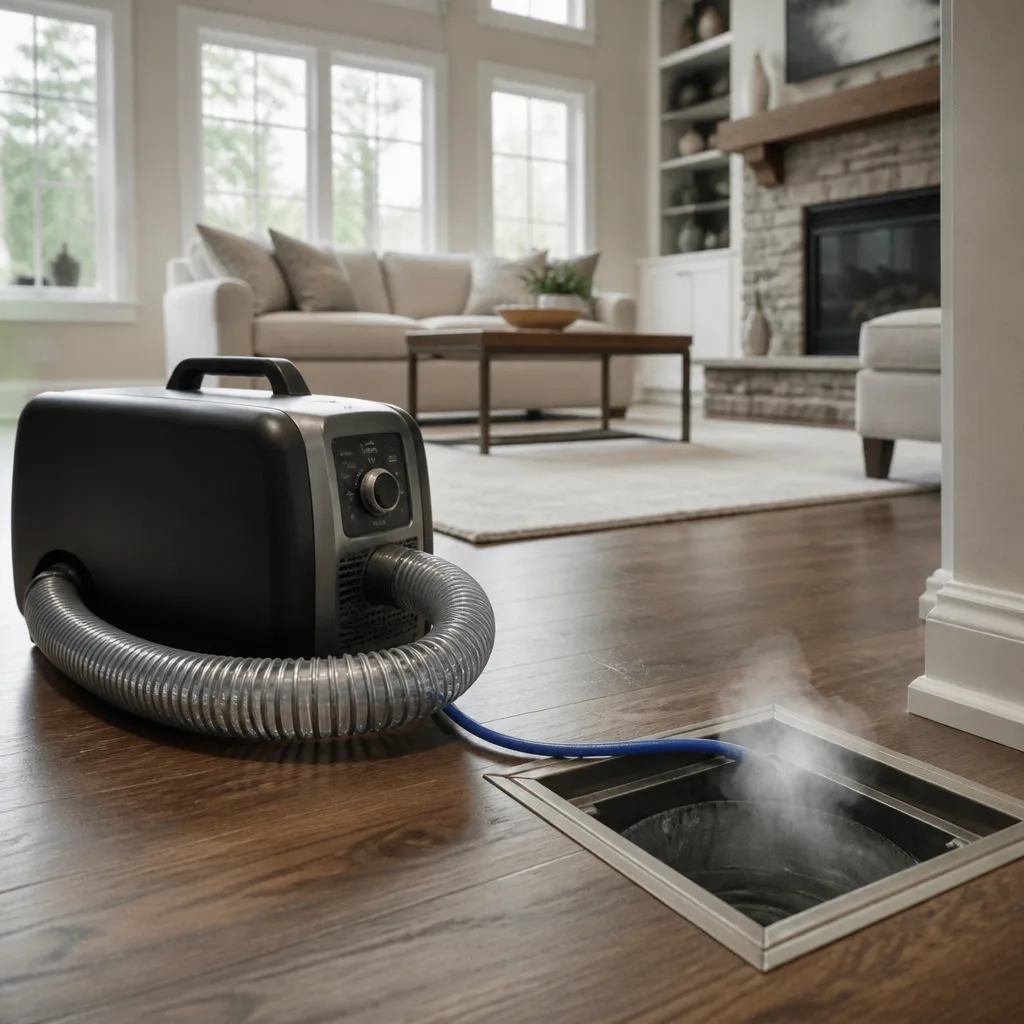 Sanitizing & deodorizing
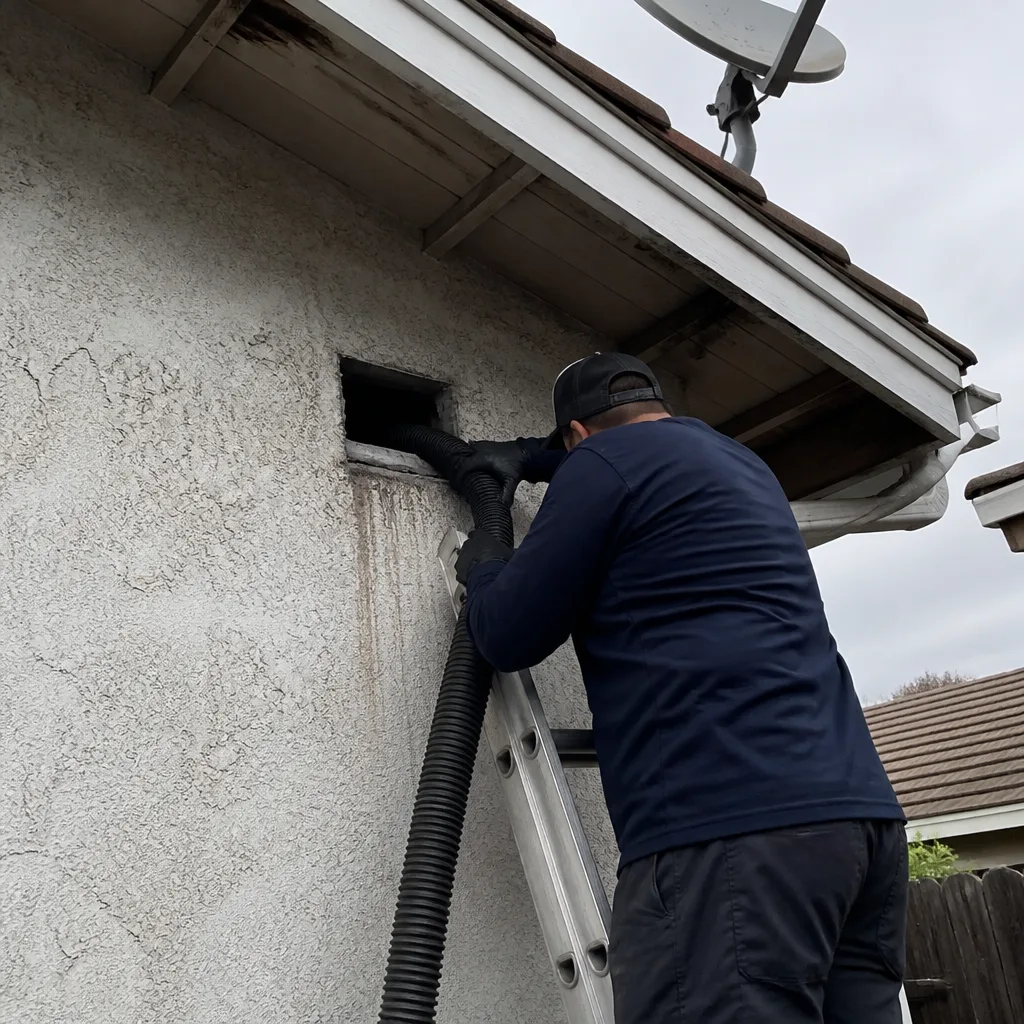
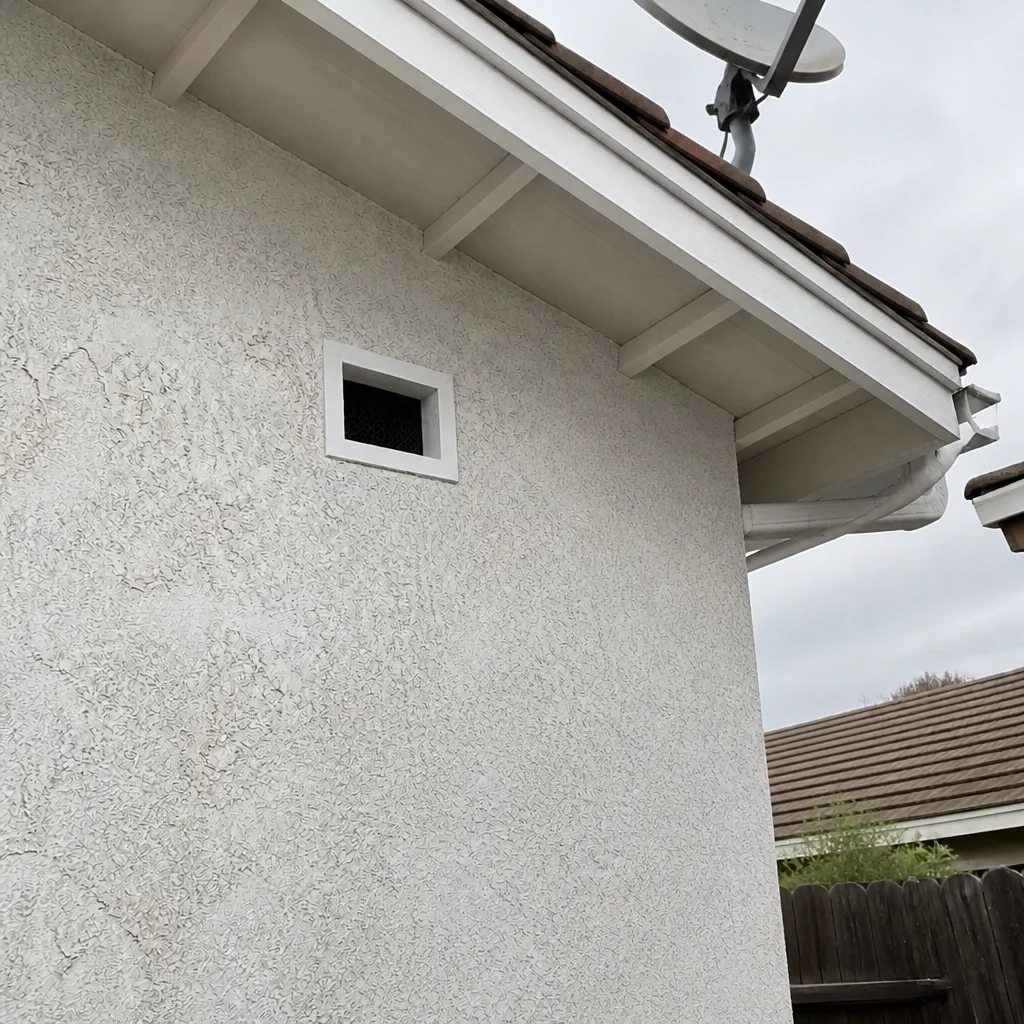
Whole-system duct and dryer vent check with before-and-after photos - you see exactly what came out of your vents
That "$99 whole-house special" is a bait ad - the real number appears once they are in your hallway, or the "clean" is a shop-vac at the register. We photograph the inside of your ducts before and after instead.
Air Duct Cleaning Maintenance Schedule: What to Do and When
Ask five different homeowners in Fountain Valley how often you should clean your air ducts and you’ll likely get five different answers. Some will repeat the generic industry line about every three to five years. Others will admit they have never thought about it until a musty smell or an allergy flare-up forced the issue. What almost no one tells you is that the calendar is the least useful tool for building a maintenance schedule. A home with two shedding dogs and an air conditioner that runs nine months out of the year accumulates particulate load at a rate that makes a five-year interval a respiratory liability. The same schedule applied to a single-occupant condo with no pets and modest HVAC use is simply wasteful. This guide explains how to build a timeline that reflects the actual contamination rate of your system, using the specific variables present in your home and the climate of Fountain Valley, rather than an industry average designed to fit everyone and no one.
Styles & brands we work with
- Whole-home duct cleaning
- Dryer vent cleaning
- Camera inspection
- Sanitizing & deodorizing
Quick Answer
Most Fountain Valley homes need a professional air duct cleaning every 2 to 4 years, but the correct interval depends on four variables: pet load, occupant count and allergy history, recent renovation activity, and how many hours your HVAC system actually runs. Homes with multiple pets, recent remodeling, or occupants with respiratory conditions often justify an 18-to-24-month cycle, while a clean, pet-free household with light system use may safely stretch to five years. The most useful scheduling rule is to have a professional assessment after any major renovation, water intrusion, or noticeable change in system performance, rather than waiting for an arbitrary date on the calendar.
Table of Contents
- Why the Calendar Rule Fails
- The Four Variables That Actually Drive Your Schedule
- Why Fountain Valley’s Climate Changes the Timing
- What to Check Between Professional Cleanings
- Post-Event Triggers That Override Any Schedule
- How to Track System History So the Next Technician Has Real Data
- Common Mistakes to Avoid
- When to Call a Professional
- Frequently Asked Questions
- The Bottom Line
Why the Calendar Rule Fails
The “every three to five years” guidance you see repeated across the internet is not wrong so much as it is incomplete. It assumes an average American home with average dust loading, average filtration, and average HVAC usage. But what does average mean in Fountain Valley, where air conditioning is not a seasonal luxury but a nine-month baseline? What does it mean for a household with three dogs and a cat, or for a homeowner who just gutted a kitchen down to the studs? The answer is that average does not exist in any single home. It is a statistical artifact, and building a maintenance plan around it means accepting a schedule that is either late or early almost by definition.
What we have observed in our own work is that contamination rate is driven by inputs, not by time. Dust, pet dander, skin cells, cooking particulate, and outdoor pollutants enter the return-air stream at a rate determined by how many sources exist in your home and how often your blower motor is moving air through the system. A home in Fountain Valley that runs its AC for 3,000 hours a year processes dramatically more air and deposits dramatically more particulate than the same home would in a cooler climate. The calendar did not change; the workload did. A useful schedule therefore has to measure workload, not seasons.
Think of it like oil changes. No serious mechanic tells you to change oil every twelve months regardless of miles driven. The interval is based on usage and operating conditions. Your duct system deserves the same logic. When you treat it that way, you stop asking how long it has been and start asking how hard it has been working.
The Four Variables That Actually Drive Your Schedule
There are four primary inputs that determine how quickly a duct system loads with particulate. Each one acts as a multiplier on the base rate of dust accumulation. Understanding them will let you build a maintenance interval that reflects your actual household, not a national average.
1. Pet Load
Pets are the single most aggressive variable in any residential duct system. A medium-sized dog sheds continuously, and the dander, hair, and skin oils released into the indoor air are drawn into the return grille every time the blower runs. In our experience, a Fountain Valley home with two indoor dogs accumulates the same duct load in roughly eighteen months that a pet-free home reaches in five to six years. The reason is mechanical: pet dander is lighter than most household dust, so it stays suspended in the air column longer and has more opportunities to be pulled into the return side of the system. Cats add a second dimension, since their dander is even smaller and more respirable than dog dander. If your home has pets, your baseline cleaning interval should be shorter. Two or more pets, or any pet with a heavy shedding coat, pushes the realistic interval toward the two-year mark.
2. Occupant Count and Allergy History
Every human occupant is also a source of particulate. Skin cells, hair, clothing fibers, and the dust carried in on shoes all enter the air column and end up in the ductwork. A four-person household simply produces more of this material than a single occupant. The load scales with the number of people, their activity levels, and how much time they spend indoors. Allergy history matters here as well, because it changes the tolerance threshold. A household where someone has asthma or chronic rhinitis cannot wait until the duct system is visibly dirty before acting. The relevant question is not how much particulate the system holds but how much of it is being distributed into the breathing space each time the blower cycles. If anyone in the home has a respiratory condition, the schedule should be built around symptom management, not visible contamination, and that typically means shorter intervals even in otherwise clean homes.
3. HVAC Run-Time
Your air handler is the engine that moves particulate from your living space into the ductwork. The more hours it runs, the more material it transports. In Fountain Valley, where daytime temperatures regularly push into the 80s and 90s from late spring through early fall, air conditioners get a workout that homeowners in coastal or cooler climates never see. A system running nine months of the year will deposit particulate at triple the rate of one running three months. If you have a smart thermostat or an energy monitor, check the run-time reports. Most modern thermostats will tell you exactly how many hours the blower operated in a given month. That number is a far better predictor of duct loading than the date of your last cleaning.
4. Renovation and Construction History
Any remodeling project that involves drywall cutting, sanding, flooring removal, or demolition generates fine particulate that finds its way into the return-air stream. Even with careful containment, the negative pressure created by running an HVAC system during construction pulls construction dust into the ducts. The result is a layer of gypsum and wood dust coating the interior surfaces, which then gets re-released slowly over the following months. A one-week kitchen renovation can load a duct system with more particulate than five years of normal household use. If you have had any significant renovation work done, the clock should reset to zero the day the work is completed, regardless of when the ducts were last cleaned.
Why Fountain Valley’s Climate Changes the Timing
The conventional wisdom about scheduling duct cleaning often points to fall as the ideal season, the logic being that you want clean ducts before the heating season kicks in. That advice comes from cold-climate regions where furnaces dominate and air conditioning is a secondary concern. It does not transfer well to Fountain Valley, and following it here means cleaning at the wrong end of your system’s real workload cycle.
In Fountain Valley, the heavy-use season is summer. Air conditioners run for extended hours, often from late morning into the evening, for months at a time. That means the period of maximum particulate deposition happens between roughly May and October. Cleaning in the fall, after the heavy season has ended, makes sense in a heating-dominated climate where the fall work clears the system before winter. But here, fall cleaning means cleaning a system that has just spent months accumulating material, and then running it lightly through the mild winter while new particulate settles in. The far more logical window in Fountain Valley is late spring, before the AC season begins. A late-spring cleaning clears out the winter accumulation, replaces the filter, and starts the heavy-use season with clean internal surfaces. It also means the air you breathe during the months when the house is sealed tight with the AC running is circulated through a clean duct system rather than one that has been collecting dust all winter.
There is a practical advantage as well. Scheduling a cleaning in April or May in Fountain Valley typically means shorter lead times than scheduling in the fall, when national chain providers are running seasonal promotions and the calendar fills quickly. The mild spring weather also allows technicians to work without the extreme heat that makes attic and unconditioned-space work uncomfortable in August.
What to Check Between Professional Cleanings
A maintenance schedule is not just a series of professional visits. The most useful thing you can do for your duct system is a simple visual inspection every two to three months. This takes minutes and will catch developing problems before they require remediation.
Filter Condition
The filter is the first line of defense, and its condition tells you how hard the system is working. Check it every 30 to 60 days. If a standard 1-inch filter is visibly loaded with dust, pet hair, or gray discoloration after 30 days, your system is processing a high particulate load and your duct interval should fall on the shorter end of the spectrum. If the filter is dirty but you have not had pets or renovations, consider whether the duct system itself may be contributing to the load by holding old particulate and re-entraining it. A filter that loads unusually fast is often a sign that the ducts are already dirty, not that the filter is failing.
Register and Grille Dust Patterns
Walk through the house and look at the supply registers. If you see gray or black streaks on the wall or ceiling around the register faces, that is deposited particulate being blown out of the duct system. This is normal to a degree, but heavy streaking or visible dust accumulation on the register louvers themselves suggests the internal duct surfaces are loaded. Pay special attention to registers in bedrooms, where occupants spend the most continuous hours. A register that looks dusty a week after you wipe it is a sign the system is distributing contamination rather than containing it.
System Sounds and Odors
Turn the system on and listen. The blower should be smooth and consistent. A whistling sound at the return grille often indicates a restrictive filter or a return duct that is partially blocked. A musty or earthy odor when the AC first kicks on is frequently the result of organic material, often dust combined with condensation from the cooling coil, that has accumulated in the duct system. These are not signs that cleaning can wait. They indicate the system is already operating with a particulate load that affects air quality and efficiency.
Static Pressure and Airflow
If you have access to a static pressure gauge, or if your HVAC technician checks static pressure during routine service, pay attention to the numbers. Static pressure rises as ductwork becomes restricted, whether by accumulated debris, collapsed flex duct, or closed dampers. A system running at higher static pressure than its design specification is working harder to move air, which means higher energy use and shorter blower motor life. Elevated static pressure in a system that has not been cleaned in several years is a strong indicator that internal surfaces are loaded. This is also where a specialist’s ability to perform air duct cleaning as a full-system service matters, since simply vacuuming the accessible ducts without addressing the coil, the blower, and the return plenum will not resolve a pressure problem.
Post-Event Triggers That Override Any Schedule
Some events reset the maintenance clock to zero and demand immediate attention, regardless of when the system was last cleaned. These are not items for the calendar. They are triggers that require a professional assessment within days or weeks.
- Water intrusion. If water enters the duct system, whether from a plumbing leak, a roof leak, or condensation from an oversized AC unit, the result is organic growth on dust that is already present in the ducts. This is a health issue and a system issue. Cleaning after water intrusion should happen as soon as the source is repaired and the system is dry. Waiting for a scheduled cleaning interval is not acceptable.
- Smoke events. A kitchen fire, a fireplace mishap, or heavy wildfire smoke exposure can deposit combustion particulate throughout the duct system. Even a short smoke event leaves odor-carrying particles on interior surfaces. If your home has experienced any smoke intrusion, the ducts need cleaning before the system is run again for any extended period.
- Rodent or pest activity. Rodents in ductwork leave droppings, urine, nesting material, and in some cases carcasses. This is not a cleaning issue as much as a sanitation issue. If you hear scratching in the ducts, see droppings near registers, or detect a persistent ammonia odor, the system needs professional attention immediately, along with pest control measures.
- Duct repair work. If you have had sections of duct replaced or repaired, the work itself generates debris. Cut metal edges, duct sealant residue, fiberglass insulation fragments from torn flex duct, and general construction dust all circulate through the system. Any air duct cleaning should follow repair work, not the other way around, to clear out the debris that the repair introduced.
- Renovation completion. As described earlier, remodeling resets the clock. Even if the ducts were cleaned the month before the drywall work began, the system should be cleaned again after the project is finished and the final sanding is done. The mechanical room and return-air pathway will have picked up construction dust regardless of containment efforts.
These post-event triggers are where a full-system specialist differs from a generalist. A company whose core business is something else, whether it is HVAC installation or general contracting, will often treat duct cleaning as an add-on and miss the connection between an event and a required cleaning. Our entire focus at Wellington Air Duct Cleaning is the air pathway, which means we are looking for the same failure modes every day.
How to Track System History So the Next Technician Has Real Data
The single most common question we get on a first visit is, “When was the last time these were cleaned?” The single most common answer is, “I think it was a few years ago.” That vagueness wastes time and leads to conservative recommendations. A simple system log removes the guesswork and gives every future technician a data set instead of a memory.
Create a simple record, either in a notebook near the air handler or in a notes app on your phone, with the following entries:
- Date of each professional cleaning or duct repair. Note the company, the services performed, and whether the coil, blower, and return plenum were included. This matters because many low-cost providers clean only the supply ducts and leave the rest of the system untouched.
- Filter change dates. Note the type and MERV rating of each filter installed. If you upgrade from a basic fiberglass filter to a MERV 8 or MERV 11, that change affects the particulate load reaching the duct interior, and the next technician should know about it.
- Pet changes. Add a new dog or cat, or lose one, and the particulate load changes. A dog that passes away means the system will load slower; a new puppy means the opposite. Both facts belong in the log.
- Renovation events. Note the dates and scope of any project that involved cutting, sanding, or dust generation. Include the contractor and whether any duct sealing or HVAC work was performed during the project.
- HVAC run-time data. If your thermostat reports monthly blower run hours, copy that number into the log. It is the single most useful piece of data for predicting duct loading, and very few homeowners ever look at it.
- Symptom notes. If anyone in the household experiences increased allergy symptoms, if musty odors appear when the AC cycles on, or if registers show new dust streaking, write it down with the date. These are early-warning signals that mean more than a calendar date.
When you hand a log like this to a technician, the conversation changes. Instead of guessing, the technician sees the actual workload history and can make an evidence-based recommendation. That is the difference between a schedule built for your home and one built for a demographic average.
Common Mistakes to Avoid
- Outsourcing the maintenance decision to a coupon mailer. A low-price offer tells you nothing about the condition of your system. It is a marketing tool, not a diagnostic. Deciding it is time to clean because a postcard arrived is letting an advertiser set your maintenance schedule.
- Assuming the filter is doing all the work. A filter captures only the particulate that reaches it. The material that has already settled inside the return plenum, the main trunk, and the branch ducts remains in place and continues to be disturbed with every cycle. A clean filter on a dirty duct system is not clean air.
- Cleaning only the supply side. Some providers, especially those offering aggressively low prices, clean only the visible supply ducts and ignore the return side, the coil, and the blower. The result is a system that looks clean at the registers but continues to circulate particulate from the largest interior surfaces. Ask specifically whether the service includes the full air pathway.
- Waiting for visible dust before acting. By the time dust is visibly streaking from registers or coating furniture within days of cleaning, the duct system is heavily loaded. Visible dust is a late-stage symptom. The goal of a maintenance schedule is to clean before that point, not in response to it.
- Ignoring the dryer vent. The dryer vent is part of your home’s air system, and it is one of the most neglected components. Lint accumulation is a documented fire hazard, and in Fountain Valley, where many homes have laundry rooms in the center of the house with long vent runs to the exterior, the risk is real. Dryer vent cleaning should be on its own schedule, typically every 12 to 24 months depending on laundry volume, and it should be handled as a dedicated safety service, not an afterthought.
- Treating duct cleaning as a one-time event. A single cleaning addresses the current accumulation. It does not stop future deposition. The pet hair, the skin cells, the outdoor dust, and the renovation particulate will continue to enter the system the day after the cleaning is completed. A schedule is a repeating process, not a checkbox.
- Relying on memory for service history. When the only record of your last cleaning is “a few years ago, I think,” every future decision is a guess. A simple log turns future maintenance from reactive to planned.
When to Call a Professional
A visual inspection and a calendar are useful tools, but they are not diagnostics. There are times when the correct move is to have a professional look at the system rather than guessing at its condition. If you have never had the ducts cleaned since buying the home and you do not have documentation from the previous owner, that is a call. If a renovation has just finished, if a pet had an accident near a return grille, if you smell something musty when the air conditioner first cycles on, or if the dryer has been taking longer and longer to finish a load, those are calls. None of these require an emergency, but each one is worth a professional assessment rather than a wait-and-see approach. Wellington Air Duct Cleaning offers free estimates in Fountain Valley. Call (877) 358-4557. We answer 24/7. Fast dispatch from 7am to 7pm, Sunday through Friday.
Frequently Asked Questions
Most Fountain Valley homes benefit from professional air duct cleaning every 2 to 4 years, with the exact interval determined by pet load, occupant count, HVAC run-time, and renovation history. Homes with multiple indoor pets or occupants with allergies often need cleaning every 18 to 24 months, while a pet-free single-occupant household may go five years. The schedule should be built around workload, not a fixed number of years. Call (877) 358-4557 for an assessment of your specific system and household.
Cleaning air ducts removes the accumulated particulate, pet dander, skin cells, and construction debris that coat the interior surfaces of the air pathway, which is the material that gets re-entrained into the air stream every time the blower cycles. The benefit is cleaner supply air and less dust settling on furniture, especially in homes with pets or recent renovation activity. The system also operates with lower static pressure when the duct interiors are clean.
In Fountain Valley, late spring is the more logical time to clean air ducts, because the heaviest particulate accumulation happens during the summer air-conditioning season and you want the system clean before that workload begins. The common fall recommendation comes from cold-climate heating markets and does not reflect the reality of a nine-month cooling season. Cleaning in April or May starts the heavy-use season with clean internal surfaces.
A homeowner can replace filters, vacuum register faces, and keep return grilles clear of dust, but a proper duct cleaning requires professional-grade equipment that can reach the full length of the interior surfaces, including the main trunk, branch ducts, return plenum, coil, and blower. Rental machines and shop vacuums cannot reach most of the system, and they often stir up more particulate than they remove. The equipment we use, including Rotobrush and Nikro systems, is built specifically for reaching the full air pathway under negative pressure.
Watch for gray or black dust streaks on walls and ceilings around supply registers, a musty odor when the AC first cycles on, unusually fast filter loading, or an increase in respiratory symptoms among household occupants. Any of these can indicate the duct system is already carrying a particulate load that justifies cleaning, regardless of the calendar. A professional assessment can confirm whether the issue is in the ducts or elsewhere in the system.
Yes, a new build or renovation should reset your duct cleaning clock to zero. Both new construction and remodeling generate fine dust from drywall, wood, and flooring materials that enters the duct system during the project and remains there until removed. Even if the ducts were cleaned before the work began, they should be assessed and typically cleaned again after the project is complete and the final sanding is done. Construction dust is one of the most common sources of premature duct loading we see.
The Bottom Line
A duct cleaning schedule built on a generic calendar interval is a guess dressed up as a rule. The variables that actually drive particulate accumulation in Fountain Valley are pet load, occupant count, AC run-time, and renovation history, and those variables differ from one house to the next by a factor of three or more. Build your schedule around your system’s workload. Check filters, registers, and static pressure between professional cleanings. Treat renovations, water intrusion, and smoke events as schedule resets. And keep a simple log so every future decision is based on data rather than memory. That is what a real maintenance schedule looks like, and it is the only kind that works. Call (877) 358-4557 for a free estimate in Fountain Valley. We answer 24/7. Fast dispatch from 7am to 7pm, Sunday through Friday.
Written by the team at Wellington Air Duct Cleaning, serving Fountain Valley since 2013.
See the difference
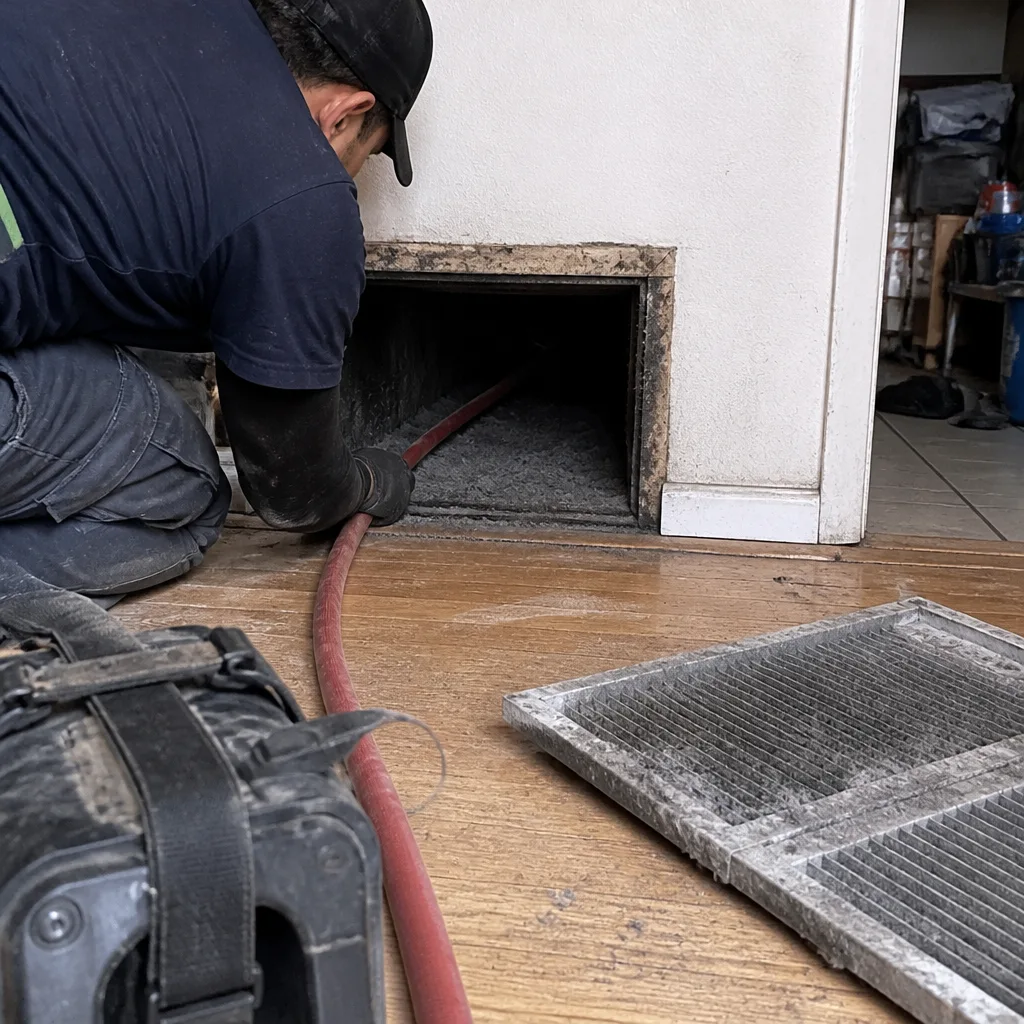 Before
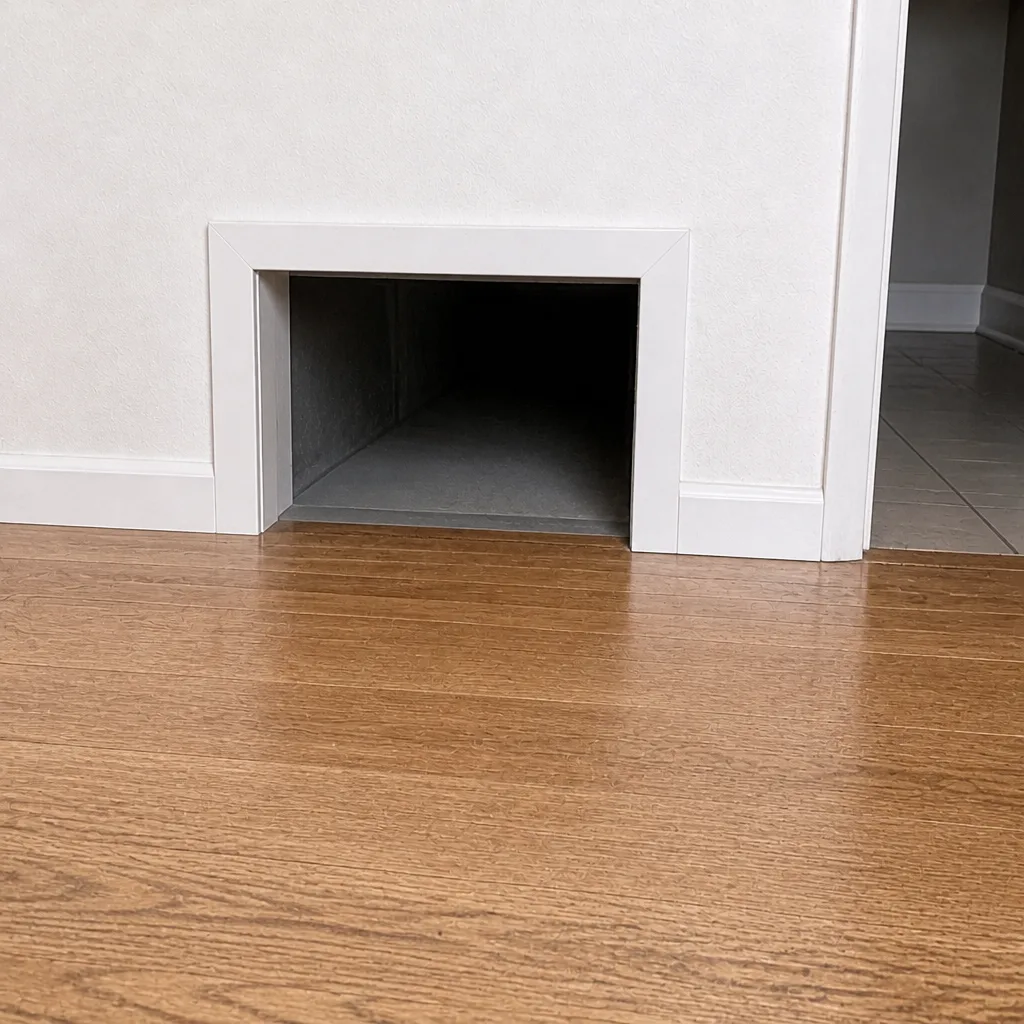 After
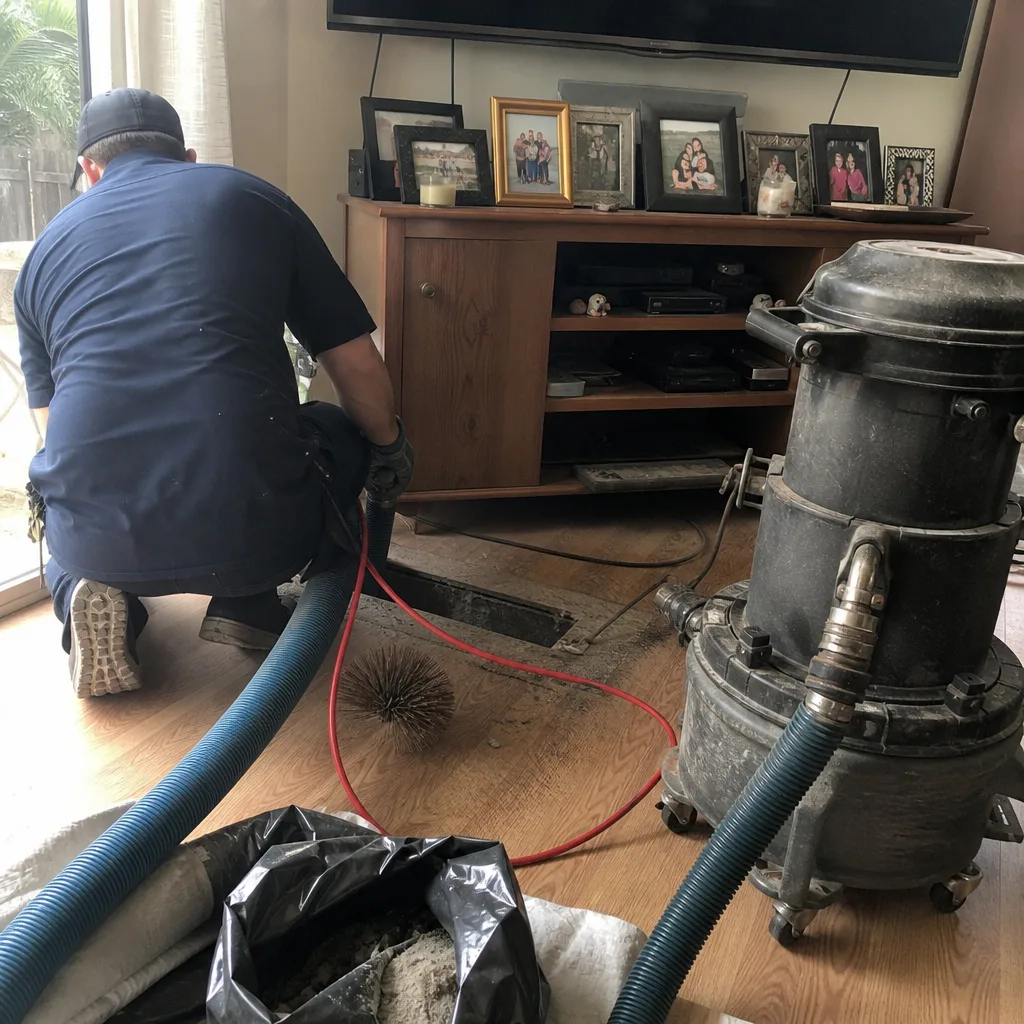 Before
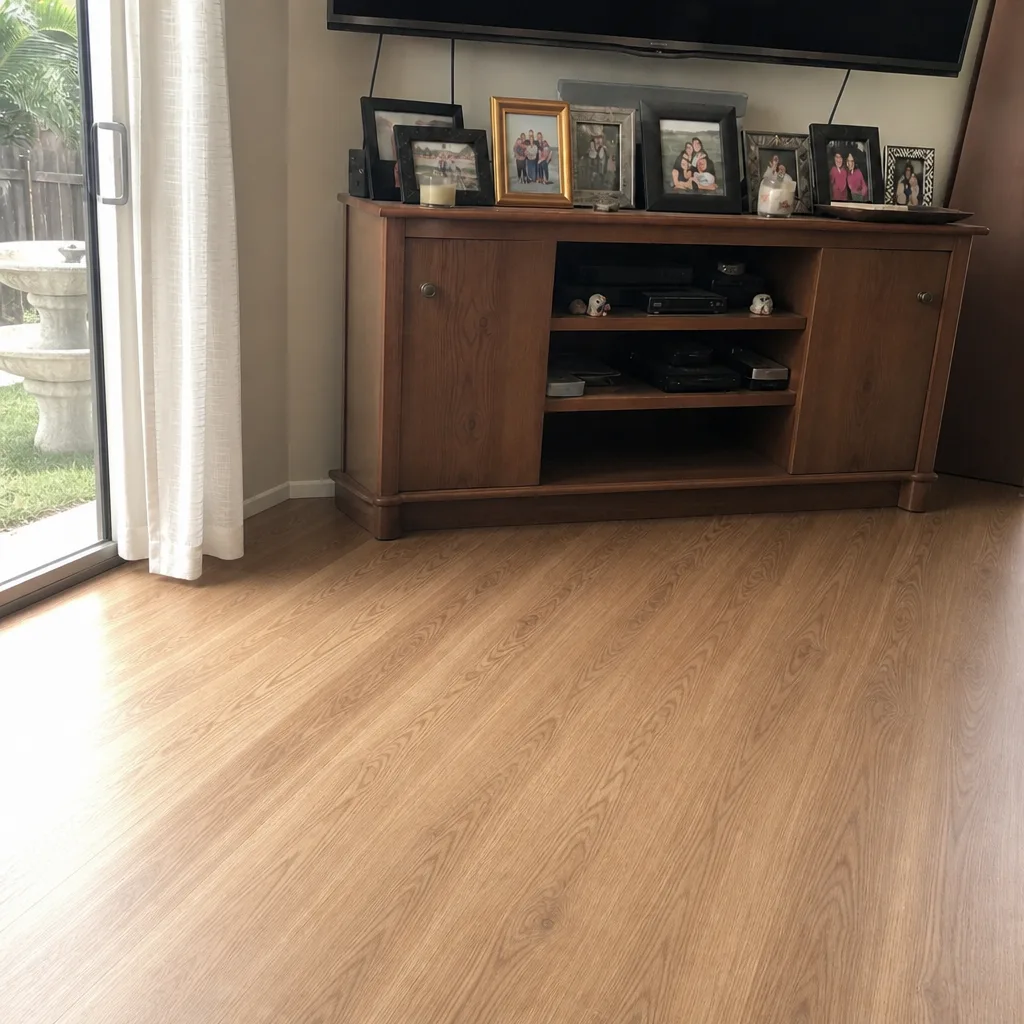 After
 Before
 After