
Last updated November 4, 2026
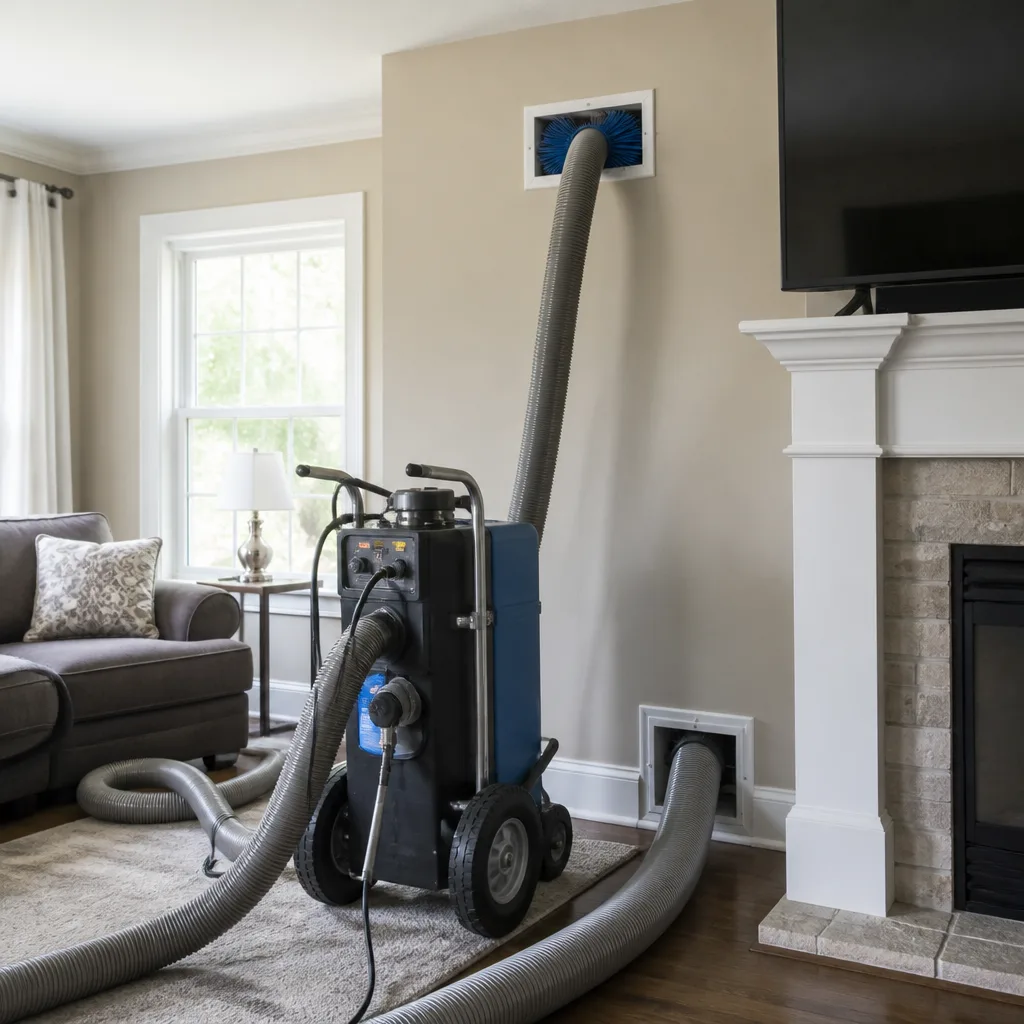 Whole-home duct cleaning
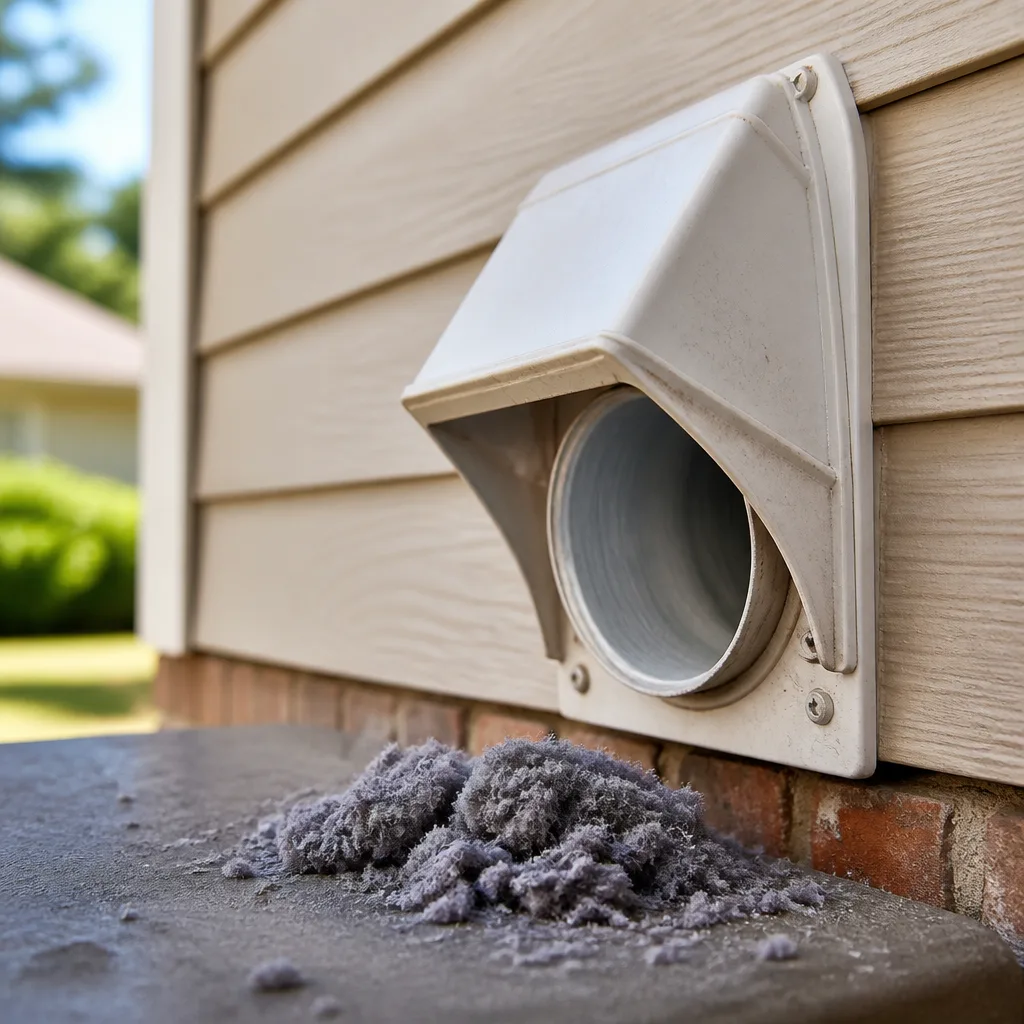 Dryer vent cleaning
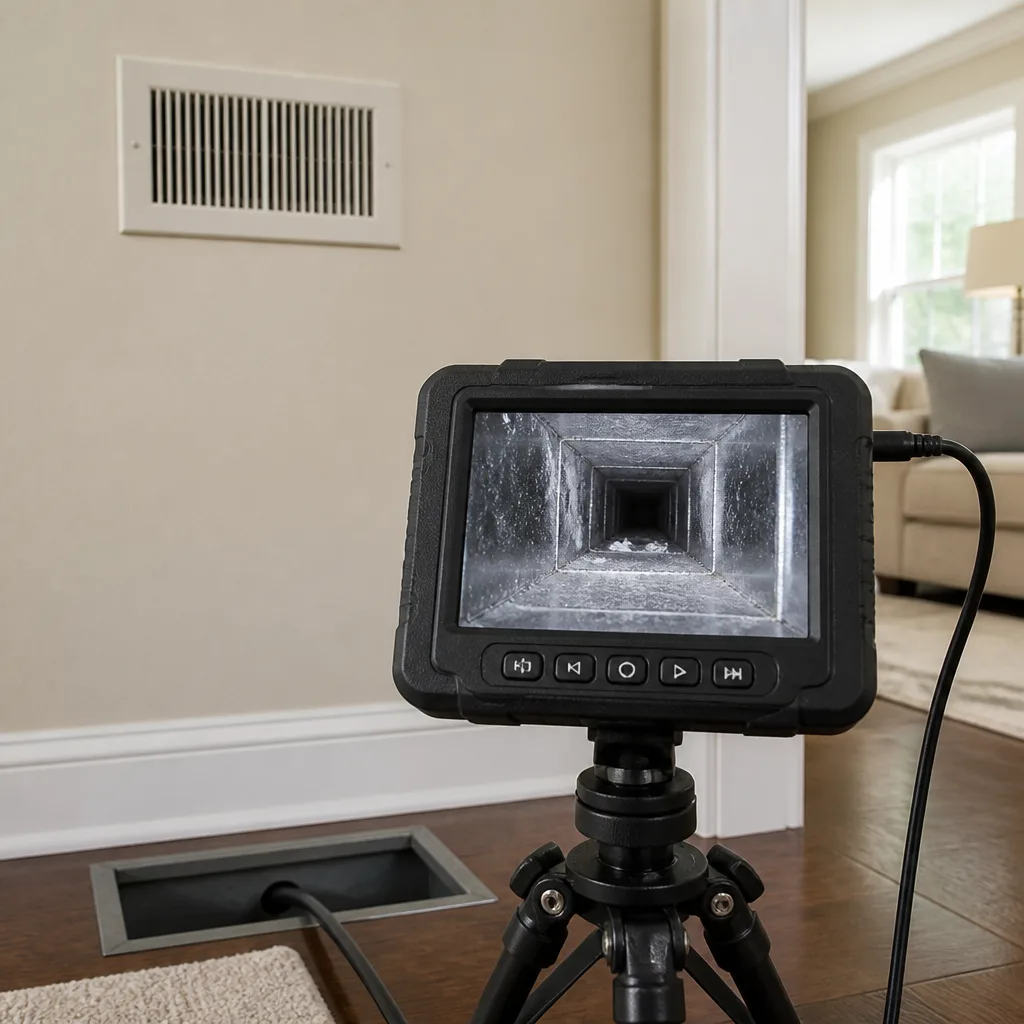 Camera inspection
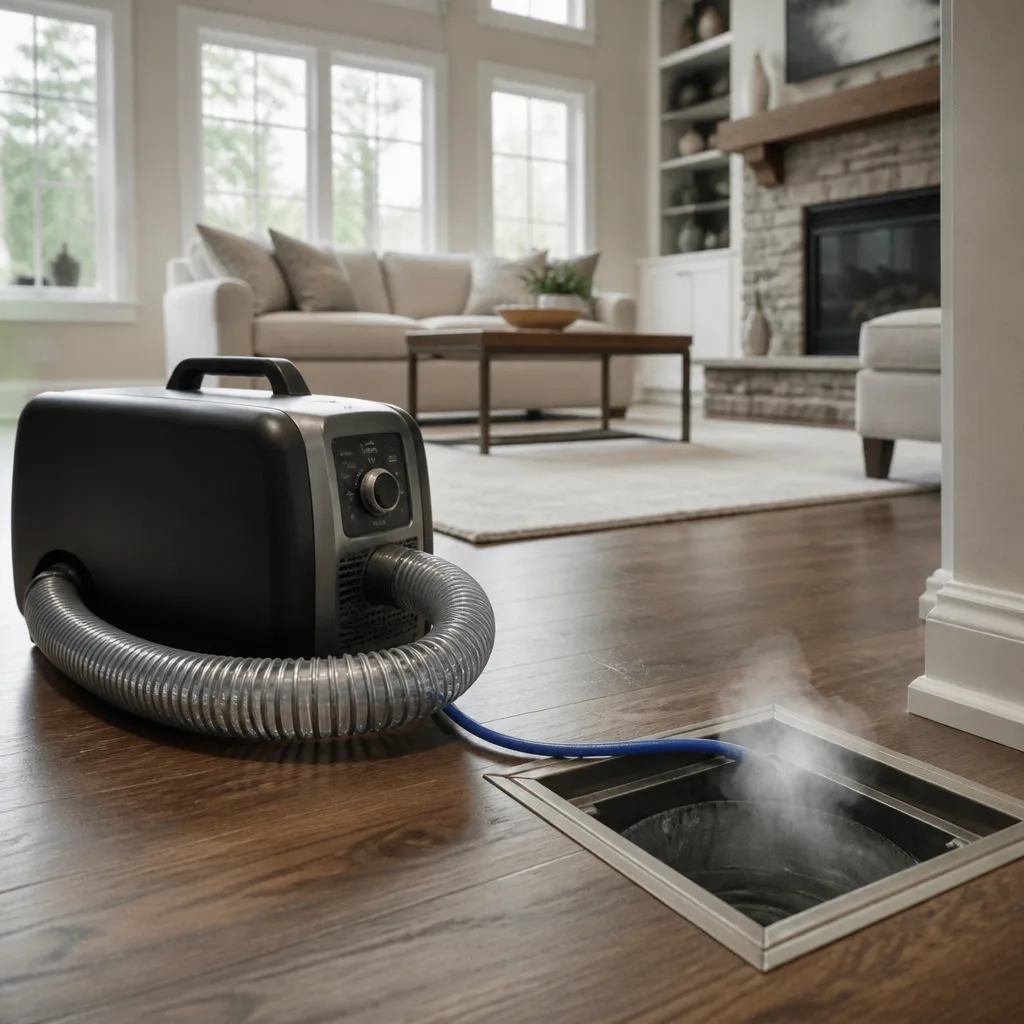 Sanitizing & deodorizing
Whole-system duct and dryer vent check with before-and-after photos - you see exactly what came out of your vents
That "$99 whole-house special" is a bait ad - the real number appears once they are in your hallway, or the "clean" is a shop-vac at the register. We photograph the inside of your ducts before and after instead.
Air Duct Cleaning Warning Signs: A Fountain Valley Homeowner’s Reference Guide
Most homeowners think the first sign of dirty ducts is dust you can see. By the time you notice gray fuzz collecting around a supply register, the interior surfaces of your ductwork have likely been accumulating debris for months, even years. The real early warnings show up elsewhere: in your energy bills, in how your system behaves, and in which rooms make you sneeze. This guide walks through what actually indicates duct contamination in Fountain Valley homes, what you can check yourself, and when a professional evaluation is the smarter move.
Styles & brands we work with
- Whole-home duct cleaning
- Dryer vent cleaning
- Camera inspection
- Sanitizing & deodorizing
Quick Answer
The most reliable early warning signs of dirty air ducts in Fountain Valley are often invisible at the vent face: a gradual rise in cooling costs without a change in usage, room temperatures that no longer match the thermostat setting, and allergy symptoms that flare only when the HVAC runs. Visible dust accumulation at registers is a late-stage indicator, meaning internal duct surfaces and the air handler have probably needed attention for a while.
Table of Contents
- Performance-Based Warning Signs
- Visible Signs at Registers and Returns
- Occupant Health Pattern Signals
- How to Check a Register with a Flashlight
- Signs Cleaning Alone Won’t Fix
- Distinguishing Duct Issues from Other HVAC Problems
- Common Mistakes to Avoid
- When to Call a Professional
- Frequently Asked Questions
- The Bottom Line
Performance-Based Warning Signs
Duct contamination changes how your system operates before it changes how it looks. Air moving through restricted, debris-lined ducts meets more resistance. The blower works harder to push the same volume of air. Over time, that extra load shows up in measurable ways.
Rising Energy Bills Without a Change in Usage
If your summer cooling costs in Fountain Valley climb while your thermostat habits stay the same, dirty ducts are one of the first places to look. A fouled evaporator coil and restricted return airflow force the system to run longer to reach the same indoor temperature. Longer runtimes mean more kilowatt-hours. You might notice the outdoor condenser running almost constantly during heat waves, even when the house feels only moderately cool.
This is not the only cause of rising bills, of course. A failing capacitor, low refrigerant, or a clogged filter can all produce the same effect. But dust accumulation inside the ducts themselves acts as insulation on the coil and adds static pressure throughout the system. It is a slow, compounding inefficiency.
Uneven Room Temperatures
One bedroom stays comfortable while another runs five degrees warmer. The hallway feels fine but the living room never quite cools down. Uneven temperatures often get blamed on insulation or window exposure, and those can absolutely contribute. But when the imbalance appears without changes to furniture, window coverings, or sun exposure, it often signals restricted airflow in specific duct runs.
Debris tends to settle in low spots, long horizontal runs, and at bends in the ductwork. A restricted branch line delivers less conditioned air to its room no matter what the thermostat says. The fix is not always just cleaning; sometimes the restriction reveals a collapsed section or disconnected joint that needs air duct cleaning followed by repair. The point is that room-to-room imbalance is a diagnostic clue, not a comfort preference.
System Short-Cycling
Short-cycling means the system turns on, runs for a few minutes, shuts off, then starts again shortly after. It is often blamed on an oversized unit or thermostat placement. But a heavily restricted return path can cause the same behavior. When the blower cannot pull enough air across the heat exchanger or coil, internal temperatures climb quickly, triggering the limit switch to shut the system down. It restarts once things cool, and the cycle repeats.
Short-cycling is hard on equipment and expensive in energy terms. It also fails to dehumidify properly, which matters in Fountain Valley’s warm, dry climate where comfort depends heavily on consistent airflow. If you hear the system cycling frequently and the filter is clean, restricted ductwork should be on your list of suspects.
Visible Signs at Registers and Returns
Visible dust at the vent face is the classic warning sign, but as noted, it arrives late. By the time you see accumulation around a supply register, the internal duct walls, turning vanes, and air handler cabinet have typically been coated for months. The dust you see is just what escaped.
What should you actually look for?
- Gray or tan fuzz around register edges: This is a mix of household dust, skin cells, pet dander, and textile fibers. It collects where air velocity drops at the register edge.
- Dark streaking on walls or ceiling near registers: These stains are usually not mold. They are fine particulates that have impacted the drywall as air exits the vent. Over years, the buildup becomes visible.
- Debris visible inside the register when you remove the cover: Peering into the boot with a flashlight may reveal clumps of dust, pet hair, or even construction debris from a past renovation.
- Return grilles clogged with lint or pet hair: Returns pull air into the system. Anything collecting there has already been circulating through the house.
One important distinction: some dust around a register is normal. Houses generate dust constantly. The question is quantity and rate. If you wipe the register clean and it is visibly fuzzy again within a week or two, the system is distributing airborne particulates more rapidly than normal household activity explains.
Occupant Health Pattern Signals
Health symptoms are a sensitive topic and should never be used to diagnose anything definitively. That said, certain patterns correlate with contaminated HVAC systems and are worth paying attention to.
The key is pattern recognition. General allergy symptoms that happen every day, regardless of location or activity, point to environmental allergens outside the HVAC system. Symptoms that track the HVAC itself point to the system as a distribution mechanism.
Symptom Timing Relative to HVAC Operation
Do symptoms appear shortly after the air conditioner kicks on? Do they subside when the system has been off for hours? This timing correlation, noticed over a period of weeks, suggests the system is stirring up and distributing particulates rather than merely failing to filter them.
Room-Specific Reactions
Symptoms that flare in one room but not another can indicate a specific duct run with significant contamination. A bedroom that triggers sneezing or congestion while the rest of the house feels fine warrants a look at the supply register, the duct boot, and the run feeding that room.
Morning Versus Evening Patterns
Morning symptoms often get attributed to dust mites in bedding. That is a real cause. But overnight, the HVAC may run less, allowing particulates to settle. When the system restarts in the morning, it re-suspends them. Evening symptoms, conversely, often track with the system running at full capacity during the warmest part of a Fountain Valley afternoon.
Again, none of this is medical advice. It is observational data. We have been working in Fountain Valley homes since 2013, and in our experience, the homeowners who notice these patterns are usually right about what they are observing. The HVAC system is the only thing in a house that touches every room and every cubic foot of air repeatedly.
How to Check a Register with a Flashlight
You can do a basic visual inspection yourself with a flashlight and about ten minutes. Here is the method we recommend. This is not a replacement for a professional inspection with cameras and negative-air tools, but it gives you a baseline.
- Turn the system off. You do not want air blowing in your face while you inspect, and you do not want to disturb loose debris before you see it.
- Remove the register cover. Most supply registers are held by two screws or simply lift out. Set the cover aside.
- Shine the flashlight into the boot, not just down the duct. The boot is the transition piece between the floor or wall opening and the round duct run. Debris collects there first.
- Angle the light along the duct walls. Look for a coating or film on the metal. A thin layer of fine gray dust is normal in any home. Clumps, matted material, or visible debris of any kind are not.
- Check multiple registers. Do at least three: one near the air handler, one in the farthest room on the longest duct run, and one in the most-used living space. Uneven findings between these locations tell you something about how debris moves through the system.
- Inspect the return grille. Pull the grille or filter access and look at the return plenum. This is the cavity where unfiltered air gathers before entering the air handler. It is often the dirtiest section of the entire system.
What does normal look like? A fine, uniform dust film adhered to metal surfaces, light gray or white in color, no visible chunks or fibers. What warrants a call? Anything you can scrape with a fingernail, visible clumps of pet hair, construction debris like drywall dust or sawdust, or a return plenum that looks like the inside of a lint trap.
Signs Cleaning Alone Won’t Fix
Some warning signs indicate a problem that vacuuming and brushing will not solve. Cleaning removes accumulated debris. It does not repair damage, stop water intrusion, or reconstruct degraded materials. Here is how to tell the difference.
Active Moisture Intrusion
Water stains on ceiling tiles below ductwork, rust on metal duct surfaces, or musty odors that persist after cleaning all point to moisture getting into places it should not be. In Fountain Valley, we do not deal with freeze-thaw or ice damming, but condensation on duct surfaces still happens, especially on poorly insulated supply trunks in unconditioned attics where summer attic temperatures run high. A sweating duct can saturate insulation and surrounding drywall. Cleaning removes the visible result. It does not stop the condensation. The underlying issue needs correction first.
Pest Evidence
Rodent droppings in the return plenum, chewed flex duct, nesting material in branch lines. These are not cleaning jobs. They are a pest control problem followed by a repair problem. The contaminated section often needs replacement rather than cleaning, because porous flex duct cannot be sanitized after significant contamination.
Duct Liner Deterioration
Some supply trunks and plenums are lined with fiberglass insulation for sound attenuation and thermal control. Over decades, that liner breaks down. You may see black or gray particles at the registers that look like soot but are actually degraded liner material. Or physical pieces of damaged liner come loose and blow into the living space. When liner deteriorates, the correct fix is liner replacement or duct section replacement, not just cleaning. It is one of the specific reasons we offer air duct cleaning and repair as separate services; they address different problems.
Distinguishing Duct Issues from Other HVAC Problems
Dirty ducts share symptoms with several other HVAC conditions. Before you spend money on cleaning, it helps to rule out the most common overlap.
Filter Failure
A clogged filter restricts airflow and produces many of the same performance signs: rising bills, uneven cooling, and short-cycling. The difference is speed of onset. Filter restriction develops over one to three months. Duct contamination develops over years. Check the filter first. If you replace it and symptoms return within days, the problem is downstream of the filter, which points toward the coil, blower, or ducts.
Refrigerant Issues
Low refrigerant reduces cooling capacity no matter how clean the ducts are. Telltale signs include ice on the outdoor lines, a hissing sound from the condenser, or air from the vents that is cool but not cold. Duct contamination does not cause ice on the refrigerant lines. If you see that, the problem is not the ducts.
Duct Leakage
Leaky ducts produce uneven temperatures and efficiency loss, similar to dirty ducts. But leakage usually develops in specific patterns: a room that was fine becomes hot after something shifted, or a section of flex duct in the attic comes disconnected and suddenly a whole zone gets no airflow at all. Leakage is a pressure problem. Contamination is a cleanliness problem. They can coexist, which is why a thorough inspection looks at both.
One practical takeaway: if symptoms develop suddenly in one room while the rest of the house stays unchanged, suspect leakage or a disconnected run before you suspect contamination. If symptoms build gradually across the whole house over a year or more, contamination is more likely the main driver.
Common Mistakes to Avoid
- Looking only at the vents. The supply registers are the exit. The most significant accumulation is usually at the return side and the air handler, which you cannot see without professional inspection tools. A clean-looking vent tells you almost nothing about the return plenum.
- Assuming visible dust is the earliest sign. As discussed, performance and health patterns often appear months before registrable dust is visible. Waiting for visual confirmation means the system has been operating fouled for a long time already.
- Blame the ducts for every HVAC problem. Refrigerant loss, failed capacitors, and undersized returns all produce overlapping symptoms. A competent professional diagnoses before treating, and a cleaning-only company may not be equipped to distinguish between them.
- Treating duct cleaning as a routine maintenance task. Ducts do not need cleaning on a fixed schedule like oil changes. They need cleaning when evidence indicates contamination. Cleaning too frequently can damage ductwork, especially flex duct, and adds unnecessary wear to sealed joints.
- Assuming cleaning fixes leaks. A brush and vacuum remove debris. They do not seal joints, reconnect fallen flex runs, or repair torn insulation. If you have airflow loss from leakage, cleaning will not restore it.
- Ignoring the return side. Most homeowners think about supply registers because that is where air comes out. The return side is where air goes in, and it pulls from the entire house. A filthy return plenum means contaminants enter the system constantly, even if the supply side looks clean.
- Ignoring dryer vents in the same breath. A clothes dryer shares a conceptual problem with ductwork: airflow restriction from accumulated debris. But a restricted dryer vent is a fire hazard in a way a dirty supply duct is not. It deserves its own evaluation, which is why dryer vent cleaning is a separate service from air duct cleaning. Never assume one addresses the other.
When to Call a Professional
Call if you have ruled out the filter as the culprit and still see one or more of the following: energy bills rising for no clear reason across multiple months, rooms that cannot hold temperature, dust reappearing at registers within days of cleaning, symptoms that track with HVAC operation, visible debris in the boot or return plenum during your flashlight check, or evidence of pests, moisture, or liner deterioration.
Wellington Air Duct Cleaning offers free estimates in Fountain Valley. We work with professional-grade Rotobrush and Nikro equipment, the same tools used by certified remediation contractors, not rental machines from a big-box store. If you are not in Fountain Valley proper, Wellington Air Duct Cleaning serves the surrounding area as well. Call (877) 358-4557. We answer 24/7. Fast dispatch from 7am to 7pm, Sunday through Friday.
Frequently Asked Questions
You need cleaning if you find visible debris in the boot or return plenum, dust reappears at registers within days of wiping them clean, energy costs have risen without a change in usage, or allergy symptoms track with HVAC operation. A thin, uniform dust film on metal surfaces is normal and does not require cleaning.
Pricing is set per job by a written estimate, because house size, system configuration, and contamination level vary widely. A small single-system home costs less than a large two-story with long flex runs. Call (877) 358-4557 for a free estimate, and the written estimate sets the final price before any work begins.
You can inspect them, and you can replace filters and vacuum register boots, but a meaningful duct cleaning requires negative-air equipment that contains and removes debris rather than blowing it through your house. Consumer shop vacuums can reach a few feet into a duct run at most. The rest of the system remains untouched, which is why professional equipment like Rotobrush and Nikro systems exist.
Cheaper quotes usually come from companies using smaller portable vacuums without true negative-air containment, or from multi-trade contractors who treat duct cleaning as an add-on service rather than a specialty. The lower price often buys less access, no return-side cleaning, and no actual full-system work. Compare what is included, not just the number.
There is no fixed schedule that applies to every Fountain Valley home. The right interval depends on occupancy, pets, renovation history, and whether the home has smokers or occupants with respiratory conditions. Most homes benefit from a professional evaluation every three to five years, with cleaning performed only when evidence supports it.
It can, if the system is the distribution mechanism for the allergens in question. Cleaning removes accumulated dust, pollen, pet dander, and textile fibers from the surfaces that air passes over constantly. It does not remove allergens from carpets, upholstery, or outdoor air. If symptoms track specifically with HVAC operation, cleaning is more likely to make a meaningful difference.
No. The two systems are separate. Your dryer vent runs from the dryer to the exterior of the house and carries hot, lint-laden exhaust. Your air ducts move conditioned air through the living space. A restricted dryer vent is a documented fire hazard, which is why we treat dryer vent cleaning as its own dedicated service with its own inspection and cleaning protocol.
We are familiar with the full range of residential air quality equipment, including Honeywell filtration systems, Aprilaire accessories, and Abatement Technologies products. Our team also works with Guardsman equipment in professional applications. This matters because duct access points, filter housings, and system configurations vary by brand, and a specialist who knows the equipment can work more efficiently.
The Bottom Line
The signs that matter most are often the ones you cannot see: climbing energy costs, stubborn room temperatures, short-cycling, and symptom patterns that follow the HVAC. Visible dust at the registers is what confirms a problem, not what reveals it. If you are in Fountain Valley and your system has been telling you something for months, get a professional assessment before the next cooling season. Call (877) 358-4557 for a free estimate. We answer 24/7. Fast dispatch from 7am to 7pm, Sunday through Friday.
Written by the team at Wellington Air Duct Cleaning, serving Fountain Valley since 2013.
See the difference
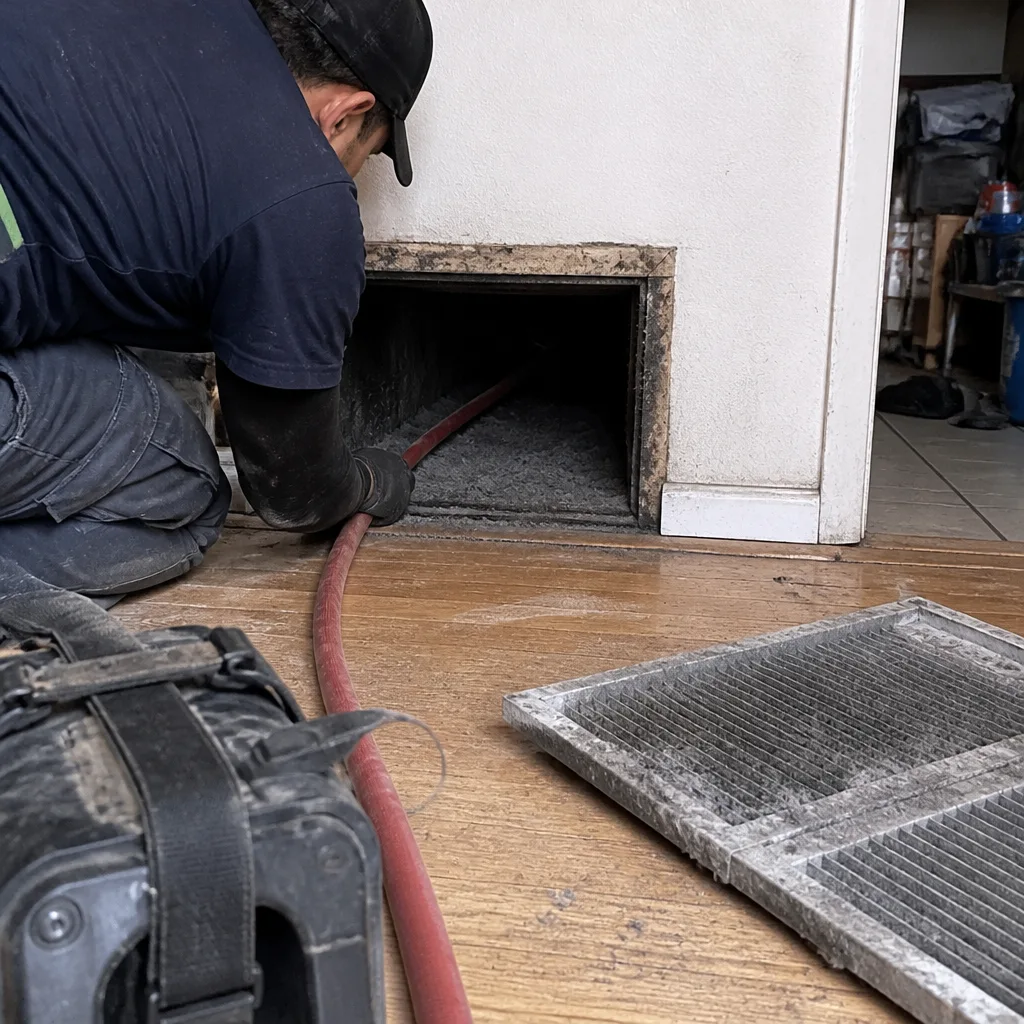 Before
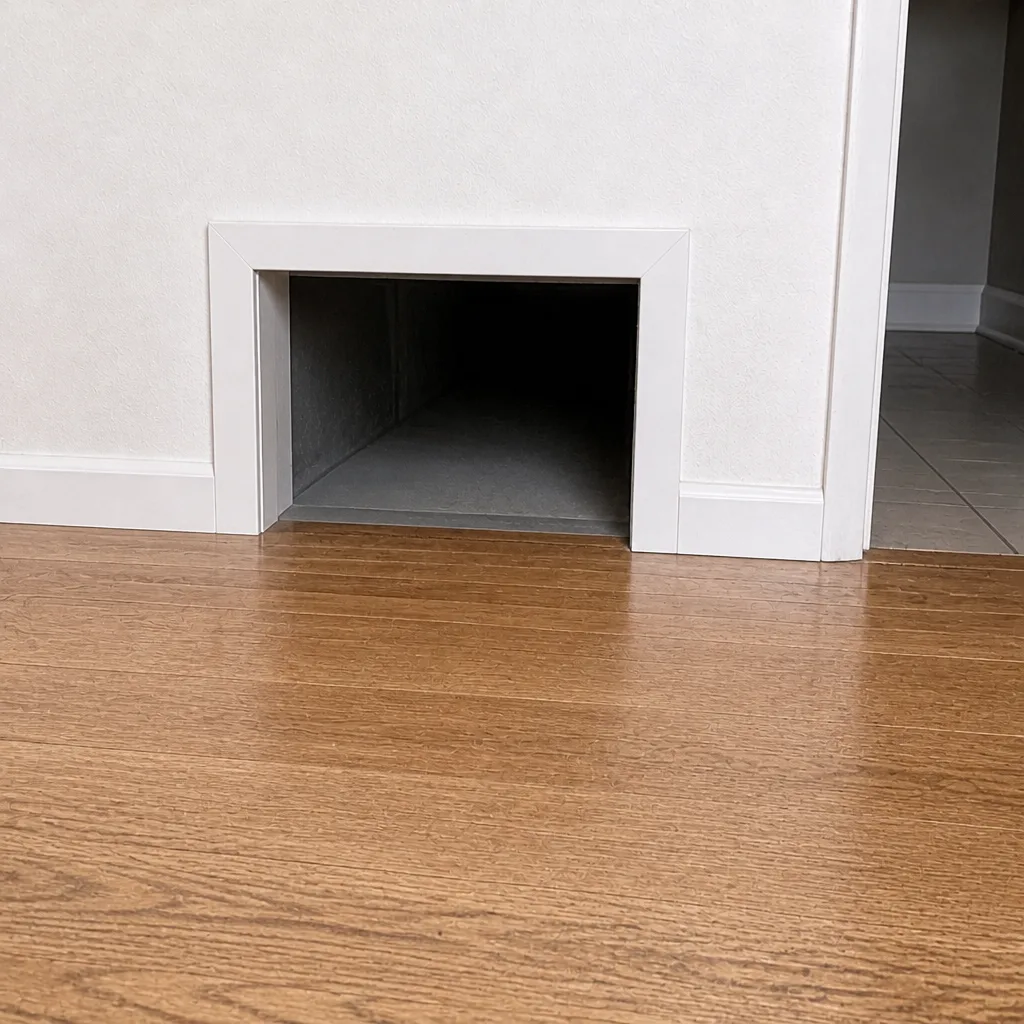 After
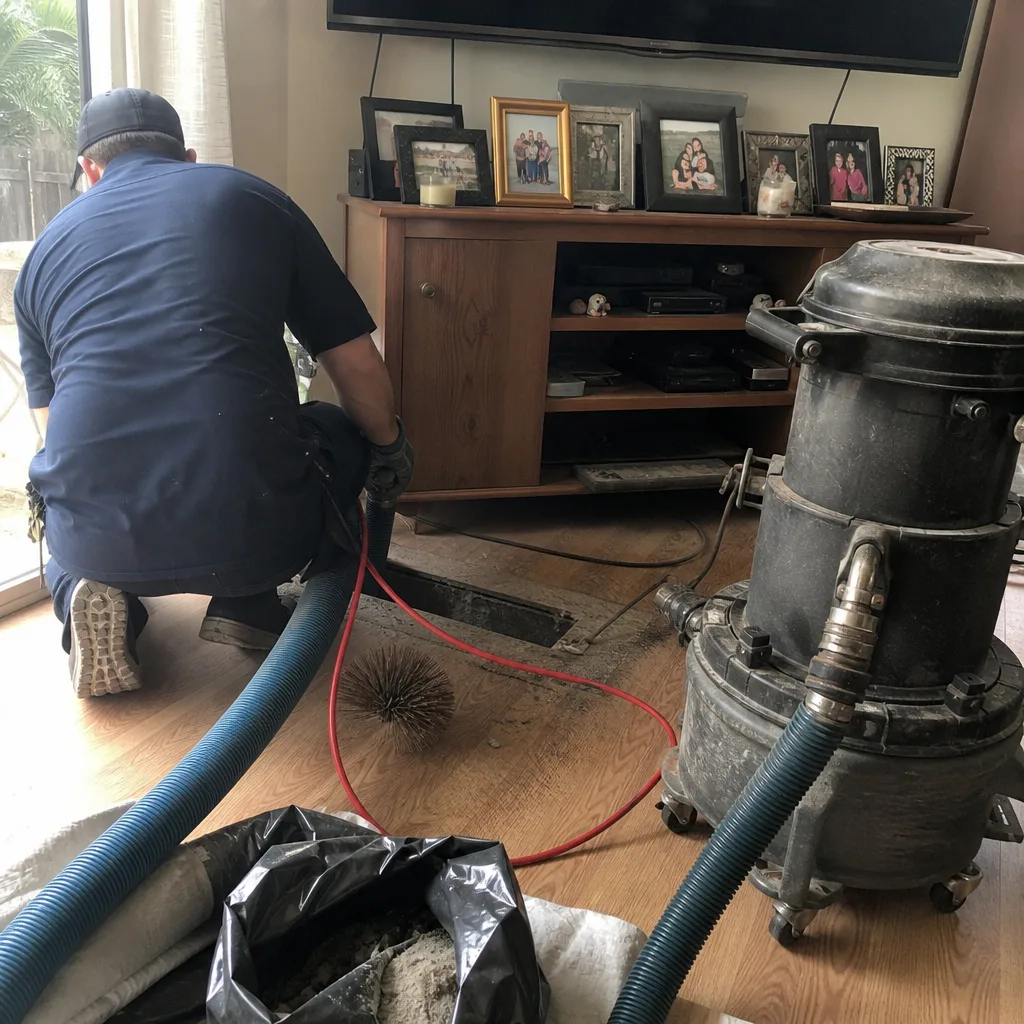 Before
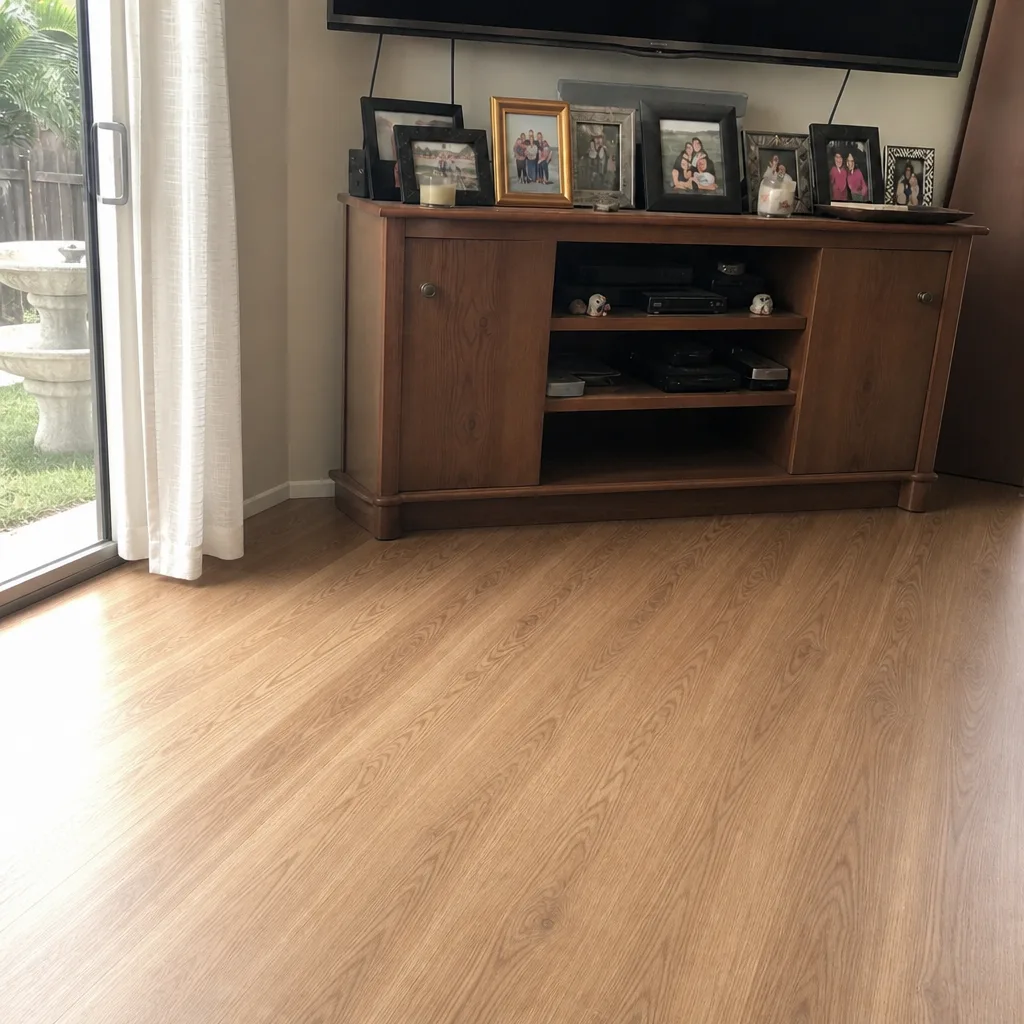 After
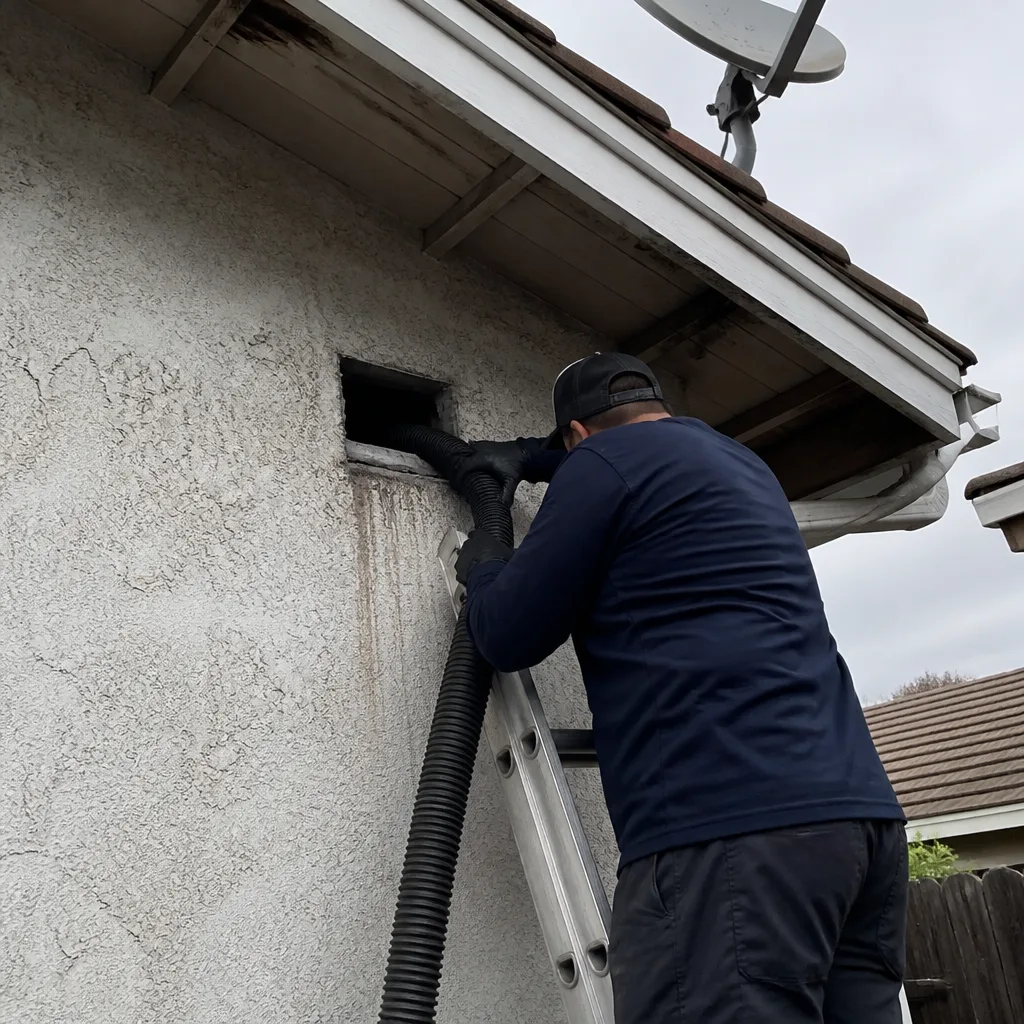 Before
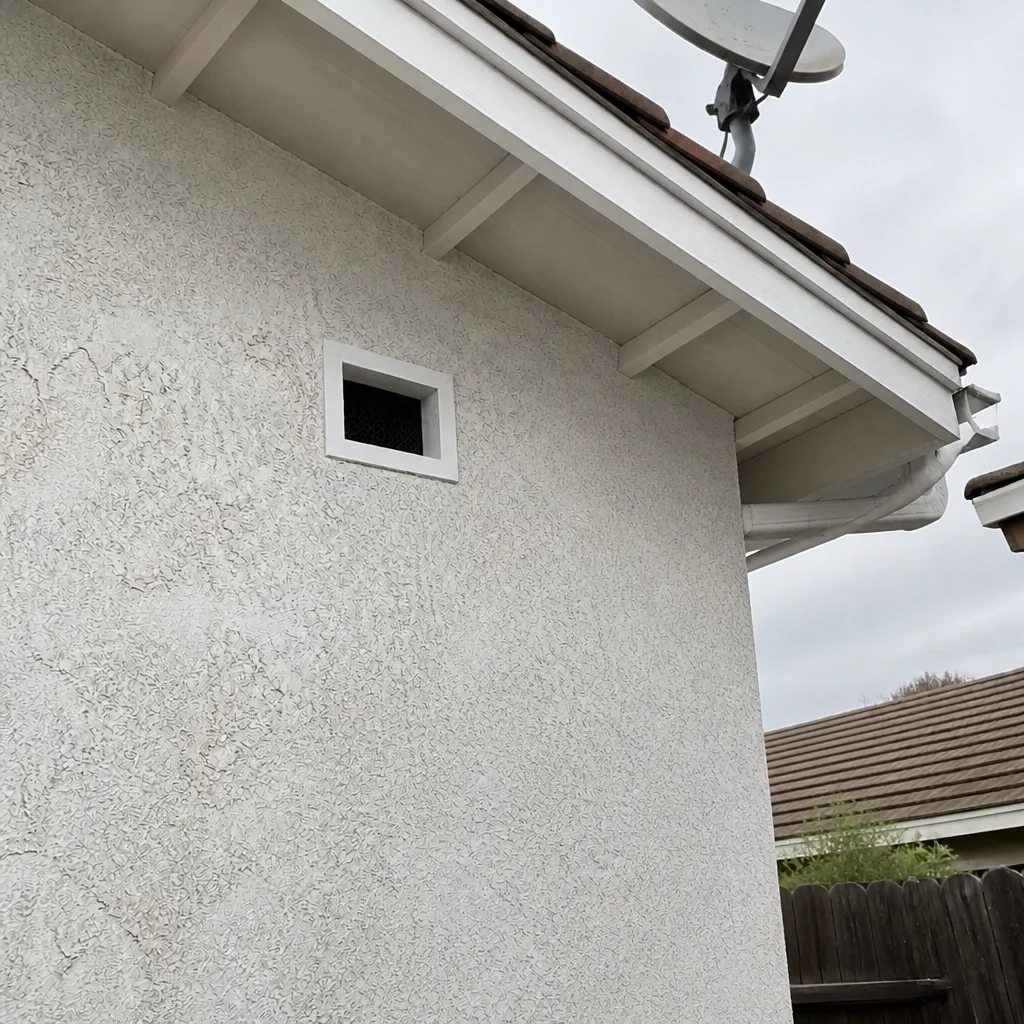 After