
Last updated November 4, 2026
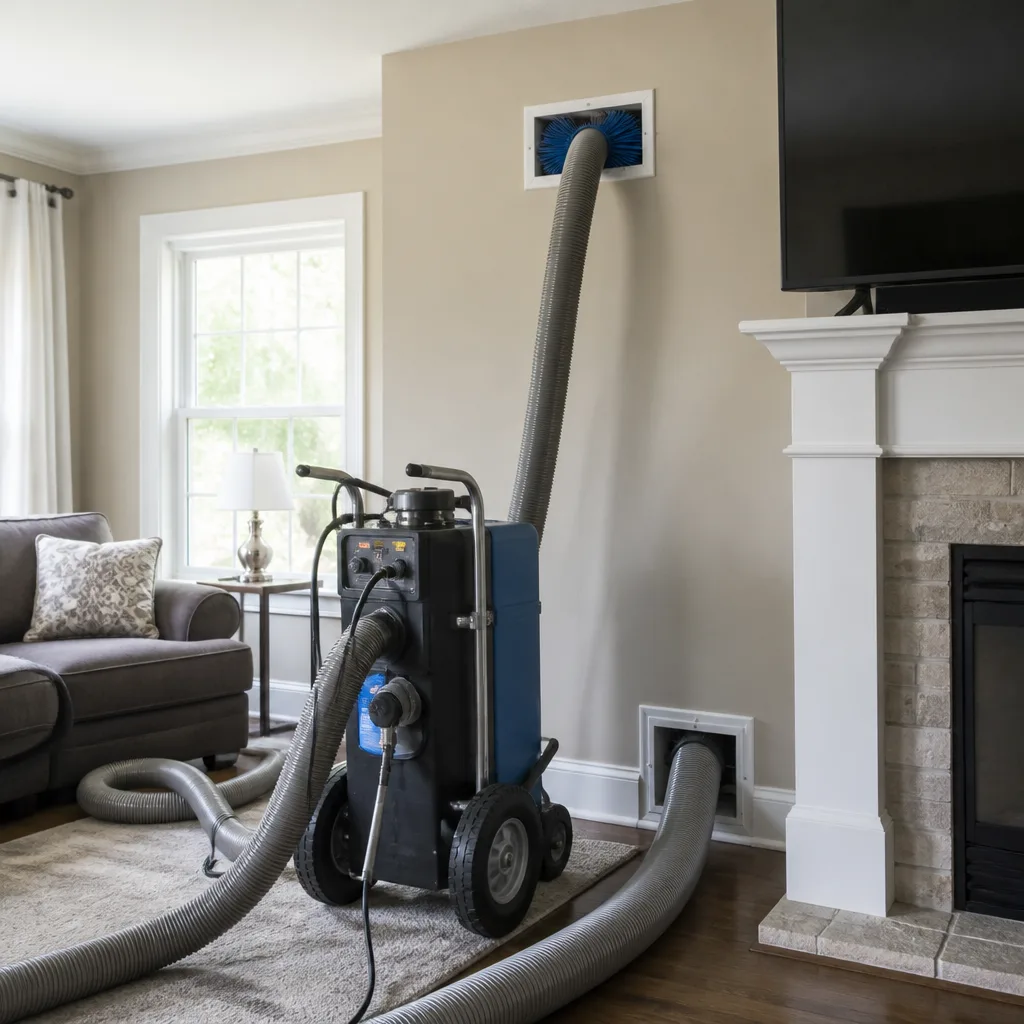 Whole-home duct cleaning
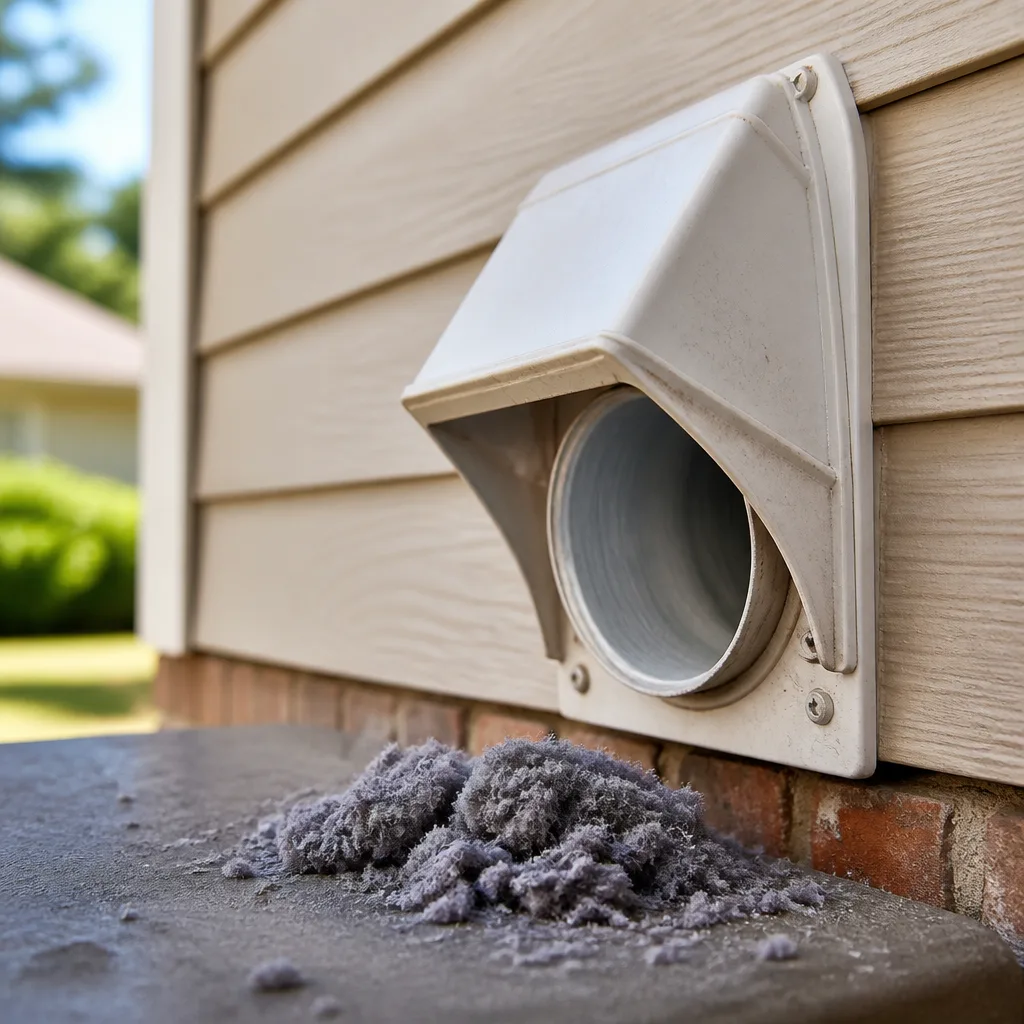 Dryer vent cleaning
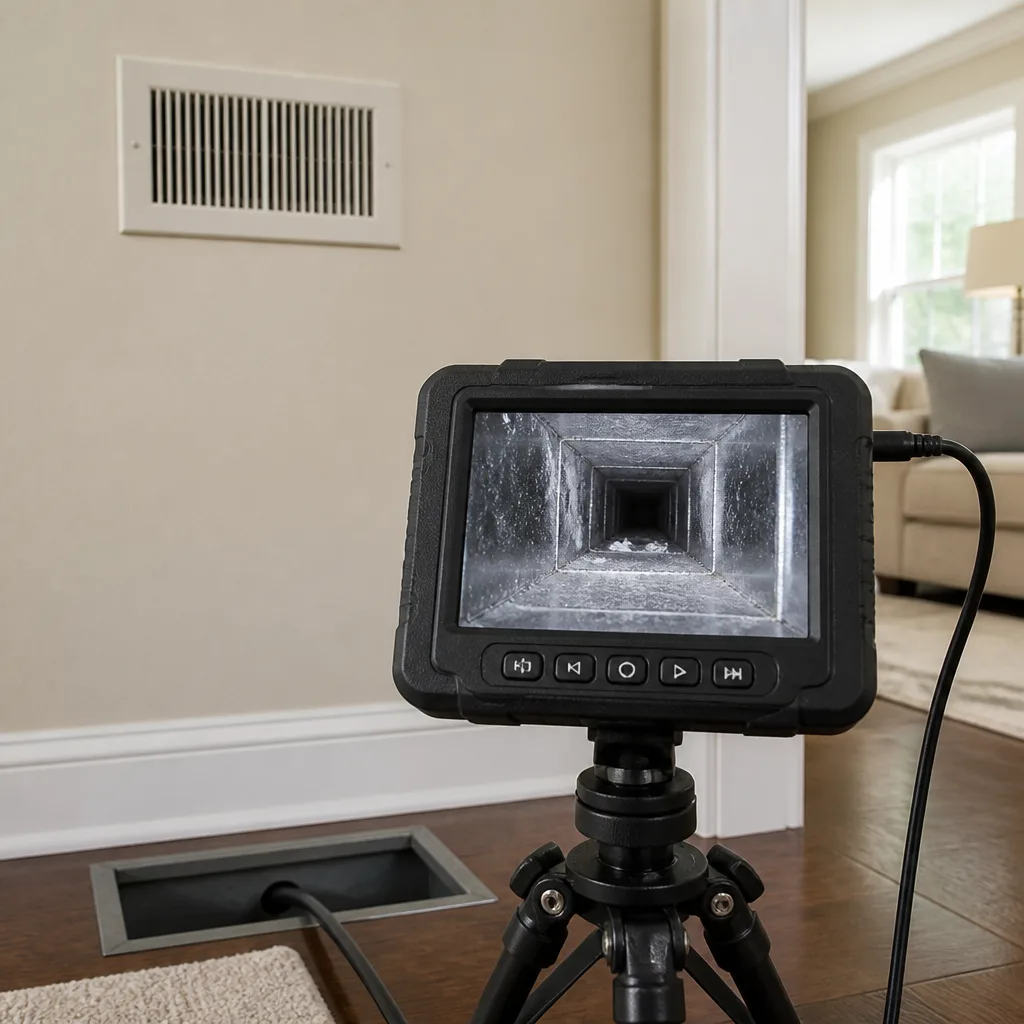 Camera inspection
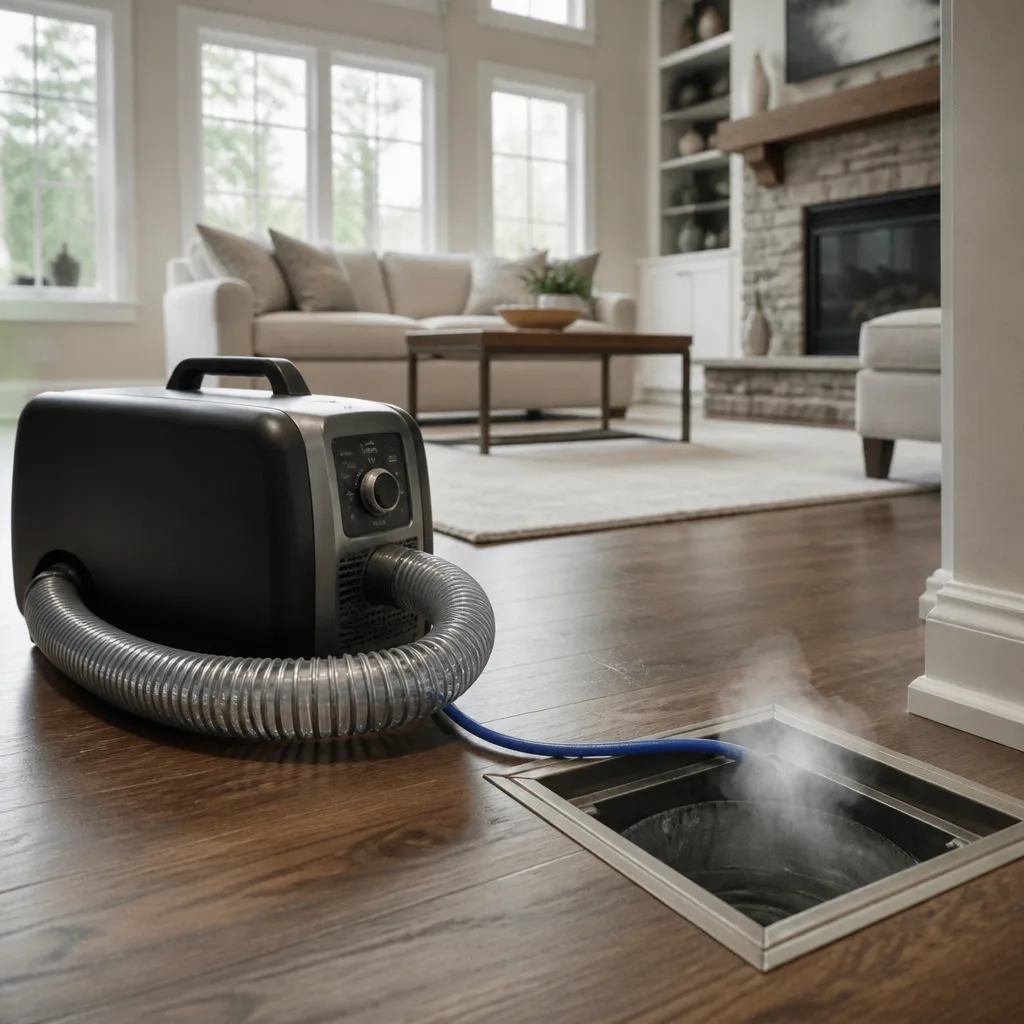 Sanitizing & deodorizing
Whole-system duct and dryer vent check with before-and-after photos - you see exactly what came out of your vents
That "$99 whole-house special" is a bait ad - the real number appears once they are in your hallway, or the "clean" is a shop-vac at the register. We photograph the inside of your ducts before and after instead.
Choosing the Right Air Duct Cleaning Brand: A Buyer’s Guide for Fountain Valley
Walk into any Fountain Valley home built in the 1970s or 1980s and you’ll likely find the same thing: an HVAC system that’s been quietly moving air for four decades, with ductwork nobody has ever actually looked at. The conversation about air duct cleaning usually starts when something forces it, a musty smell, a renovation, a dryer that takes two cycles to finish a load. And at that moment, most homeowners reach for the most familiar name. The problem is that brand recognition in duct cleaning is mostly an advertising budget, not an equipment specification. Some of the most heavily marketed national franchises in Orange County send technicians out with portable vacuum units, the same category of machine a motivated homeowner can rent on a Saturday morning. What actually determines the quality of the work is the equipment on the truck and the scope of the system the technician is trained to address. This guide walks through how to evaluate both, so you can choose based on what’s in the van and what gets cleaned, rather than which jingle you remember.
Quick Answer
The right air duct cleaning company in Fountain Valley is one whose equipment and scope match the actual condition of your system, not the one with the biggest advertising presence. Ask about vacuum type, CFM rating, and whether the technician accesses the air handler and all branch lines, not just the supply registers. A full-system specialist with professional-grade equipment will produce measurably different results than a franchise operator using portable rental-grade machinery.
Styles & brands we work with
- Whole-home duct cleaning
- Dryer vent cleaning
- Camera inspection
- Sanitizing & deodorizing
Table of Contents
- How to Evaluate Equipment Before You Agree to Anything
- Franchise Versus Independent Specialist: What the Brand Name Actually Buys
- Reading Reviews for Duct Cleaning Companies: What the Language Reveals
- What Full-System Focus Means Operationally
- Using Your HVAC Technician’s Assessment to Verify the Work
- What Fountain Valley’s Housing Stock Means for Duct Cleaning
- Common Mistakes to Avoid
- When to Call a Professional
How to Evaluate Equipment Before You Agree to Anything
This is the section most duct cleaning marketing material hopes you skip. The single biggest determinant of whether a cleaning job actually removes contaminants from your system is the vacuum system the company uses, followed closely by the agitation method. We’ll walk through the specific questions that separate professional-grade setups from portable units that are, frankly, no more powerful than what you could rent yourself.
Start with the vacuum. The key distinction is between truck-mounted systems and portable units. A truck-mounted vacuum pulls air through the duct system using a blower driven by the vehicle’s engine, typically generating significant negative pressure measured in cubic feet per minute, or CFM. Professional-grade truck mounts from manufacturers like Nikro and Rotobrush are built for this purpose, with sealed filtration and enough pull to extract debris that’s settled deep in the branch lines. Portable units, by contrast, are limited by household electrical circuits. They simply cannot generate the same negative pressure, and their filtration is often a single-stage filter that can’t capture the fine particulate the cleaning is supposed to remove. Ask the company directly: “Is your vacuum truck-mounted or portable, and what’s the CFM rating?” If they hesitate or can’t answer, that tells you what you need to know. If they can answer, the number should be in the thousands, not the hundreds.
The second question is about agitation. A vacuum alone doesn’t clean anything. It just creates airflow. What actually dislodges the dust, lint, and biofilm coating the inside of your ducts is a brush system. Professional systems push a rotating brush through the ductwork under controlled pressure, scrubbing the walls while the vacuum simultaneously extracts what comes loose. The alternative, which is what some lower-cost companies do, is essentially just waving a hose around. Ask: “What method do you use to agitate debris inside the ducts, and can you show me the brush system?” A company using equipment from Rotobrush or Nikro will have no problem answering this. A company that dodges the question is hoping you won’t notice the difference between a real clean and an hour of airflow.
One more thing worth clarifying before you book: whether the vacuum vents outside your home during the job. A proper truck-mounted setup exhausts outside, carrying fine particulate away from your living space. Portable units vent indoors, which means whatever the filter doesn’t catch just gets recirculated into the rooms you’re trying to improve. For a Fountain Valley house where the HVAC system may have been running since the Reagan administration, that distinction matters.
Franchise Versus Independent Specialist: What the Brand Name Actually Buys
There’s a persistent assumption that a national franchise name means a standardized, predictable result. With air duct cleaning, that assumption breaks down quickly. What a franchise membership actually standardizes is the logo on the van, the marketing materials, and sometimes the preferred equipment vendor. What it does not standardize is who actually shows up at your door. Franchise territories in Orange County are operated by independent owners who hire their own technicians, maintain their own equipment, and set their own training standards. The brand doesn’t clean your ducts. The person holding the brush does.
An independent specialist carries a different kind of accountability. A local company lives and dies by its reputation in Fountain Valley, Huntington Beach, and the surrounding communities. When Wellington Air Duct Cleaning sends a technician to a house near Mile Square Park or along the 405 corridor, that technician’s work determines whether we ever get called again. That’s not marketing language. That’s the operational reality of a business whose entire customer base is within a twenty-minute drive. Franchise operators, by contrast, are often working a territory large enough that a bad review in one ZIP code barely registers against their overall volume.
The other distinction is equipment philosophy. A franchise owner who got into duct cleaning because it seemed like a good business opportunity might have started with whatever equipment the franchise required, often portable units that keep startup costs low. A specialist who does nothing but air duct systems all day, every day, is going to gravitate toward the equipment that actually does the job well, because anything less means callbacks and headaches. That’s why we run professional-grade Rotobrush and Nikro systems. Not because the brand name impresses anyone, but because they work, and they hold up, and they let a technician actually clean a full duct system rather than pretending to.
There’s a final thing to consider: what happens when the cleaning reveals a problem. A duct that’s disconnected, a section crushed during a remodel, a boot that’s come loose from the register. A franchise cleaner whose scope is limited to vacuuming is likely to note it and move on, if they mention it at all. A full-system specialist can handle air duct cleaning and repair as one continuous job, fixing the damage on the spot rather than leaving you to find another contractor for a follow-up visit. That scope difference is something no brand name can paper over.
Reading Reviews for Duct Cleaning Companies: What the Language Reveals
Online reviews are genuinely useful for duct cleaning companies, but not in the way most people use them. The overall star rating tells you less than the specific language reviewers use when describing the job. A five-star review that says “friendly tech, arrived on time, good price” describes a good customer service experience. It says nothing about whether the ducts were actually cleaned. A five-star review that says “he showed me the before and after photos of the inside of the return, and the difference was dramatic” describes a verifiable result. Learn to read for the second kind.
Here’s a practical framework for evaluating reviews on Google, Yelp, or anywhere else you’re researching a Fountain Valley duct cleaning company:
- Look for mechanical specificity. Reviews that mention equipment, system access, or specific areas of the home (air handler, return plenum, branch lines) indicate a reviewer who watched a real job happen. Reviews that only mention politeness and punctuality could describe any service.
- Watch for evidence of verification. The best companies show customers what was removed. Reviews that mention photos, camera inspections, or a walkthrough of the system indicate a process built for accountability.
- Be wary of uniformly generic praise. If every review says the same three things (“great service, fair price, highly recommend”), the company may be using a review-generation service that prompts customers with talking points. Real reviews are varied, specific, and occasionally awkward.
- Look for how the company handles problems. Every service business occasionally has an issue. What matters is the response. A thoughtful, specific response from the owner explaining what happened is a trust signal. Defensive or absent responses are not.
One more note for Fountain Valley specifically: the housing stock here is older and mixed. Homes built before 1990 often have rigid metal ductwork that’s been in place for decades. Homes built during the 2000s subdivision boom may have flexible ductwork with different access considerations. Reviews that mention how a company handled your specific type of system are more valuable than generic endorsement. When you’re reading, mentally filter for whether the reviewer’s house sounds like yours.
What Full-System Focus Means Operationally
Not all duct cleaning jobs are the same, even when the square footage and the price are identical. The dividing line is what the company considers “the system.” A narrower operator scopes the work to what’s visible: the supply registers in each room. They connect their vacuum to the main trunk line, run a brush through what they can reach from the register openings, and call it done. That’s a surface clean, and it leaves the majority of the system untouched.
A full-system job starts at the return side and works through the entire pathway air actually travels. That means accessing the return plenum, cleaning the air handler cabinet and the evaporator coil access area where condensation creates a perpetually damp surface for dust to adhere, and then working through every branch line that carries conditioned air from the trunk to each register. In a typical Fountain Valley single-story ranch or two-story tract home, that’s the difference between cleaning maybe 40% of the duct surface area and cleaning what’s actually there. Companies that scope their work as “register to register” or quote by the number of vents are describing a surface job. Full-system work is priced per system and takes as long as it takes.
This is where the specialist distinction matters. A generalist HVAC company that offers duct cleaning as a sideline often doesn’t scope the job this way, because duct cleaning is a small portion of their revenue and they’ve built their process around speed. A company whose entire business is air duct systems has no incentive to rush. Our technicians are trained across the air quality brands already installed in Fountain Valley homes, including Honeywell, Aprilaire, and Abatement Technologies filtration units. That means when we access your air handler, we understand what we’re looking at and how it integrates with the rest of the system. We only do this. It’s not a service we squeeze in between furnace replacements.
Using Your HVAC Technician’s Assessment to Verify the Work
Here’s a practical approach that few homeowners think to use: if you have a relationship with an HVAC technician, either through a maintenance contract or a recent service call, ask them to look at the ductwork before you book a cleaning. Have them note the condition of the system, where the visible dust buildup is, whether there are any tears in the flex duct, and what the coil access area looks like. That gives you a baseline.
Then, after the duct cleaning company finishes, have the same technician, or walk through the same areas yourself, and compare. The dust that was visible at the plenum should be gone. The coil access area should look cleaner. The airflow at the registers, which you can feel by hand, should be noticeably improved if the system was genuinely restricted. This is the verification step that turns an invisible service into something you can actually assess.
The reason this works is that duct cleaning is, by its nature, not something you can see most of. The inside of a duct is hidden. A company can do a thorough job or a superficial one and hand you the same invoice. When you have a before-and-after benchmark from someone who isn’t the person doing the work, you’ve got a way to tell the difference. It’s also a good filter for choosing the company in the first place: a company that welcomes this kind of verification, that offers before-and-after photos of the actual work as standard practice, is signaling confidence in its process. A company that gets evasive when you ask how you’ll know the job was done well is telling you something else entirely.
This matters more in older Fountain Valley homes where the duct system may not have been professionally evaluated in decades. The reality is that many homeowners are operating on assumptions about their ductwork, not information. Getting that baseline from a technician is one of the most cost-effective things you can do before spending money on cleaning.
What Fountain Valley’s Housing Stock Means for Duct Cleaning
Fountain Valley’s development history shapes what’s inside the walls of its homes. The city was largely built out between the 1960s and 1990s, which means a substantial portion of the housing stock is now fifty to sixty years old. That’s not a knock on the construction quality. But it does mean that many duct systems have been in continuous service for half a century, and in many cases, have never been cleaned.
The older homes here, particularly in the neighborhoods around the city’s original tract developments, typically have rigid metal ductwork. Metal ducts are durable, but they accumulate dust at the joints and seams, and the interior surfaces develop a coating that’s difficult to remove without proper agitation. Homes built during later phases of development, including a lot of the two-story properties throughout the city, often use flexible ductwork. Flex duct has different failure modes: it sags, it tears, it separates from the boots at the register. A proper dryer vent cleaning or full duct assessment needs to account for the type of material in your specific house.
There’s also the matter of how the local climate interacts with indoor air. Fountain Valley gets hot, dry summers with periodic marine layer mornings that raise humidity overnight. That cycle, warm days, humid nights, creates condensation inside duct runs in unconditioned spaces like attics. Dust particles that would otherwise stay dry and airborne instead stick to the interior surfaces and build up. It’s one reason duct systems in Southern California coastal plain cities need attention even without the extreme weather that prompts duct cleaning elsewhere. The climate isn’t dramatic, but it’s persistent.
For homeowners in Fountain Valley, the practical takeaway is this: your home’s age and the materials in its ductwork should be part of the conversation when you’re choosing a company. A technician who asks about your home’s construction era and hunts for the air handler before quoting a price is thinking about your system. A technician who quotes a price per vent over the phone without asking anything about the house is not.
Common Mistakes to Avoid
- Choosing based on a coupon price. Duct cleaning is an industry with a well-earned reputation for bait-and-switch pricing. A low teaser rate usually covers a minimal scope, with the real quote arriving after the technician walks through the door. In Fountain Valley, as anywhere, the honest price is per system, set by the written estimate before work begins.
- Assuming a franchise name means better equipment. National brand recognition standardizes marketing, not machinery. Independent specialists who do only duct systems often run better equipment than franchise operators because their entire business depends on the results.
- Not asking about vacuum type. The difference between a truck-mounted system and a portable unit is the difference between a genuine extraction of contaminants and a recirculation of fine dust inside your home. Ask for the CFM rating. If they can’t tell you, move on.
- Accepting a per-vent price without a system scope. If a company prices by the number of vents, they’re describing a register-level clean. A full-system job includes the air handler, the return side, and the branch lines. Those are different jobs at different prices.
- Ignoring the dryer vent because the HVAC company didn’t mention it. Your dryer vent is part of the air system of your home, and it’s a fire hazard if it’s clogged with lint. Most HVAC companies won’t raise the topic because it’s not part of their scope. A specialist will.
- Skipping the before-and-after verification. A company that doesn’t document its work is under no pressure to do it well. Demand evidence: photos, camera footage, or a walkthrough. If none is offered, ask why.
- Assuming you’ll hear it if something’s wrong. A disconnected duct or a tear in the flex line won’t announce itself. By the time you notice the room that won’t cool properly, you’ve been losing conditioned air for months. A full-system inspection during cleaning catches these problems early.
When to Call a Professional
Some duct cleaning decisions can wait. Others shouldn’t. The line is usually drawn by a specific trigger. If you’ve completed a renovation that generated drywall dust or sawdust, that material is now inside your duct system, and it will keep recirculating through your home until it’s removed. If you’ve noticed a musty smell that persists after opening windows and changing the filter, that odor is likely coming from surfaces inside the ducts or the air handler. If your allergies are worse at home than away, the particulate load in your HVAC system may be a contributing factor. If your dryer takes twice as long to dry a load as it used to, the vent is likely restricted, and a restricted dryer vent is a fire hazard, not just an inconvenience. Wellington Air Duct Cleaning offers free estimates in Fountain Valley, call (877) 358-4557. We answer 24/7. Fast dispatch from 7am to 7pm, Sunday through Friday.
See the difference
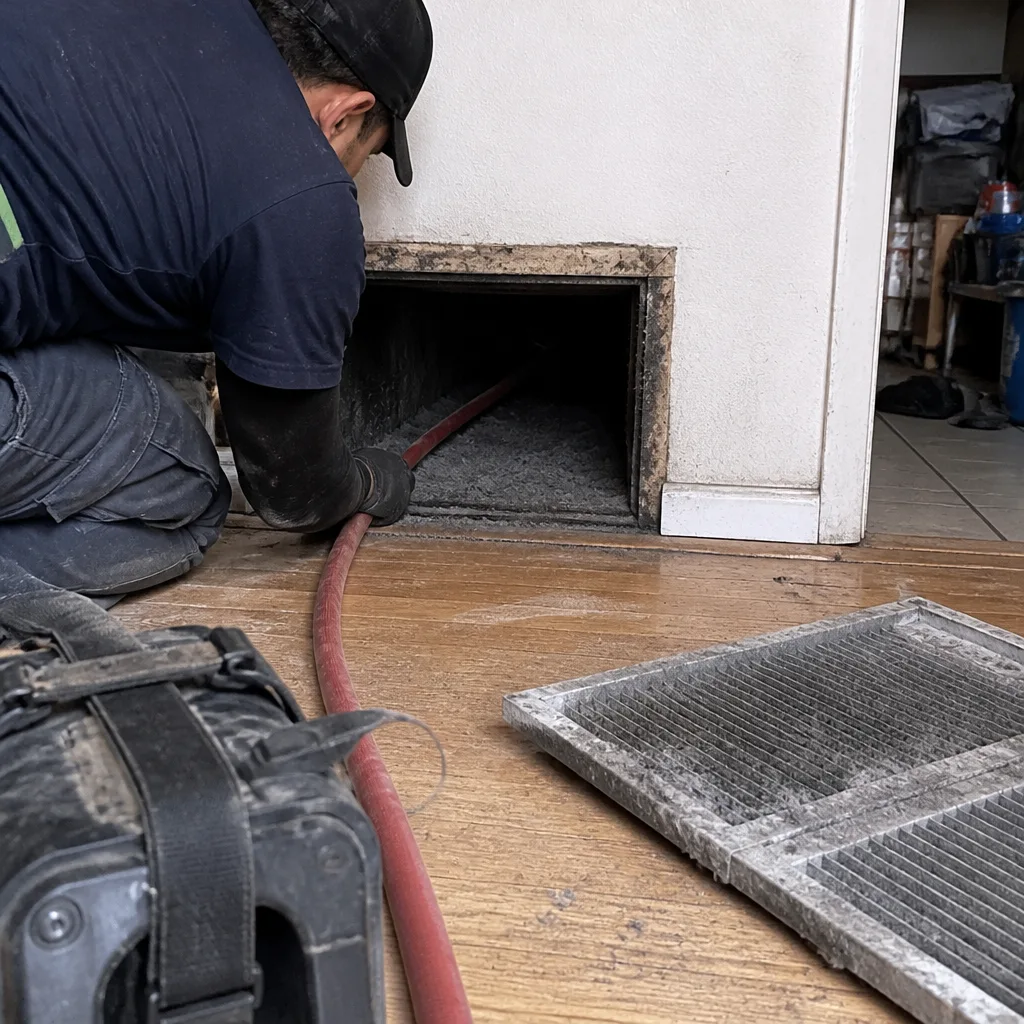 Before
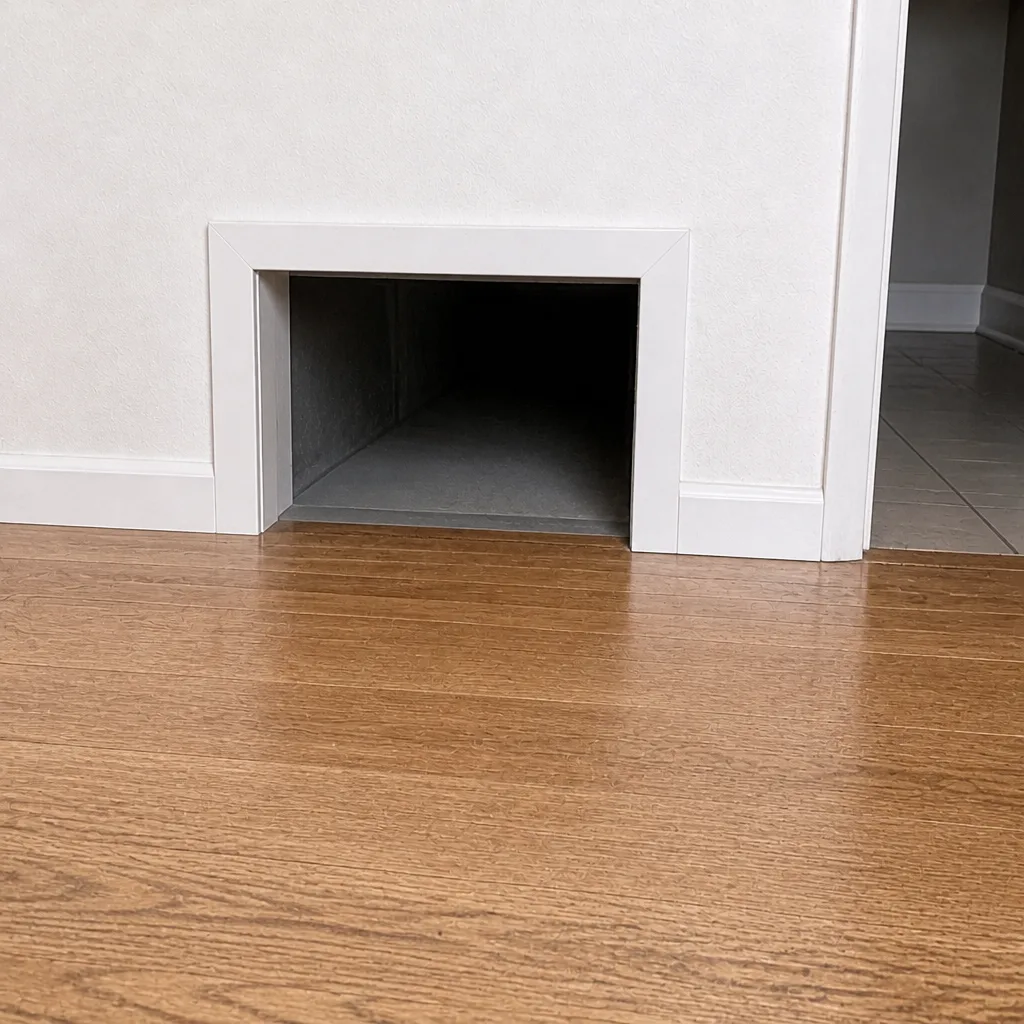 After
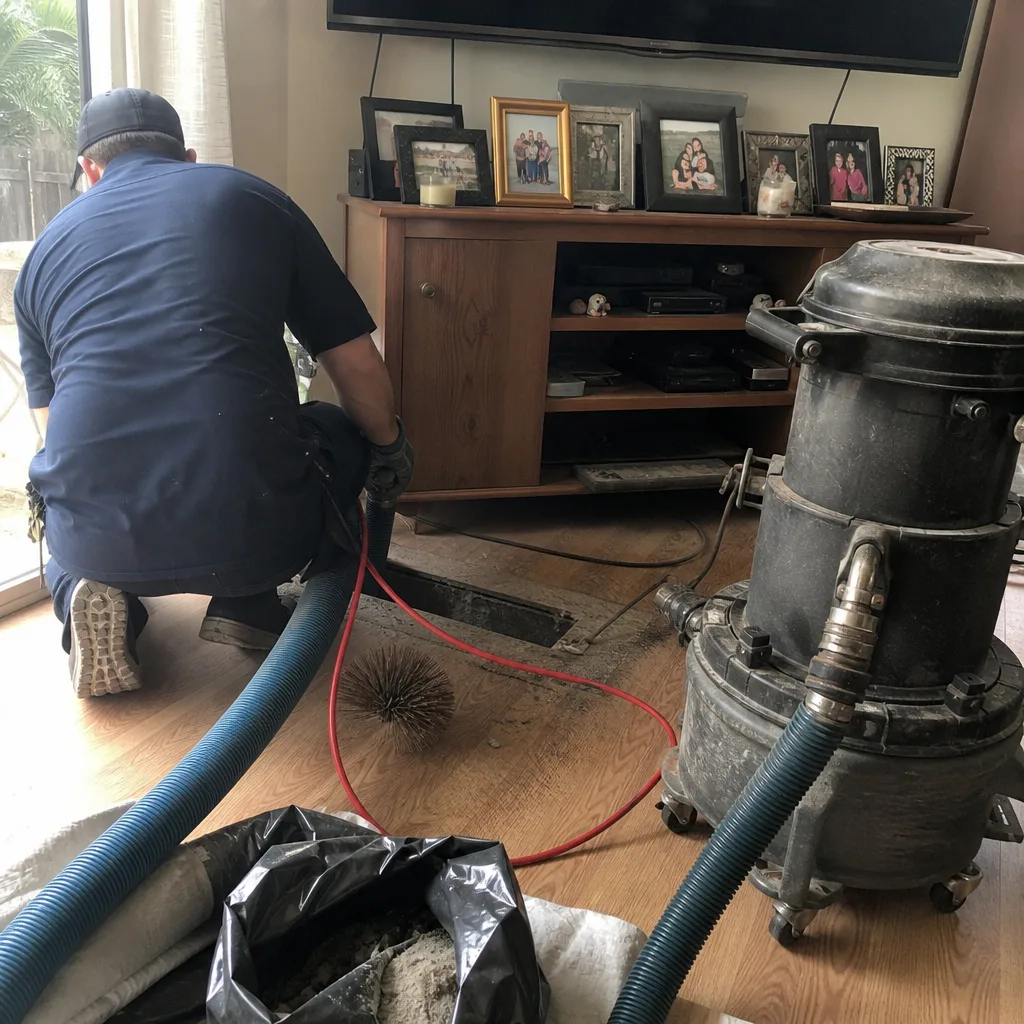 Before
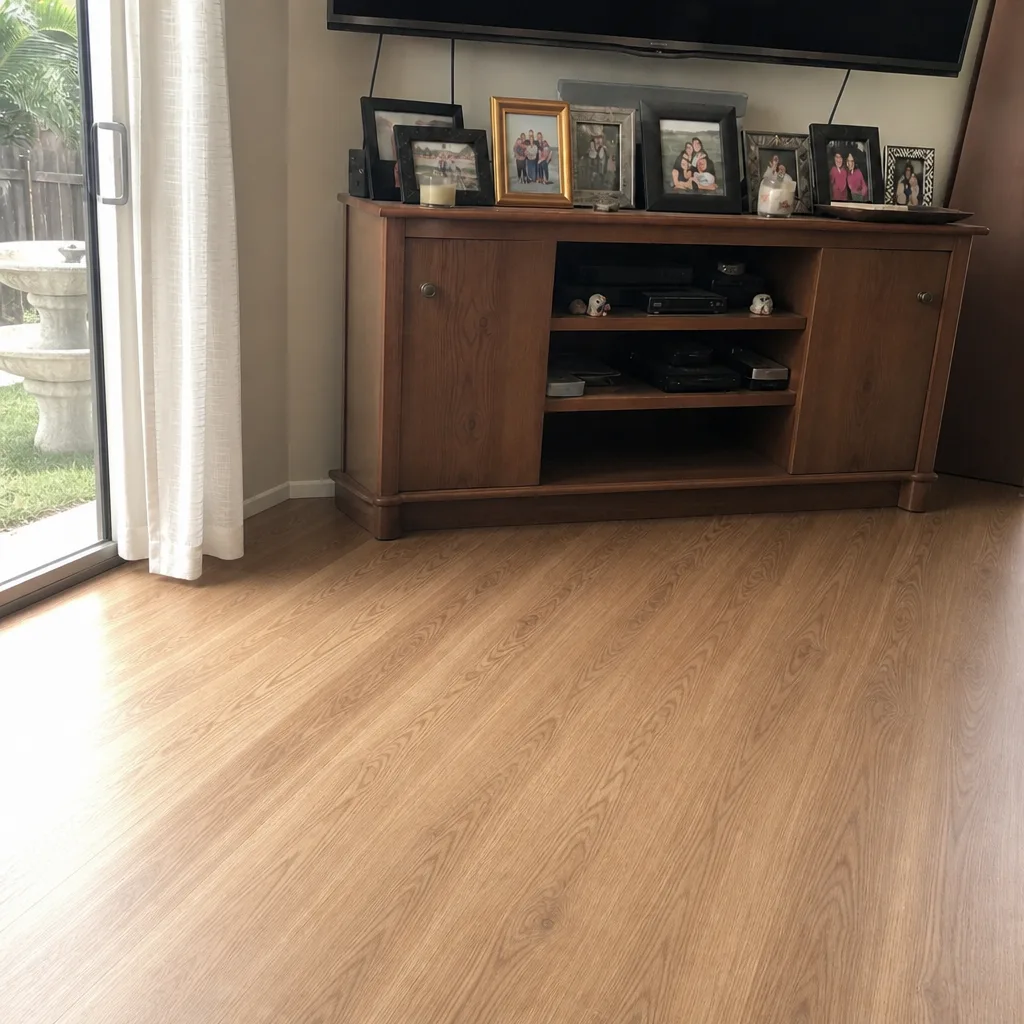 After
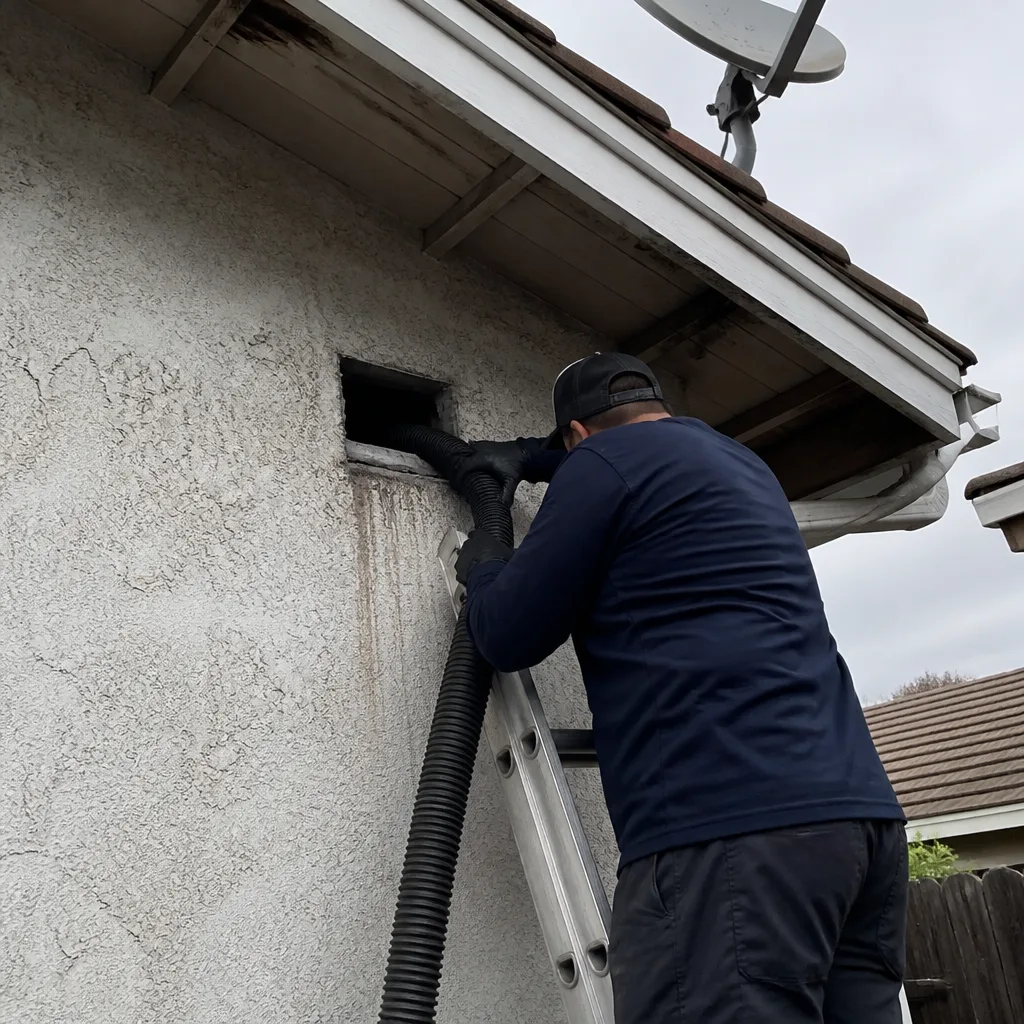 Before
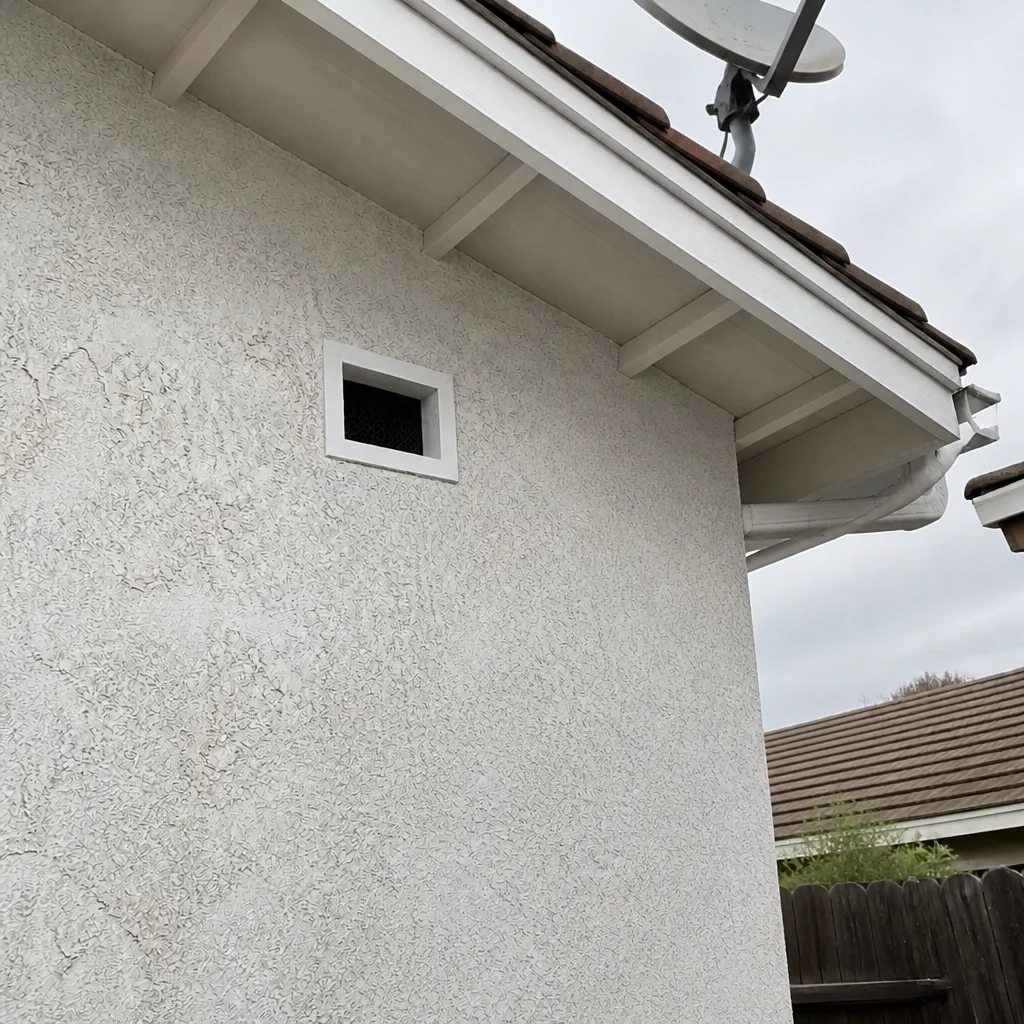 After
Frequently Asked Questions
Air duct cleaning in Fountain Valley is typically priced per system, not per vent, with the written estimate setting the final cost before any work begins. A full-system cleaning that includes the return plenum, air handler access, and all branch lines will naturally cost more than a register-level vacuum job, because it’s a different scope of work. Call (877) 358-4557 for an exact quote, estimates are free.
Cheaper quotes usually reflect narrower scope: a portable vacuum, no air handler access, and no branch line cleaning. The equipment and process differences are substantial, and a low per-vent price often expands into a larger invoice once the technician assesses the actual system. The honest comparison is between full-system quotes from companies that use professional-grade truck-mounted equipment.
Ask for before-and-after documentation. A legitimate company will show you photos or camera footage of the duct interior before and after cleaning, and will walk you through what was accessed and what was removed. If a company can’t or won’t provide this, treat that as a warning sign about the thoroughness of the work.
Most homes benefit from a full duct cleaning every three to five years, but the actual interval depends on your system, your household, and your environment. Homes with pets, recent renovations, or residents with respiratory sensitivities may need it more often. The honest answer is that your system’s condition, not a calendar, should drive the decision. Call (877) 358-4557 to talk through what your system indicates.
No. Franchise membership standardizes branding and marketing, not equipment or training. Individual franchise owners operate independently, and many use portable vacuum units that independent specialists have long since upgraded away from. The quality of the clean depends on the equipment on the truck and the technician holding the brush, not the logo on the door.
Ask whether the vacuum is truck-mounted or portable, what the CFM rating is, whether the technician accesses the air handler and evaporator coil area, whether all branch lines are included, what agitation system is used, and whether before-and-after documentation is provided. The answers to those five questions will tell you more than any review or brand name.
The Bottom Line
Choosing an air duct cleaning company in Fountain Valley should come down to equipment and scope, not advertising recognition. Ask about vacuum type and CFM rating before you book. Verify that the company accesses the full system, not just the supply registers. Read reviews for evidence of verifiable results, not polite customer service. And use a third-party assessment, whether from your own HVAC technician or your own before-and-after inspection, to confirm the work moved the needle. The right company will welcome every one of these questions. The wrong one will hope you never ask them.
Written by the team at Wellington Air Duct Cleaning, serving Fountain Valley since 2013.