
Last updated November 4, 2026
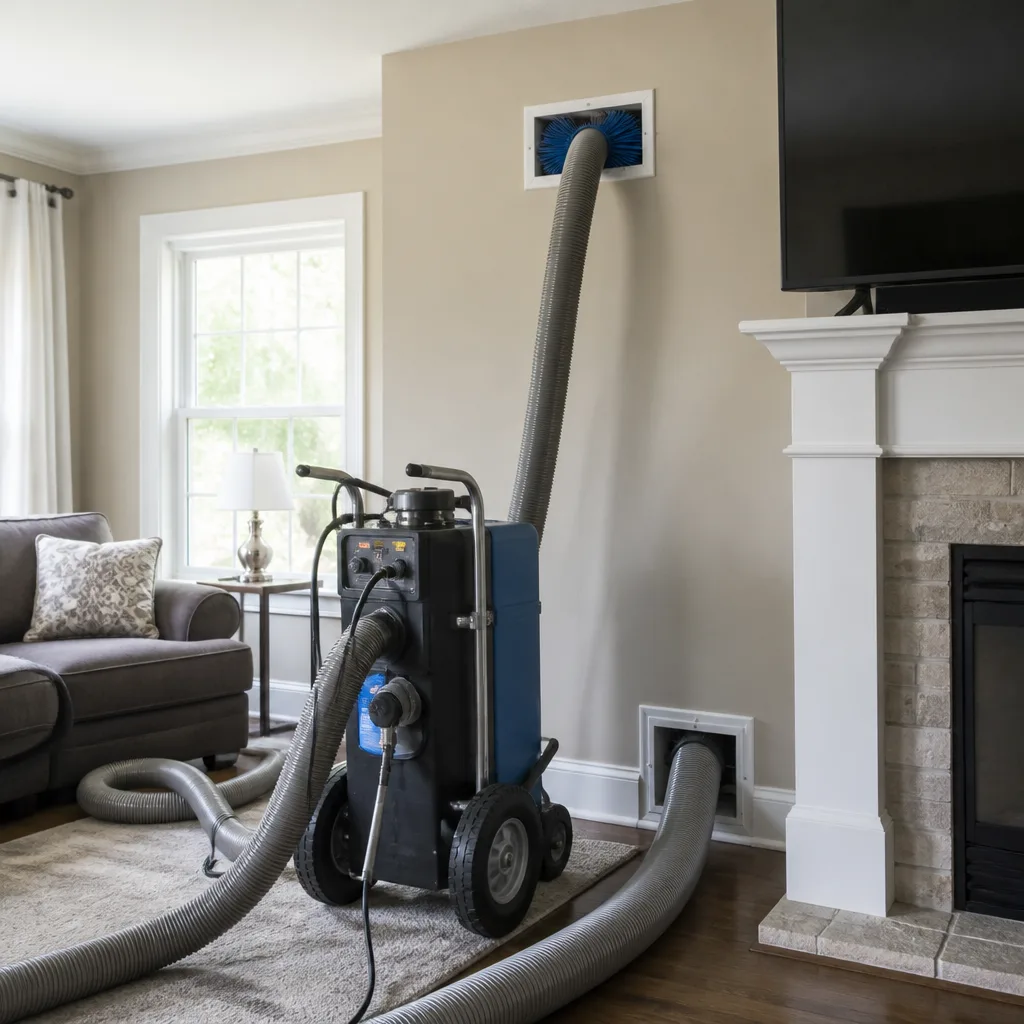 Whole-home duct cleaning
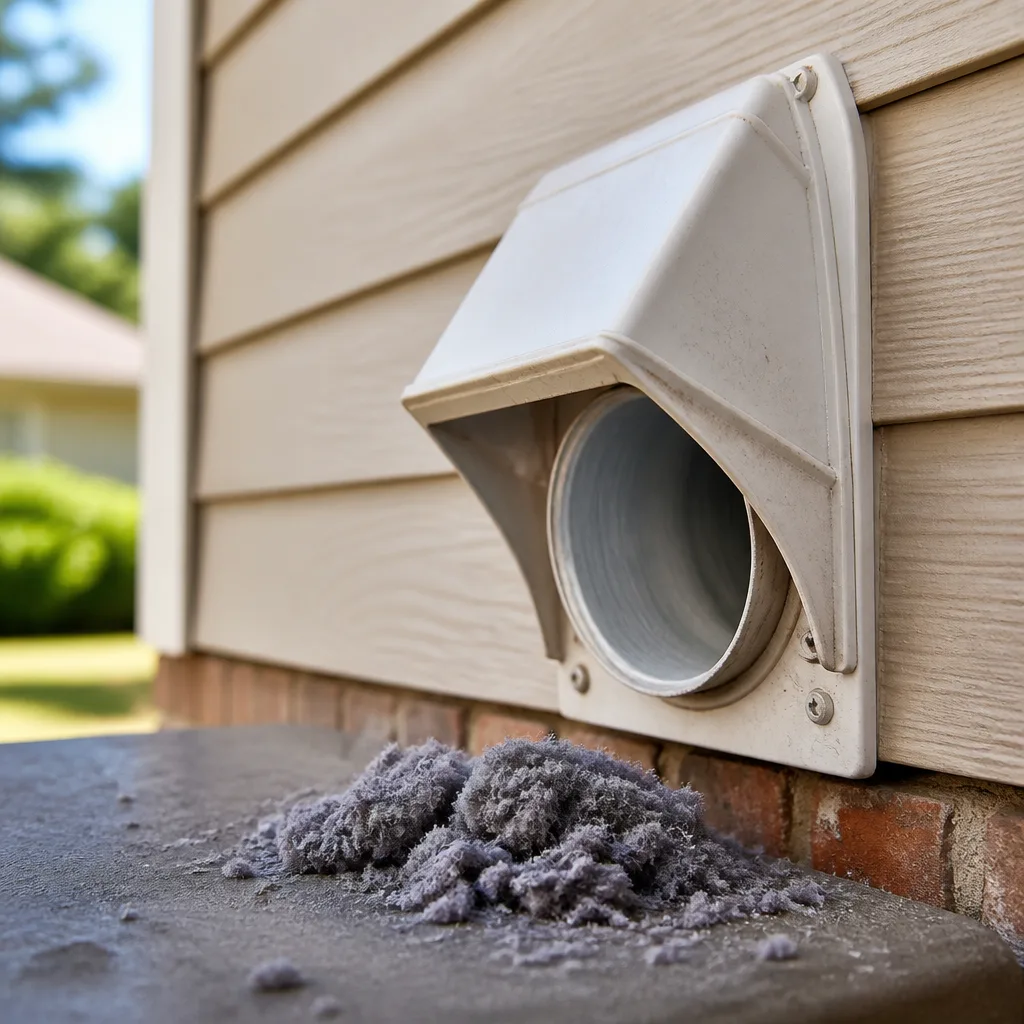 Dryer vent cleaning
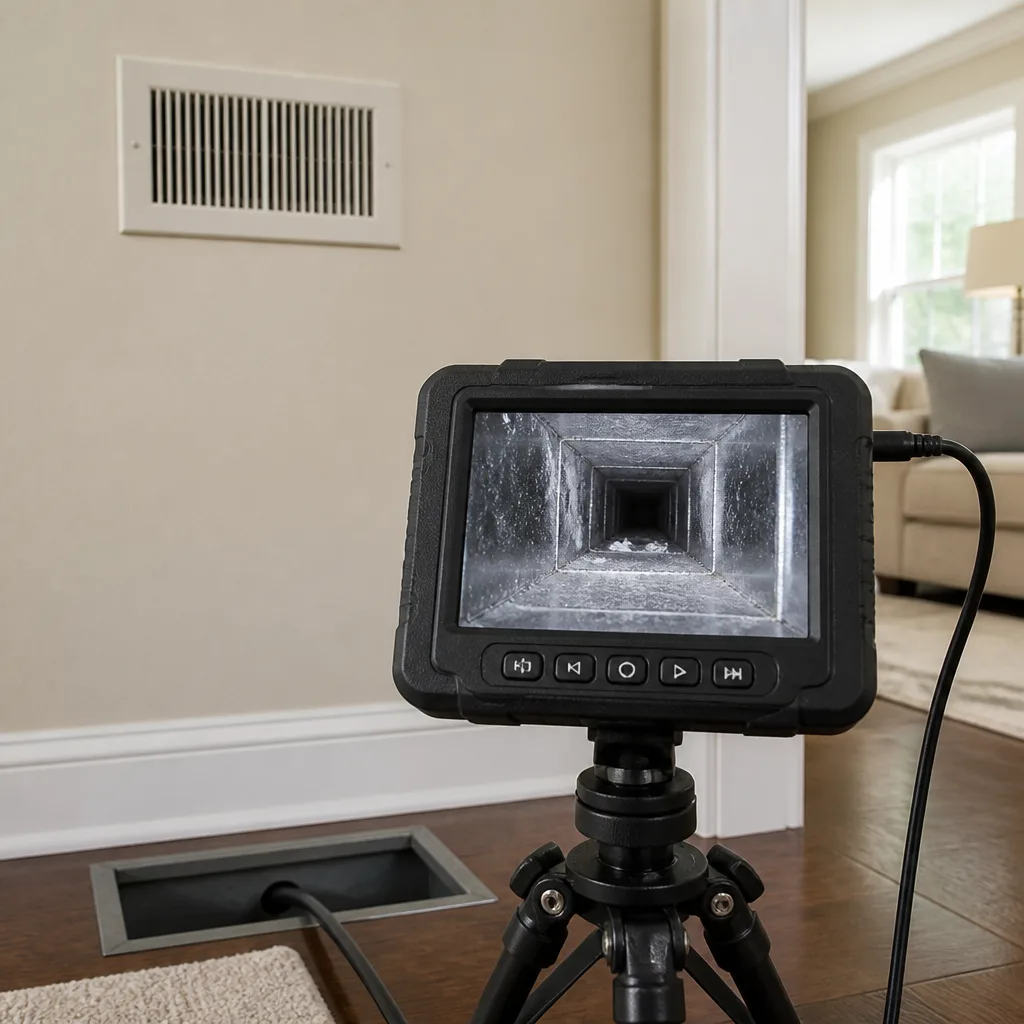 Camera inspection
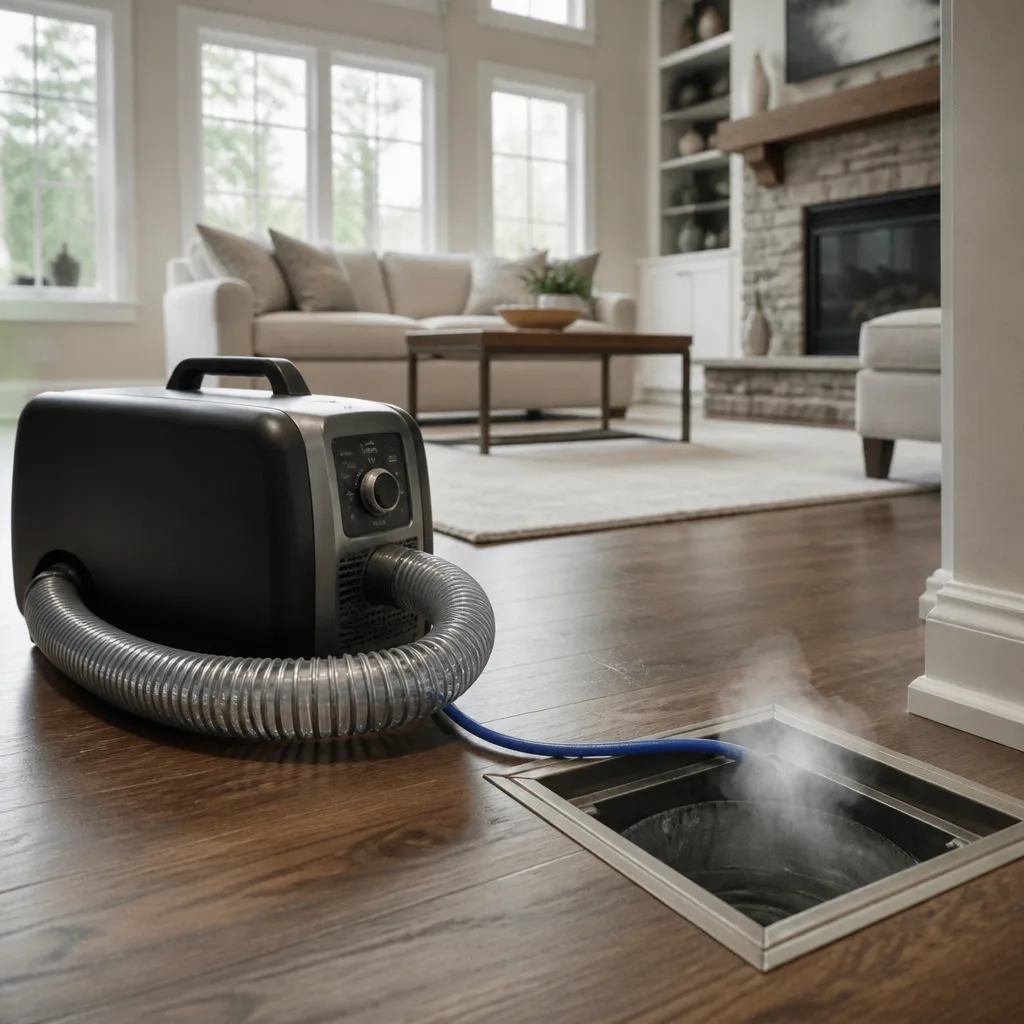 Sanitizing & deodorizing
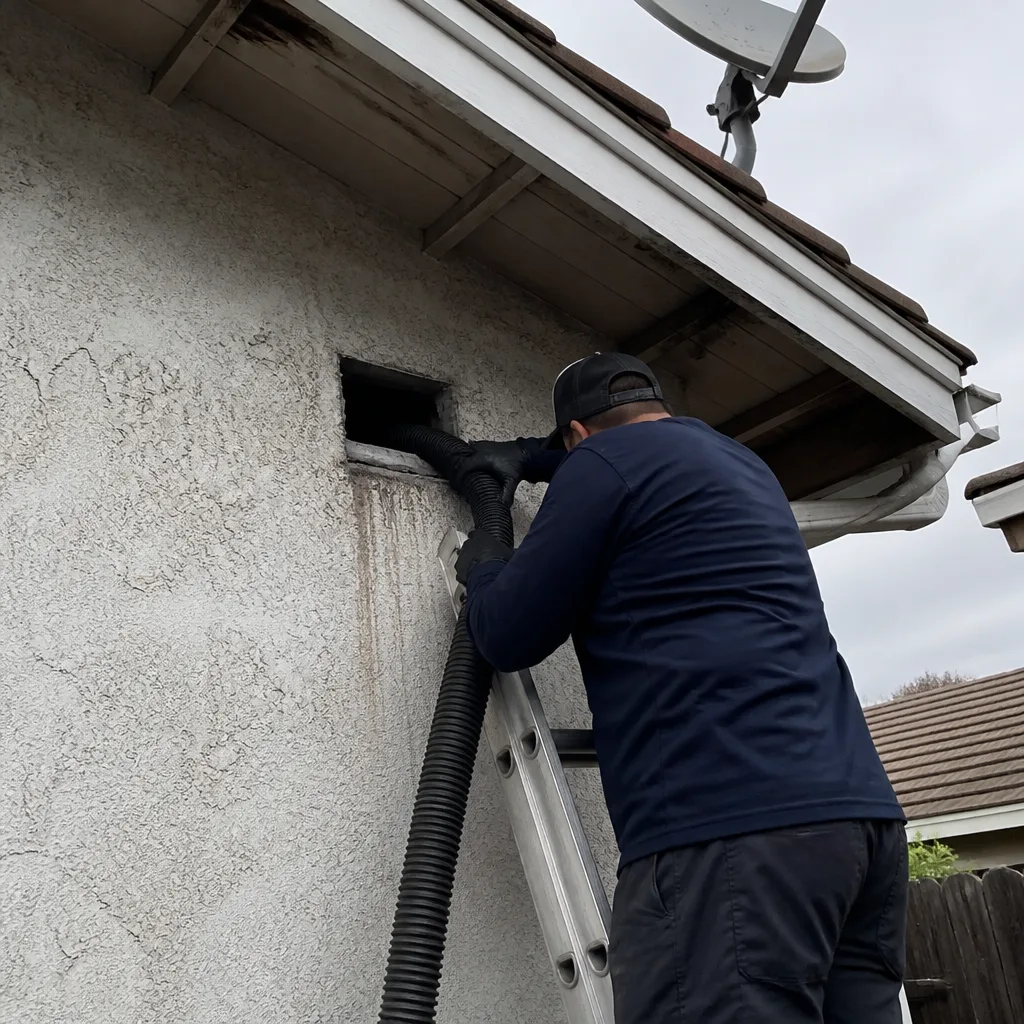
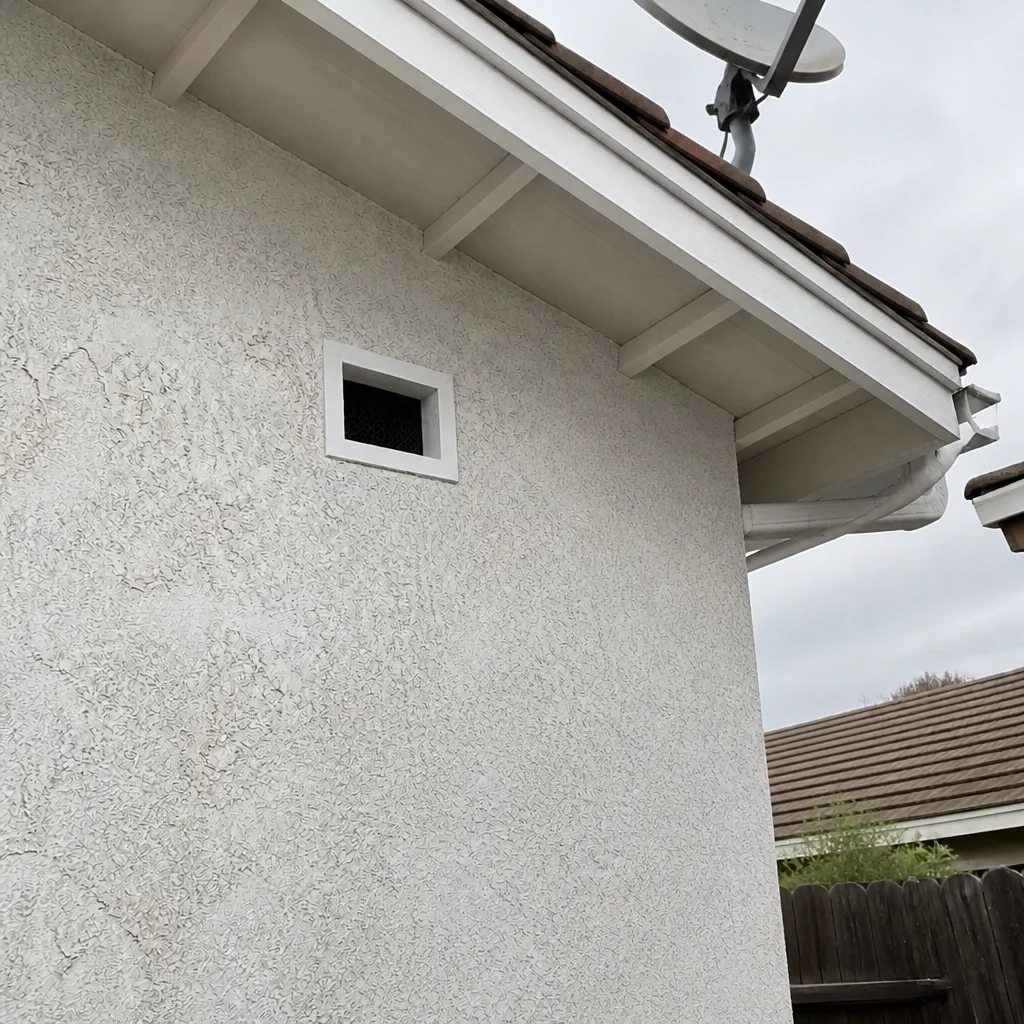
Whole-system duct and dryer vent check with before-and-after photos - you see exactly what came out of your vents
That "$99 whole-house special" is a bait ad - the real number appears once they are in your hallway, or the "clean" is a shop-vac at the register. We photograph the inside of your ducts before and after instead.
How to Hire an Air Duct Cleaning Contractor in Fountain Valley: A Step-by-Step Guide
Most people assume the risk in hiring a duct cleaner is being overcharged. It isn’t. The real risk is paying for a job that only cleans the first few feet of ductwork you can see from the register, while the trunk lines, return drops, and air handler cabinet stay coated in the same dust that was there before the van pulled up. In Fountain Valley, where homes run their air conditioning for a large portion of the year and windows stay shut against the heat, that dust doesn’t just sit there. It recirculates. This guide walks you through the technical questions, verification steps, and written-scope requirements that separate an equipment-serious specialist from a van-and-vacuum operation that shines the easy parts and ignores the rest.
Styles & brands we work with
- Whole-home duct cleaning
- Dryer vent cleaning
- Camera inspection
- Sanitizing & deodorizing
Quick Answer
To hire an air duct cleaning contractor in Fountain Valley, you need to verify three things before booking: that the company uses negative-air or push-pull equipment designed for full duct systems rather than a portable shop vacuum, that the quote documents the specific sections of ductwork to be cleaned in writing, and that you can physically inspect the work before the technician leaves. Skip any contractor who prices by the vent or can’t tell you how they’ll access the air handler. A reputable specialist will walk your system before quoting and hand you a written scope, not a coupon price.
Table of Contents
- The Real Problem: Partial Cleaning Disguised as Full Service
- Five Questions to Ask Before You Book
- How to Verify Certifications and What They Actually Mean
- What a Legitimate Pre-Job Walkthrough Looks Like
- How to Structure the Quote Comparison
- Post-Job Verification: What You Should Confirm Before They Leave
- Why Fountain Valley Homes Need a Different Standard
- Common Mistakes to Avoid
- When to Call a Professional
- Frequently Asked Questions
- The Bottom Line
The Real Problem: Partial Cleaning Disguised as Full Service
The most common duct cleaning scam in Southern California doesn’t involve fake services or bait-and-switch pricing. It involves real cleaning of only the accessible portions of the system. A technician shows up with a portable vacuum, pulls a few register covers, maybe runs a brush down the first few feet of visible duct, and calls it done. The deeper trunk lines, the return air drop, the plenum, and the air handler cabinet never get touched. The homeowner sees clean-looking register openings and assumes the whole system was serviced.
In Fountain Valley homes, where return ducts often run through warm attics and supply lines snake through interior walls, a partial clean leaves the majority of the dust exactly where it accumulates. A full-system clean requires equipment that creates negative pressure across the entire duct network, not just suction at the register face. It requires access holes cut and properly sealed at strategic points. It requires a camera scope to document what was there before and what remains after. Any contractor who skips those steps isn’t doing the same service at a lower price. They’re doing a different service entirely and calling it the same name. We’ve seen the difference it makes when a homeowner understands this before they book, not after the invoice is paid.
Five Questions to Ask Before You Book
These five questions are designed to reveal whether a contractor actually cleans the full system or just the registers and visible trunk lines. Ask them directly. The answers, or the hesitations, will tell you everything you need to know.
- “What equipment do you use, and will it create negative pressure across my entire duct system?” A legitimate answer names specific equipment: Rotobrush systems, Nikro negative-air machines, or similar truck-mounted or portable HEPA-filtered units designed for full-system cleaning. A weak answer says “a powerful vacuum” or “special brushes.” If they can’t name the tool, they don’t have one worth naming.
- “Will you clean the air handler cabinet, the plenum, and the return drop, or just the supply and return registers?” The air handler is where the blower pulls air across the coil and pushes it through the supply side. If that cabinet isn’t opened, cleaned, and documented, the job is cosmetic. A legitimate contractor will confirm each section in writing.
- “How do you access the ductwork to clean the branches and trunk lines?” Full-system cleaning requires access points cut into the ductwork at intervals. The technician should explain where they’ll cut, how they’ll clean, and how they’ll seal each access point afterward. If the answer is “through the registers only,” you’re getting a partial clean.
- “Do you use a camera scope to document the before and after condition?” A professional-grade operation runs a scope before the job to establish a baseline and after the job to prove the work. If they don’t offer this, you have no way to verify the deeper sections were touched. Before-and-after photos of your own ducts are the single strongest verification tool you can ask for.
- “Can you repair duct damage if you find it during the cleaning?” This question reveals whether they’re a cleaning-only operation or a full-system specialist. Our team at Wellington Air Duct Cleaning provides air duct repair alongside cleaning, which means a torn flex duct, a separated seam, or a crushed section gets fixed rather than vacuumed around. A contractor who doesn’t mention repair capability isn’t looking at the system holistically.
These questions work in Fountain Valley and anywhere else. The point isn’t to interrogate the contractor. It’s to confirm they’re operating with professional equipment and a documented scope before they set foot in your house.
How to Verify Certifications and What They Actually Mean
NADCA, the National Air Duct Cleaners Association, is the primary industry body for duct cleaning. Membership and certification are worth verifying, but they’re not a guarantee of quality on their own. Here’s what to check and what it actually certifies.
First, verify the membership directly. NADCA maintains a public directory of member companies. If a contractor claims NADCA certification, look them up. Don’t take a logo on a website at face value. Certification means the company has at least one ASCS-certified technician who passed a written exam on cleaning methodology, safety, and system design. It certifies knowledge, not equipment. A certified technician with inadequate equipment is still going to produce an inadequate result.
Second, ask what the certification covers. ASCS certification is about the process of cleaning HVAC systems to NADCA standards. It doesn’t certify that the company owns professional-grade equipment, that it uses negative-air machines rather than shop vacuums, or that it documents its work with camera scopes. Those are equipment and process choices that vary between certified companies.
Third, look for evidence of ongoing education. The duct cleaning industry changes as building codes and equipment standards evolve. Equipment from brands like Rotobrush and Nikro updates regularly. A technician who trained once ten years ago and never again isn’t working at the same level as one who tests new tools as they come to market. Ask when the technician last completed training on the specific equipment they’ll use in your home. This is where specialization shows. Companies that only clean ducts invest in duct-cleaning equipment. Generalist HVAC operations that offer duct cleaning as an add-on often run the same technician who services compressors and coils, with the same portable vacuum that lives on the truck.
What a Legitimate Pre-Job Walkthrough Looks Like
A legitimate air duct cleaning contractor walks your system before quoting. No exceptions. If someone gives you a price over the phone without seeing the house, that price is a guess, and guesses get adjusted upward once the technician arrives. Here’s what a proper walkthrough includes.
System Mapping
The technician should identify every supply register, every return grille, the air handler location, and the path of the main trunk lines. In Fountain Valley, where many homes are single-story with attic-mounted air handlers, this means climbing into the attic to see how the ducts run. A technician who never looks in the attic hasn’t actually assessed the system.
Access Point Identification
Full-system cleaning requires access. The technician should walk you through exactly where they’ll create access points: typically one at the supply plenum, one at the return plenum, and sometimes additional points along long trunk runs. Each access point should be identified before the job begins, with a plan for sealing it afterward. You should know exactly how many holes will be cut, where, and how they’ll be closed.
Camera Scope Baseline
A professional walkthrough includes running a camera scope through a few key sections: the return drop, the supply trunk, and at least one branch line. This establishes what the ductwork looks like before cleaning. It also reveals whether the ducts need cleaning at all. A legitimate contractor will tell you if your ducts don’t need the service. That honesty is a sign you’re talking to a specialist, not a salesperson.
Written Scope Documentation
The walkthrough ends with a written scope of work. This document lists every section of the system to be cleaned, the access points to be created and sealed, the equipment to be used, and the price for the job as documented. In Fountain Valley, this level of documentation separates the professionals from the drive-by operators who quote low and bill high.
How to Structure the Quote Comparison
The wrong way to compare duct cleaning quotes is by total price. The right way is by scope of work documented in writing. Here’s how to set up a comparison that actually tells you something useful.
Request Identical Scopes
Get each contractor to list the specific sections they’ll clean: all supply ducts, all return ducts, the air handler cabinet, the blower, the coil, the supply and return plenums. If one quote includes the air handler and another doesn’t, the prices aren’t comparable. The difference isn’t savings. It’s scope.
Ask About Equipment in Writing
Have each contractor name their equipment on the quote or in a follow-up email. Rotobrush, Nikro, or an equivalent negative-air system indicates a full-system clean. A vague “professional equipment” line is a red flag. The equipment determines how much of the duct surface actually gets contacted and removed. A brush system physically agitates the duct walls. Negative air captures the dislodged debris. A shop vacuum does neither at any meaningful depth.
Compare Access Point Plans
Ask each contractor to state how many access points they’ll create and where. A quote that says “cleaned through existing registers” is scoping a partial job. A quote that specifies access at the supply plenum, return plenum, and trunk line is scoping a full job. The price difference makes sense when you see the scope difference on paper.
Look for Repair Capability
During a full-system clean, technicians encounter damaged ducts: disconnected seams, crushed flex runs, torn insulation. If the contractor offers air duct repair, they can fix what they find. If they can’t, they’ll either ignore it or tell you to call an HVAC company. Wellington’s scope includes repair because cleaning a duct with a gaping hole in it is pointless. Air leaks out and dust keeps pouring in. It’s a core part of what we do, not an upsell.
Ignore Per-Vent Pricing
Any quote structured per vent is a red flag. Duct systems aren’t priced by the register count. They’re priced by the linear footage of ductwork, the number of access points required, and the time involved. Per-vent pricing is a tactic to disguise a low headline number that balloons once the technician is in your home. A legitimate quote is a flat price per system, agreed before work starts, based on the documented scope.
Post-Job Verification: What You Should Confirm Before They Leave
The job isn’t done when the technician says it’s done. It’s done when you’ve verified it. Here’s a step-by-step checklist for the end of any duct cleaning job in Fountain Valley.
- Walk the access points. Every access point that was cut should be sealed, painted if necessary, and airtight. Run your hand along the seal. It should be smooth and solid. Ask to see each one.
- Review the after photos or scope footage. A professional job includes documentation. The technician should show you camera scope footage or before-and-after photos of the air handler, the return drop, and at least one trunk line section. You should see a visible difference. If they can’t show you the deeper sections, assume they weren’t cleaned.
- Check the air handler cabinet. This is the single most important section to verify. Open the access panel yourself and look inside. The blower, coil, and cabinet walls should be visibly cleaner. If the cabinet wasn’t opened during the job, the core of your system was skipped.
- Feel the airflow. Run the system in fan-on mode. You should feel steady airflow from every register. If airflow is weak in one room, a duct may have been disconnected or crushed during the cleaning. Report it immediately.
- Ask what was repaired. If the contractor offers air duct repair, ask what they found and what they fixed. A legitimate technician will have a list: a separated seam reconnected, a crushed flex section replaced, a loose fitting re-secured. No findings at all is unusual in a home that hasn’t been cleaned in years.
Verification takes ten minutes. It’s the difference between trusting a sales pitch and confirming a job was actually done. A contractor who rushes this step or can’t produce documentation of the deeper sections is telling you something important.
Why Fountain Valley Homes Need a Different Standard
Fountain Valley runs air conditioning for much of the year. Temperatures climb into the 80s and 90s through the summer and shoulder seasons, and the cooling season stretches far longer than in coastal-adjacent communities. That means the duct system is actively moving conditioned air through the house for hundreds of hours annually. Dust that accumulates in the ducts doesn’t sit dormant. It’s disturbed every time the blower kicks on, carried through the supply registers and into the living space.
Homes in Fountain Valley were built in several major waves, from 1960s ranch-style houses to 1990s and early-2000s subdivisions. The older housing stock often has original ductwork that’s been repaired, patched, or partially replaced over the decades. Flex duct in attic spaces degrades with heat and age. Connections loosen. Return ducts pull attic air when seals fail. A cleaning job on a 40-year-old duct system in Fountain Valley is a different job than on a ten-year-old system. It requires more access points, more repair work, and more care with the materials involved.
The local climate also affects what ends up in the ducts. Fountain Valley sits inland enough to see dry, dusty conditions through the summer and fall months. Windows stay closed during the cooling season, which means the HVAC system is the primary source of air movement in the home. Any dust that enters the return side, whether from cooking, pets, or daily activity, cycles through the ducts continuously. A partial cleaning removes only what’s reachable from the register openings. A full-system cleaning removes what’s accumulated in the trunk lines, return drops, and air handler cabinet where most of the buildup actually sits.
This is why we recommend Fountain Valley homeowners ask harder questions before booking. The standard that works for a rarely-used heating system in a mild coastal climate doesn’t match what a heavily-used cooling system in this diy climate needs.
Common Mistakes to Avoid
- Booking based on a coupon or mailed flyer. A low teaser price is designed to get a technician to your door, where the scope magically expands. In Fountain Valley, serious duct cleaning specialists don’t run coupon campaigns because they don’t need a foot-in-the-door to sell a real job. If the price sounds too low for a full-system clean, it isn’t a full-system clean.
- Accepting a phone quote without a walkthrough. No legitimate contractor can price your duct system without seeing it. Attic access, duct layout, system age, and accessibility all affect the job. A phone quote is a placeholder number. The written estimate after a walkthrough is the price.
- Hiring a generalist HVAC company for duct cleaning. A company that installs furnaces and services compressors may offer duct cleaning as an add-on service, but it’s rarely their core competence. The equipment they bring is often the same portable vacuum they use on other jobs. A dedicated duct cleaning specialist runs professional-grade tools built specifically for this work. The difference in results is visible.
- Skipping the air handler cabinet. Some homeowners focus on register cleaning and accept a technician’s claim that the cabinet is “fine.” The air handler is where the blower sits, where air turns from return to supply, and where dust and debris accumulate most heavily. If that section isn’t opened and cleaned, the job is incomplete no matter how clean the registers look.
- Not documenting the before condition. Ask for camera scope footage before the job starts. Without a baseline, you can’t prove the work was done. A contractor who won’t run a scope before they clean is either hiding the condition of your ducts or planning to do a minimal job.
- Assuming all quotes cover the same scope. A $300 quote and a $700 quote aren’t the same service at different prices. They’re almost certainly different scopes. The lower quote probably skips the air handler, the return drop, or the deep trunk lines. Compare documented scopes, not totals.
- Ignoring the dryer vent. Many homeowners assume dryer vent cleaning is part of duct cleaning. It isn’t. It’s a separate service with its own safety implications. We treat dryer vent cleaning as a dedicated service because a clogged dryer vent is a documented residential fire hazard. Ask whether the contractor cleans dryer vents and whether it’s included or a separate line item.
When to Call a Professional
Call a duct cleaning professional if you’re seeing dust accumulate on surfaces shortly after cleaning, if your allergies flare up when the HVAC system runs, or if you notice a musty odor that comes and goes with the blower cycle. Call if you’ve recently completed a renovation, especially drywall work, which fills ducts with fine dust that recirculates for months. Call if you’ve never had the ducts cleaned in a home you’ve lived in for more than a few years, or if a previous cleaning didn’t include documentation of the air handler. And call if your dryer takes more than one cycle to dry a normal load, a classic sign the vent is clogged. Wellington Air Duct Cleaning offers free estimates in Fountain Valley. Call (877) 358-4557. We answer 24/7. Fast dispatch from 7am to 7pm.
Frequently Asked Questions
Air duct cleaning in Fountain Valley typically runs several hundred dollars for a full-system clean of an average single-family home, with the final price depending on the number of access points required, the system’s age and layout, and whether repair work is needed. The written estimate after a walkthrough sets the price. Be wary of quotes far below that range, as they usually cover only register-level cleaning. Call (877) 358-4557 for an exact quote based on a walkthrough of your system. Estimates are free.
Verify their equipment, their documentation, and their certification claims directly rather than taking a website or logo at face value. Check NADCA membership in the public directory. Ask what equipment they use by name, whether they clean the air handler cabinet, and whether they document the work with camera scopes. A contractor who can answer these questions clearly and in writing is operating at a professional level.
Cheaper quotes almost always represent a smaller scope of work. A low price typically covers cleaning only the visible register openings and the first few feet of duct, skipping the air handler, return drop, and deep trunk lines. Some operators use per-vent pricing to disguise a partial clean as a full service. Compare written scopes, not total prices, to understand what you’re actually paying for.
You should be able to physically confirm the work before the technician leaves. Review camera scope footage or before-and-after photos of the air handler, return drop, and trunk lines. Open the air handler cabinet and look inside. Check that every access point is sealed properly. If the contractor can’t show you the deeper sections, assume they weren’t cleaned.
Most homes benefit from a full-system cleaning every three to five years, though homes with pets, recent renovations, or allergy-sensitive occupants may need it more frequently. Fountain Valley’s long cooling season means the system runs many hours annually, which accelerates dust accumulation in the ductwork. After a major renovation, cleaning should happen as soon as the construction dust settles.
Even newer homes accumulate dust in the duct system, especially during construction and the first years of occupancy. Drywall dust, insulation fibers, and general household debris circulate through the ducts from day one. A professional walkthrough with a camera scope can tell you definitively whether your system needs cleaning or not. A reputable contractor will show you the condition and let you decide based on what you see.
The Bottom Line
Hiring a duct cleaning contractor in Fountain Valley comes down to documenting scope, verifying equipment, and confirming the work yourself before the technician leaves. Ask the five revealing questions before booking. Check certifications directly, not from a website badge. Demand a walkthrough that maps your system and establishes a camera scope baseline. Compare quotes by documented scope, not total price. And after the job, open the air handler cabinet, review the after footage, and check every access point. The contractor who embraces this standard is the one worth hiring. The one who resists it isn’t. If you want a specialist who works with professional-grade Rotobrush and Nikro equipment, provides written scopes, and documents every section of the job, call Wellington Air Duct Cleaning at (877) 358-4557 for a free estimate in Fountain Valley.
Written by the team at Wellington Air Duct Cleaning, serving Fountain Valley since 2013.
See the difference
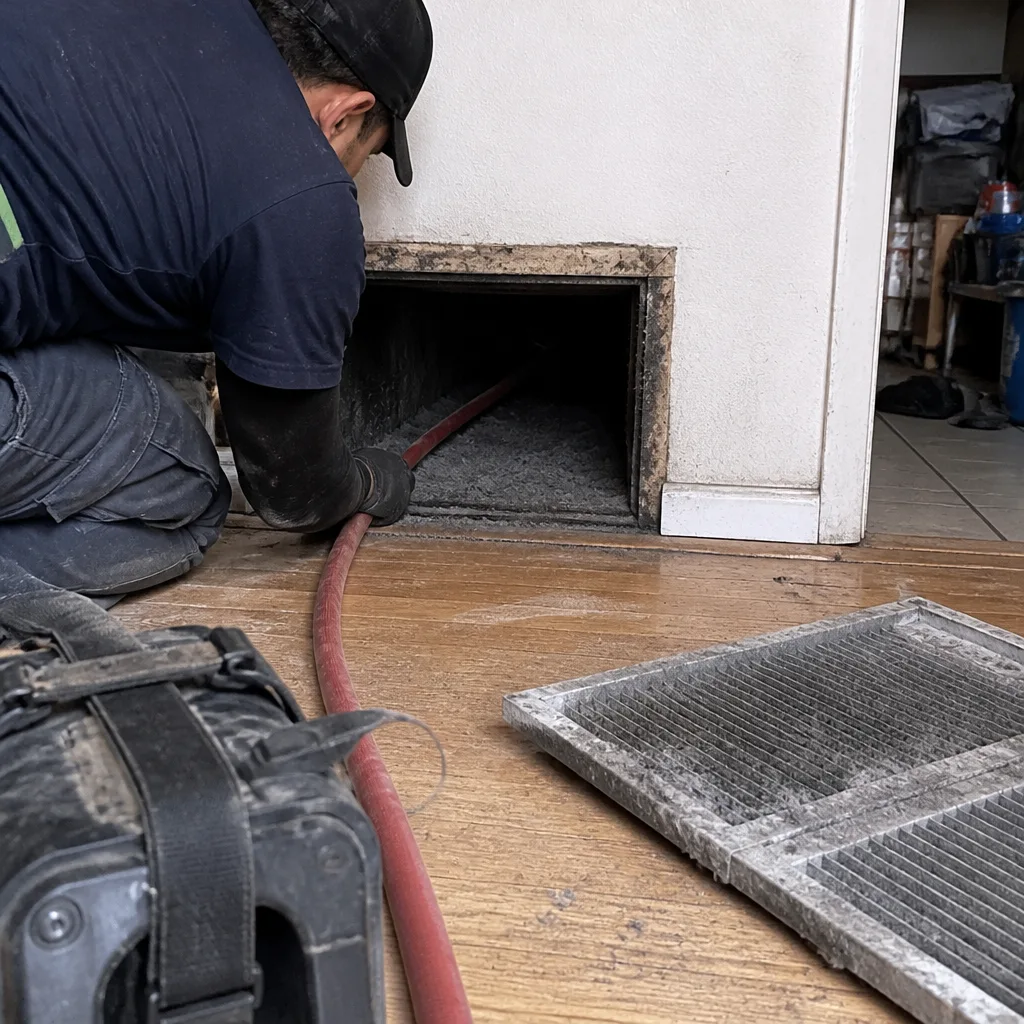 Before
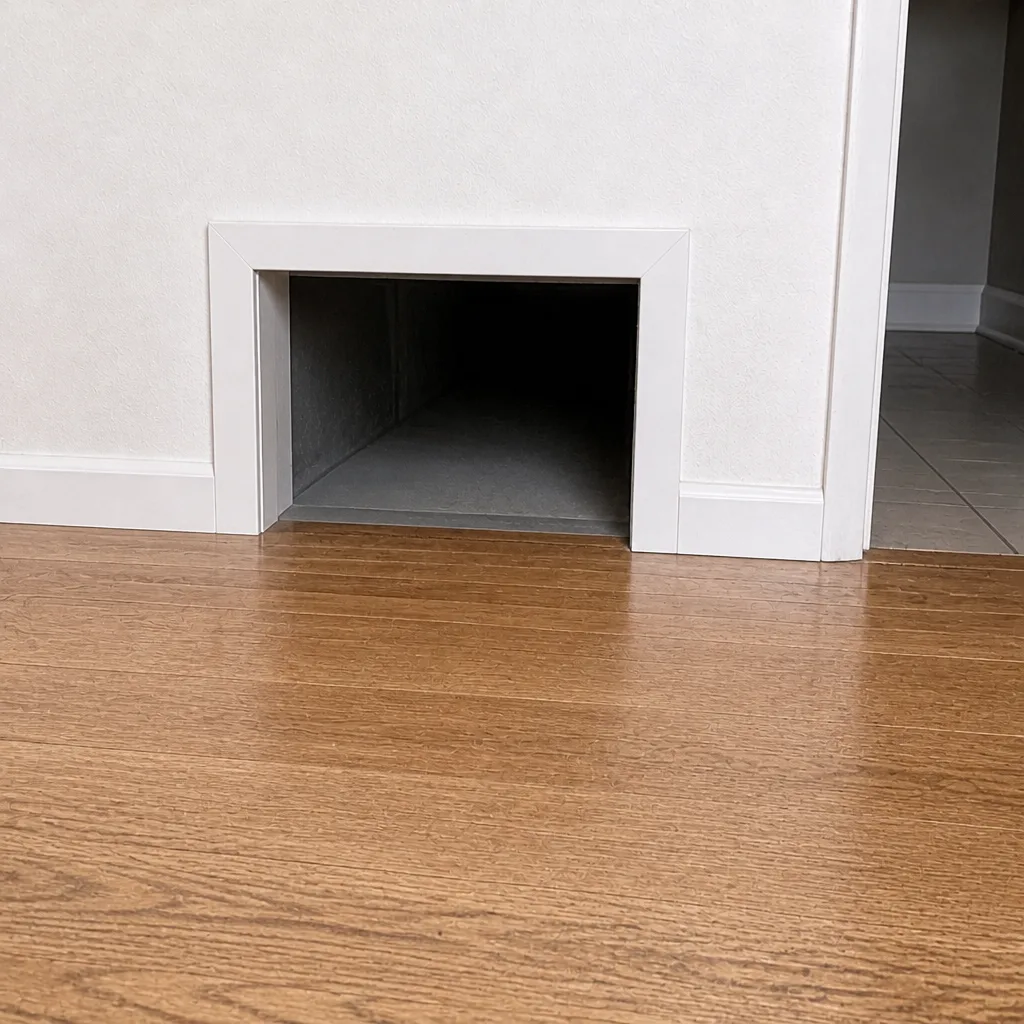 After
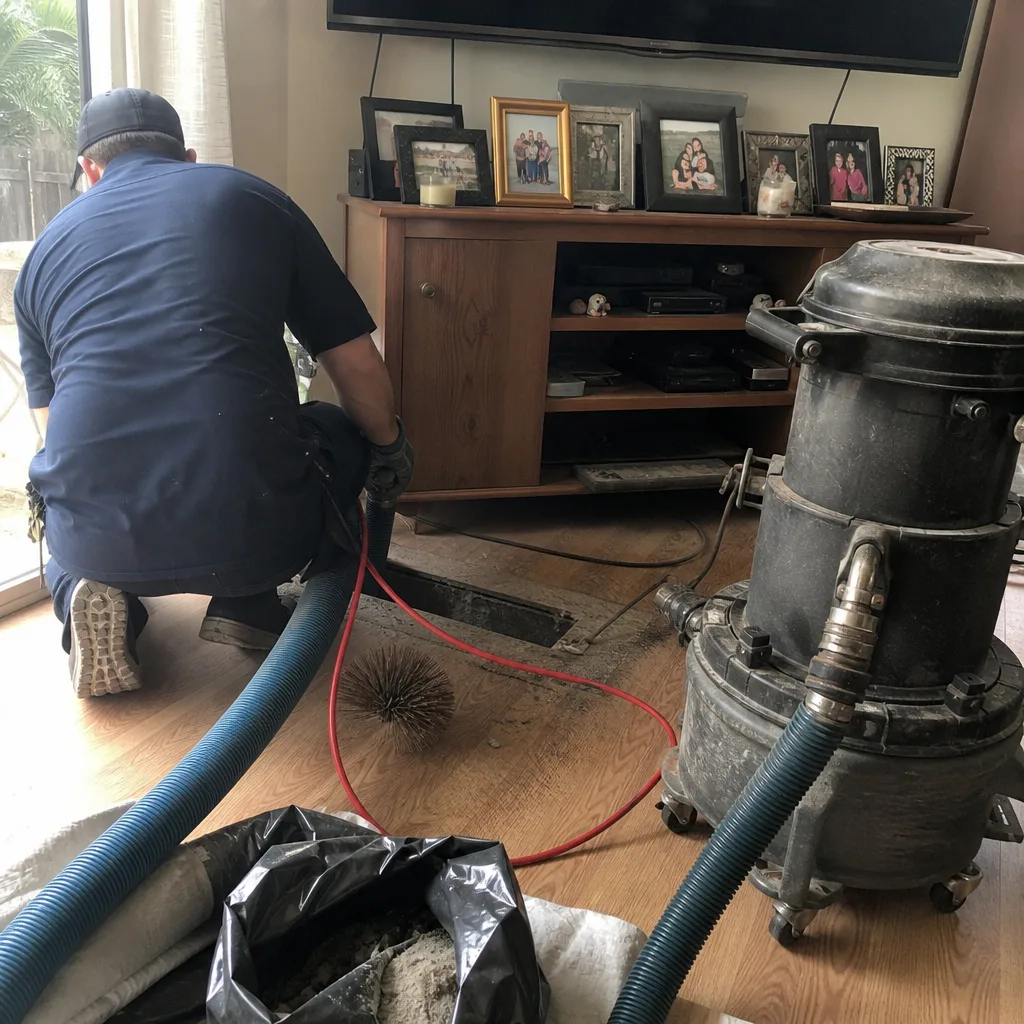 Before
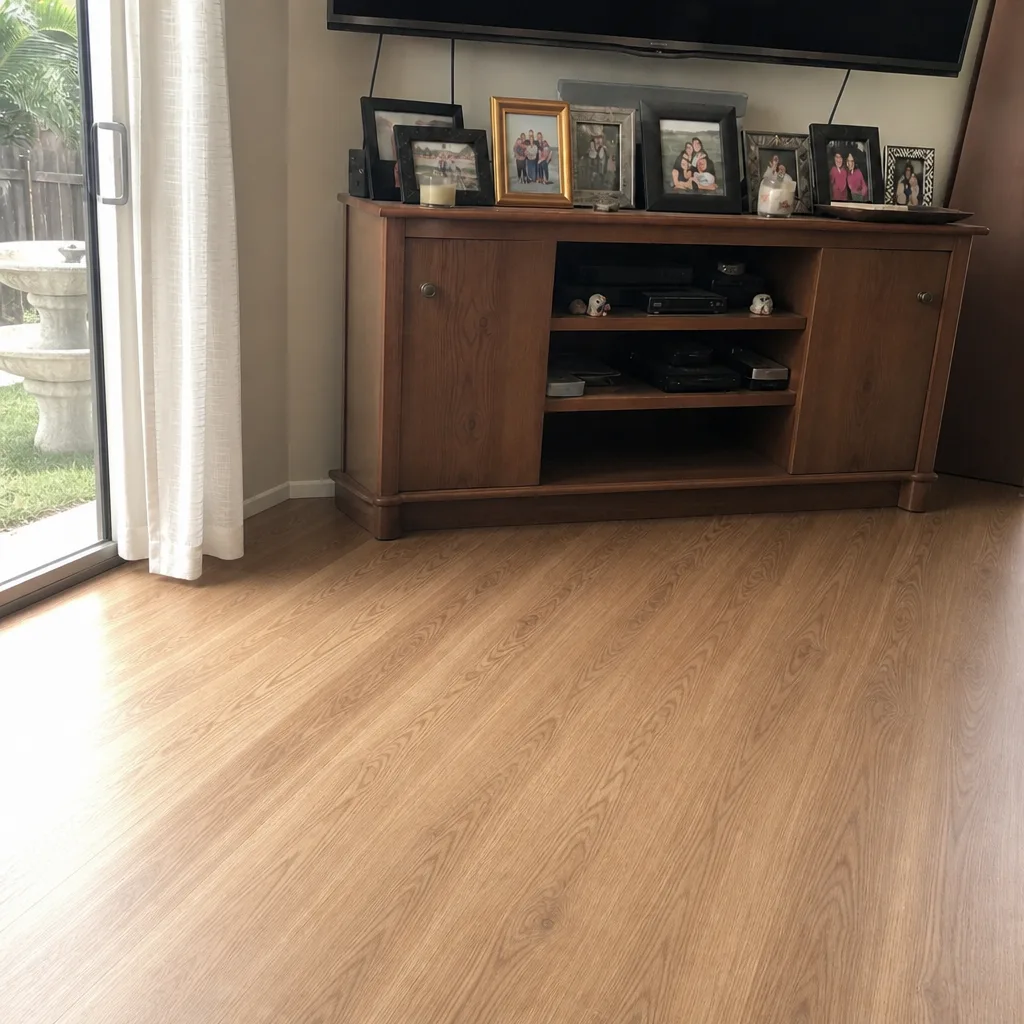 After
 Before
 After