
Last updated November 4, 2026
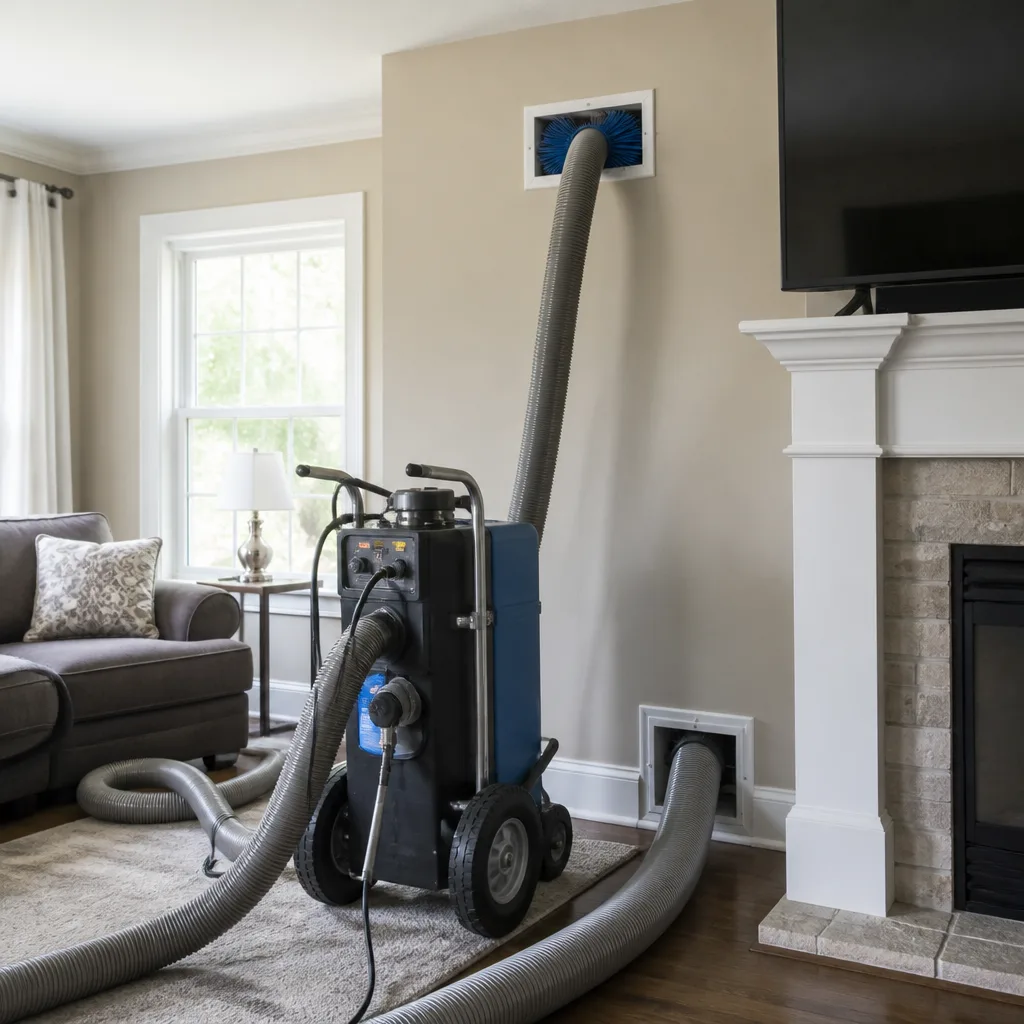 Whole-home duct cleaning
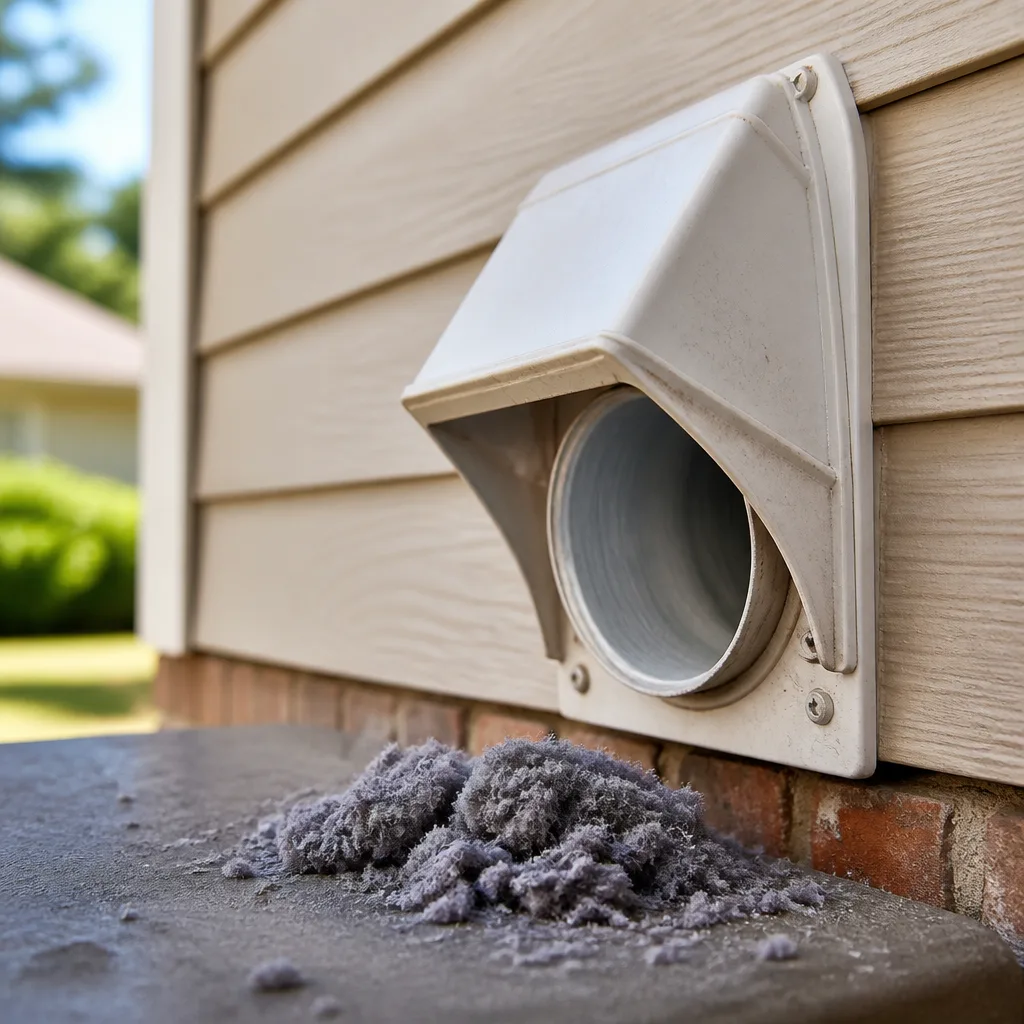 Dryer vent cleaning
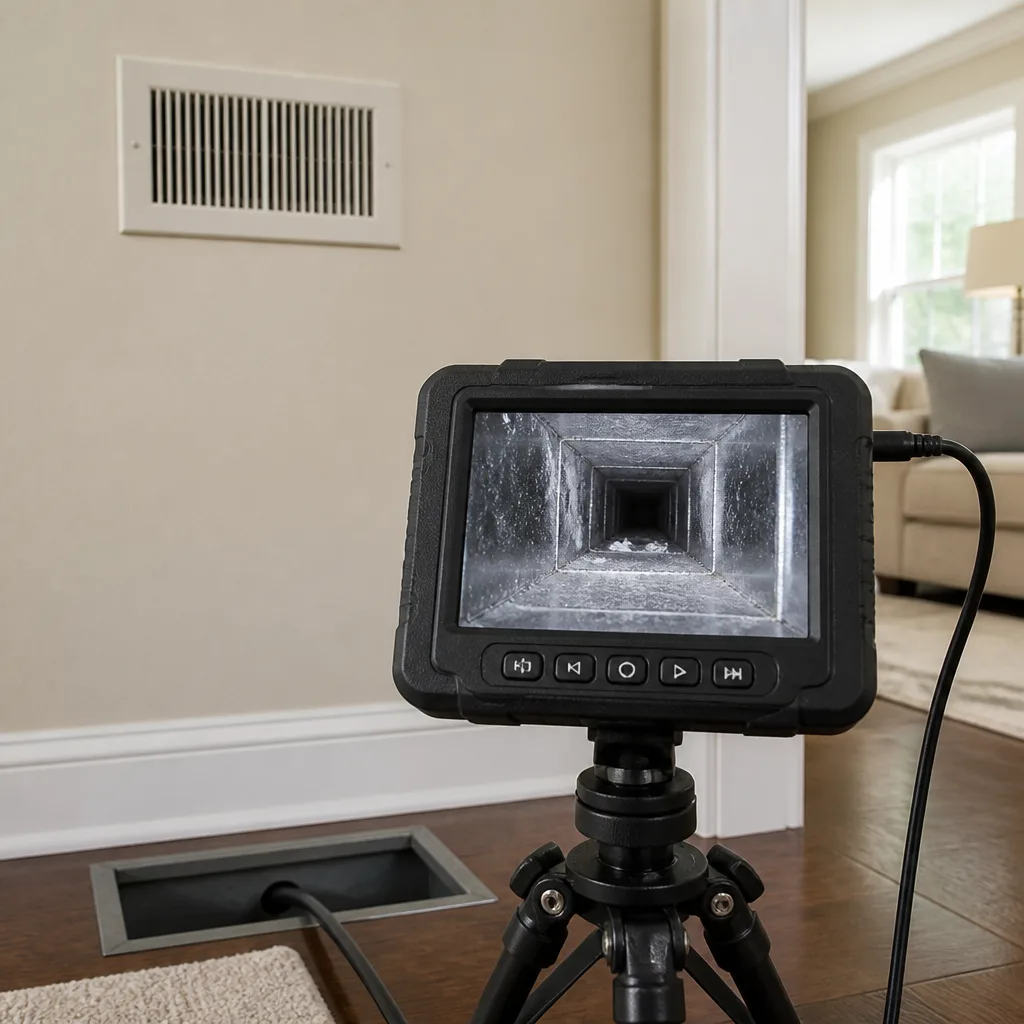 Camera inspection
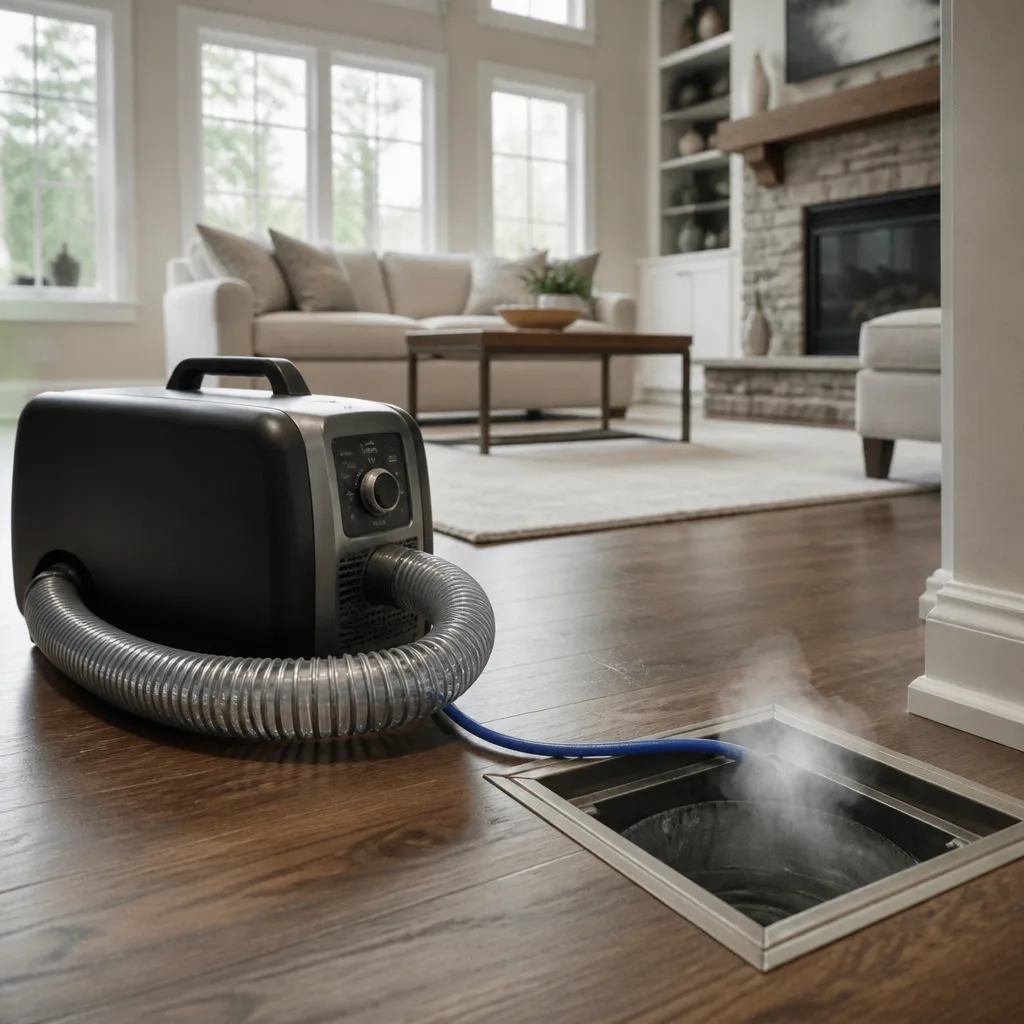 Sanitizing & deodorizing
Whole-system duct and dryer vent check with before-and-after photos - you see exactly what came out of your vents
That "$99 whole-house special" is a bait ad - the real number appears once they are in your hallway, or the "clean" is a shop-vac at the register. We photograph the inside of your ducts before and after instead.
Air Duct Cleaning Emergency Preparedness Guide for Fountain Valley Homes
Most Fountain Valley homeowners think of duct cleaning as routine maintenance, something you schedule when the seasons change or allergies flare up. But the real test of your duct system comes after an emergency, and that’s where preparation makes all the difference. After a wildfire smoke event, an HVAC system that was running during peak smoke infiltration can re-contaminate a fully aired-out home every time it cycles on. The ductwork holds particulate that filters alone don’t address. This guide walks you through what to do before, during, and after the emergencies that matter most in Fountain Valley: wildfire smoke, flooding, and post-renovation contamination.
Quick Answer
Air duct cleaning after an emergency in Fountain Valley is not a one-size-fits-all service. The right approach depends on what entered your ducts: wildfire smoke requires particulate assessment and agitation-based cleaning, floodwater demands moisture inspection and possible duct replacement, and renovation debris needs heavy extraction equipment. In most cases, you should have a professional assessment within days of the event, document everything with photos for insurance, and avoid running the HVAC system until the ducts are confirmed clean.
Styles & brands we work with
- Whole-home duct cleaning
- Dryer vent cleaning
- Camera inspection
- Sanitizing & deodorizing
Table of Contents
- Wildfire Smoke and Your Duct System: The Protocol That Actually Works
- Post-Flood Duct Assessment: Moisture, Contamination, and the Replacement Question
- Post-Renovation Contamination: Why Drywall Dust Is a Different Animal
- Documenting Duct Condition for Insurance: What to Capture and When
- The Clean vs. Replace Decision Framework
- Building a Pre-Emergency Duct Preparedness Plan
- Common Mistakes to Avoid
- When to Call a Professional
- Frequently Asked Questions
Wildfire Smoke and Your Duct System: The Protocol That Actually Works
Wildfire smoke is not ordinary dust. It contains fine particulate matter, partially combusted organic compounds, and volatile residues that behave differently inside ductwork than the everyday accumulation your system collects. When smoke infiltrates a Fountain Valley home, the HVAC system becomes both a pathway and a reservoir. The blower pulls smoky air through the return registers, and if the system runs during the event, that particulate deposits along the interior surfaces of the supply and return plenums, the branch runs, and the blower assembly itself.
The protocol matters because the sequence of actions determines whether you solve the problem or simply move it around. Here is the step-by-step approach we recommend for Fountain Valley homes after a significant smoke event:
- During the event: Switch the HVAC system to fan-only mode if it has a high-MERV filter installed, or shut it down entirely. Running the system during heavy smoke infiltration pushes particulate deeper into the duct network. If you need cooling and cannot avoid running the system, set it to recirculate and replace the filter immediately after the event passes.
- Immediately after: Do not resume normal operation. Replace the filter with a fresh one rated MERV 11 or higher. Open windows and use portable fans to flush the living space, but keep the central system off until you can assess the duct condition.
- Within 48 hours: Inspect the supply registers and the return grille. Remove one or two register covers and wipe a clean white cloth along the interior duct wall. If the cloth comes back with gray or brown residue that smells smoky, the ductwork has collected particulate and needs professional attention.
- Assessment decision: If visible residue is present, schedule a professional inspection. A technician using professional-grade equipment from Wellington Air Duct Cleaning will assess the extent of deposition and recommend either a targeted cleaning of affected runs or a full-system cleaning, depending on severity.
- Resumption: Only resume normal HVAC operation after the ducts are cleaned and a new filter is installed. This prevents re-contamination of cleaned living spaces.
Fountain Valley’s inland Orange County location means wildfire smoke from the Santa Ana Mountains and the larger Southern California fire zones can settle over the city for days. The smoke that drifts into your neighborhood may have traveled a long distance, but it still carries particulate fine enough to bypass standard fiberglass filters. Homes in established Fountain Valley neighborhoods like Green Valley and Westmont often have duct systems sized for the mild coastal-inland climate, and those systems were not designed to handle the particle load of a prolonged smoke event. That is why the assessment step matters: you need to know whether your ducts collected smoke particulate before you trust the air coming through them again.
Post-Flood Duct Assessment: Moisture, Contamination, and the Replacement Question
Fountain Valley is not a coastal city, and it does not face the saltwater surge risk of beachfront communities. But the city sits on relatively flat terrain with a high water table in some areas, and heavy storm events can overwhelm drainage and push water into slab foundations and crawlspaces. When water enters a home, even an inch or two, it finds its way to the lowest points of the HVAC system, which are often the return ducts running through floor cavities or the air handler sitting in a closet or garage near floor level.
Moisture in ductwork creates a contamination timeline that determines what you can salvage and what you should replace. Here is how that timeline works:
- First 24 to 48 hours: Water that has entered ductwork begins saturating the interior insulation liner, if present, and the accumulated dust and debris that coats most older systems. This creates a slurry that will dry into a hardened, bonded layer if not addressed quickly.
- 48 hours to one week: Microbial growth becomes likely in any saturated organic material. The dark, unventilated environment of a duct run retains moisture far longer than exposed surfaces, and the growth that starts inside ducts will not be visible from your registers.
- One week and beyond: The duct interior, the insulation liner, and potentially the flex duct material itself begin to degrade. At this point, cleaning may not be sufficient, and replacement becomes the more honest recommendation.
The assessment starts with the return side. In many Fountain Valley slab-foundation homes, returns run through the concrete, and any water that pooled at floor level has a direct path into those channels. A professional will inspect the returns first, then the supply plenum, then the branch runs, using access points that may require cutting small inspection openings. The question is not whether moisture entered, but how far it traveled and how long it sat. That determines whether cleaning with professional-grade Rotobrush or Nikro equipment can restore the system, or whether sections need to be removed and replaced. Wellington Air Duct Cleaning is one of the few companies in Fountain Valley that will make the replacement call honestly, because air duct cleaning is not the right answer for every water-damaged system, and saying so is part of doing the job correctly.
Post-Renovation Contamination: Why Drywall Dust Is a Different Animal
Renovation debris is the most commonly underestimated duct contaminant in Fountain Valley. Homeowners remodel kitchens, add rooms, retexture ceilings, and then wonder why the HVAC system is noisy, the air smells dusty, and every surface in the house carries a fine white film. The answer is almost always the same: the renovation generated debris that entered the duct system through open returns, and standard cleaning did not remove it.
Drywall dust, insulation fibers, and construction debris are a distinct contamination category for two reasons. First, the particle size and density differ from household dust. Drywall dust is fine enough to become airborne during sanding and dense enough to compact inside ducts, forming a packed layer that a simple vacuum pass will not dislodge. Second, the debris often includes materials that should never be in a breathing air stream: fiberglass shards from insulation, adhesive residues from flooring, and fine sawdust from framing lumber.
Our approach to post-renovation contamination in Fountain Valley homes follows a different sequence than standard duct cleaning:
- Pre-inspection: We locate the returns that were open during the work and map the likely debris path through the system. This tells us which runs need the heaviest attention.
- Source removal: We do not vacuum around renovation debris. We remove it. That means agitation tools designed to break the packed layer free from duct walls, paired with high-powered extraction that pulls the debris out rather than pushing it deeper.
- Filter and blower check: The blower wheel and the filter housing collect renovation dust faster than any other component. If those are not cleaned, the system will redistribute dust through the home even with clean ducts.
- Post-cleaning verification: We inspect the supply registers and return plenum with a camera to confirm the debris layer is gone, not just reduced.
This is where the tooling difference matters. The Rotobrush and Nikro systems we run are the same systems used by certified restoration and remediation professionals, not rental counter equipment. The distinction is important because renovation debris requires aggressive agitation and sustained extraction, and lighter consumer-grade machines simply do not generate the airflow or the mechanical scrubbing action to remove compacted construction dust. For Fountain Valley homeowners who have just spent months on a remodel, the last thing you want is a duct cleaning that leaves half the dust in place and recirculates the other half through your newly finished rooms.
Documenting Duct Condition for Insurance: What to Capture and When
Insurance claims after an emergency depend on documentation, and duct system damage is one of the easiest things to under-document. The ductwork is hidden, the damage is internal, and the adjuster may never see what you see. A photographic record, taken in the right sequence, makes the difference between a covered claim and a denied one.
Here is the documentation protocol we recommend for Fountain Valley homeowners:
- Before the event: If you have had a recent professional cleaning, keep the before-and-after photos. They establish a baseline showing the system was clean prior to the emergency. Most professional cleaners in Fountain Valley provide these, and dryer vent cleaning services should do the same for the vent run.
- Immediately after the event: Photograph the registers, returns, and the area around the air handler. Capture wide shots for context and close-ups for detail. If water was involved, photograph the water line on walls and the floor-level returns.
- During inspection: A professional inspection with a duct camera produces internal images that show contamination or moisture. Request a written assessment that includes those images, because the written assessment carries more weight with an adjuster than a verbal summary.
- Before and after cleaning: If cleaning is performed, insist on before-and-after documentation of the duct interior. This proves what was present and what was removed.
- Written assessment timing: Request the written assessment as close to the event as possible. Insurance companies are more comfortable with contemporaneous documentation than with reports generated weeks later.
For Fountain Valley homeowners, the practical point is this: do not wait for the adjuster to ask about your ducts. Document them yourself, document them early, and request professional written assessments when the event is significant. The cost of a professional assessment is small compared to a denied claim on a system that needs replacement.
The Clean vs. Replace Decision Framework
Not every emergency-damaged duct system should be cleaned. Some should be replaced, and the distinction is not always obvious from outside the system. Here is the framework we use to make that call for Fountain Valley homes:
Cleaning is appropriate when:
- The contamination is particulate only: smoke residue, drywall dust, or debris that sits on the duct surface without saturating the material.
- The duct material is intact: the sheet metal, flex duct, or fiberglass board has not degraded from moisture or impact.
- The system is otherwise functional: the blower, coil, and filter housing are in working condition and can be cleaned along with the duct runs.
- The contamination is relatively recent: particulate that has not had time to bond with moisture or degrade the duct lining.
Replacement is appropriate when:
- Water sat in the ducts long enough to saturate insulation liners or flex duct material, and the material has begun to break down or shows visible staining.
- The ducts were physically damaged by flood debris, structural movement, or renovation impact.
- The duct system was already aging or poorly installed, and the emergency accelerated existing problems. If the system was marginal before the event, cleaning will not make it right.
- The contamination is not removable: certain adhesives, sealants, or chemical residues bond to duct surfaces in ways that mechanical cleaning cannot address.
The honest answer is sometimes replacement, and a company that only cleans will not tell you that. Wellington Air Duct Cleaning offers air duct cleaning, but we also perform air duct repair, which means we can identify and fix duct damage that other companies vacuum around. The decision between cleaning and replacement should be based on the condition of the system, not on the service the company happens to sell. In our experience with Fountain Valley homes, the most common replacement trigger after an emergency is water-saturated flex duct in crawlspaces and floor returns, because that material holds moisture longer than sheet metal and degrades faster.
Building a Pre-Emergency Duct Preparedness Plan
The best time to understand your duct system is before something goes wrong. A pre-emergency plan for your Fountain Valley home takes about an hour and saves days of uncertainty after an event. Here is what we recommend:
- Know your system: Locate the air handler, identify the return registers, and note whether returns run through the floor or the walls. Floor-level returns are more vulnerable to flooding; wall returns are more exposed to renovation dust.
- Baseline documentation: Have your ducts professionally cleaned and photographed once, even if they do not currently show problems. This gives you a before-state for any future insurance claim.
- Filter strategy: Keep a supply of MERV 11 or higher filters on hand during wildfire season. Swap the filter after any significant smoke event, regardless of the last change date.
- Emergency contacts: Know who you will call for a professional duct assessment before you need one. The phone number to have saved is (877) 358-4557. We answer 24/7. Fast dispatch from 7am to 7pm, Sunday through Friday.
Fountain Valley homeowners who take these steps before an emergency will move through the recovery process faster, document more effectively, and make better decisions about cleaning versus replacement. The alternative, figuring everything out while the air smells like smoke or the floors are drying, is how avoidable mistakes happen.
Common Mistakes to Avoid
- Running the HVAC system during a smoke event: The system pulls smoke particulate into the ducts and distributes it throughout the home. Switch to fan-only or shut down until the outside air clears.
- Assuming the filter caught everything: Standard fiberglass filters capture large particles and miss the fine particulate that forms the visible residue inside ducts. A clean filter does not mean clean ducts.
- Cleaning flood-damaged ducts without assessing water saturation: If water sat in the ducts for more than a few days, cleaning may remove the visible debris while leaving saturated material behind. That material will continue to degrade and contaminate the air.
- Treating renovation dust like standard dust: Drywall and construction debris require different agitation and extraction equipment than the household dust a standard cleaning addresses. Consumer-grade machines will not remove compacted renovation debris.
- Waiting to document the duct condition after an emergency: The longer you wait, the harder it is to establish what the event caused versus what was already present. Photograph and document within days, not weeks.
- Hiring a generalist contractor for emergency duct assessment: A company that offers duct cleaning as one of many services will not have the single-niche focus or the professional-grade Rotobrush and Nikro equipment that this situation requires. Duct assessment after an emergency is a specialty call.
When to Call a Professional
Call a professional when the event is significant enough that you cannot confirm the duct condition yourself. If you smell smoke coming from the registers after a wildfire event, if water reached the floor-level returns or the air handler, or if you can see renovation dust inside the supply registers, the system needs assessment by someone who does this work full-time. Do not wait for the problem to become obvious, because an obvious problem in a duct system usually means the contamination has already spread. Wellington Air Duct Cleaning offers free estimates in Fountain Valley. Call (877) 358-4557. We answer 24/7. Fast dispatch from 7am to 7pm, Sunday through Friday.
Frequently Asked Questions
Remove a supply register cover and wipe a clean white cloth along the interior duct wall. If it comes back gray or brown with a smoky odor, the ducts have collected particulate. You can also check the filter: a filter that is heavily discolored after a smoke event is a sign that the system pulled smoke through the return side. For a definitive answer, a professional duct camera inspection shows exactly what is inside the runs.
You can replace the filter and wipe accessible register interiors, but you cannot clean the full duct run without professional equipment. The runs extend through walls, floors, and attics, and the tools that reach them are the Rotobrush and Nikro systems used by remediation professionals, not the attachments on a household vacuum. Attempting a partial clean often pushes debris deeper into the system.
The price depends on system size, contamination severity, and whether repair or replacement is needed. A typical whole-home cleaning for a Fountain Valley single-family house is quoted per job by written estimate, not per vent. The estimate is free, and the written estimate sets the final price before any work begins. Call (877) 358-4557 for an exact quote.
Inspect as soon as the standing water is removed and it is safe to access the system. The first 48 hours are critical for preventing the moisture from saturating insulation liners and flex duct material. An inspection within that window gives you the most options: quick cleaning if the water was brief, or early replacement planning if the ducts were saturated.
Coverage depends on your policy and the cause of the contamination. Some policies cover duct cleaning after a covered peril such as fire or water damage, while others treat it as maintenance. The documentation you gather, including a professional written assessment with photos, strengthens your claim. Always check with your insurer and submit documentation promptly.
The difference is usually equipment and scope. A low quote often comes from a company using portable or consumer-grade machines that cannot agitate and extract the way professional-grade systems do. The job may also exclude the blower, coil, and return plenum, leaving half the system uncleaned. Wellington Air Duct Cleaning runs Rotobrush and Nikro equipment on every job and cleans the full system, not just the visible runs.
The Bottom Line
Fountain Valley homes face emergency scenarios where the duct system becomes a silent carrier of contamination after the visible event is over. Wildfire smoke, flood moisture, and renovation debris all require a specific response, and the right response depends on knowing what entered the system, how long it sat, and whether the duct material can be restored or should be replaced. Document everything, act within days, and choose a company that treats duct work as its entire business, not a sideline. When the air in your home is the question, the answer starts inside the ducts. Call (877) 358-4557 for a free estimate. We answer 24/7. Fast dispatch from 7am to 7pm, Sunday through Friday.
Written by the team at Wellington Air Duct Cleaning, serving Fountain Valley since 2013.
See the difference
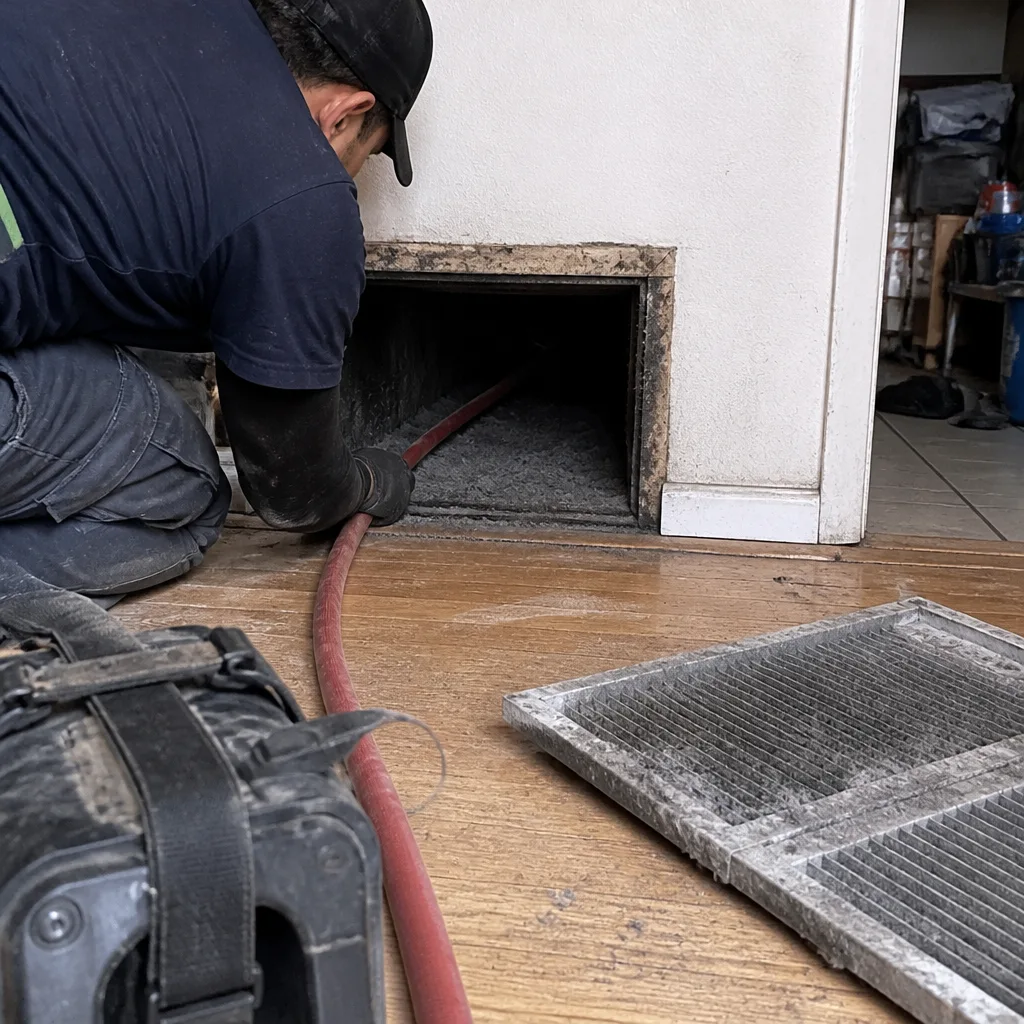 Before
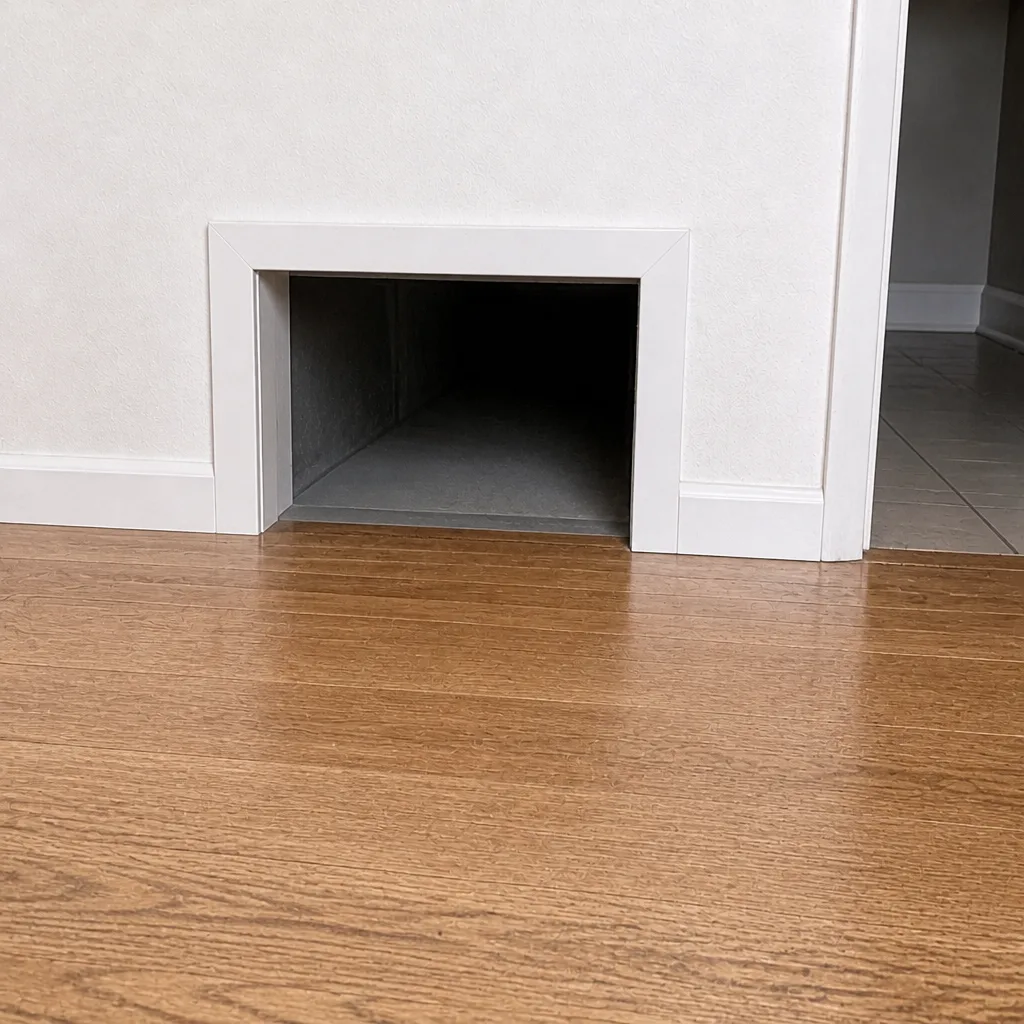 After
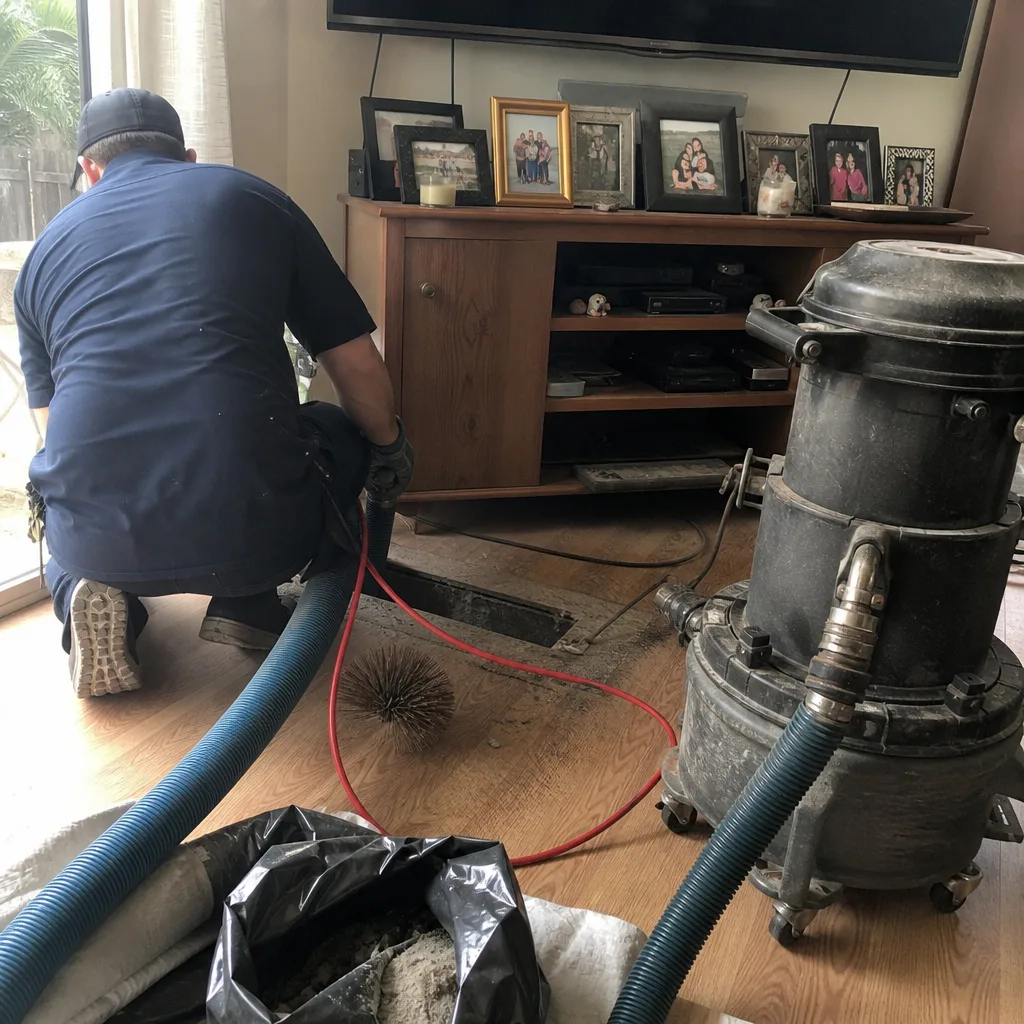 Before
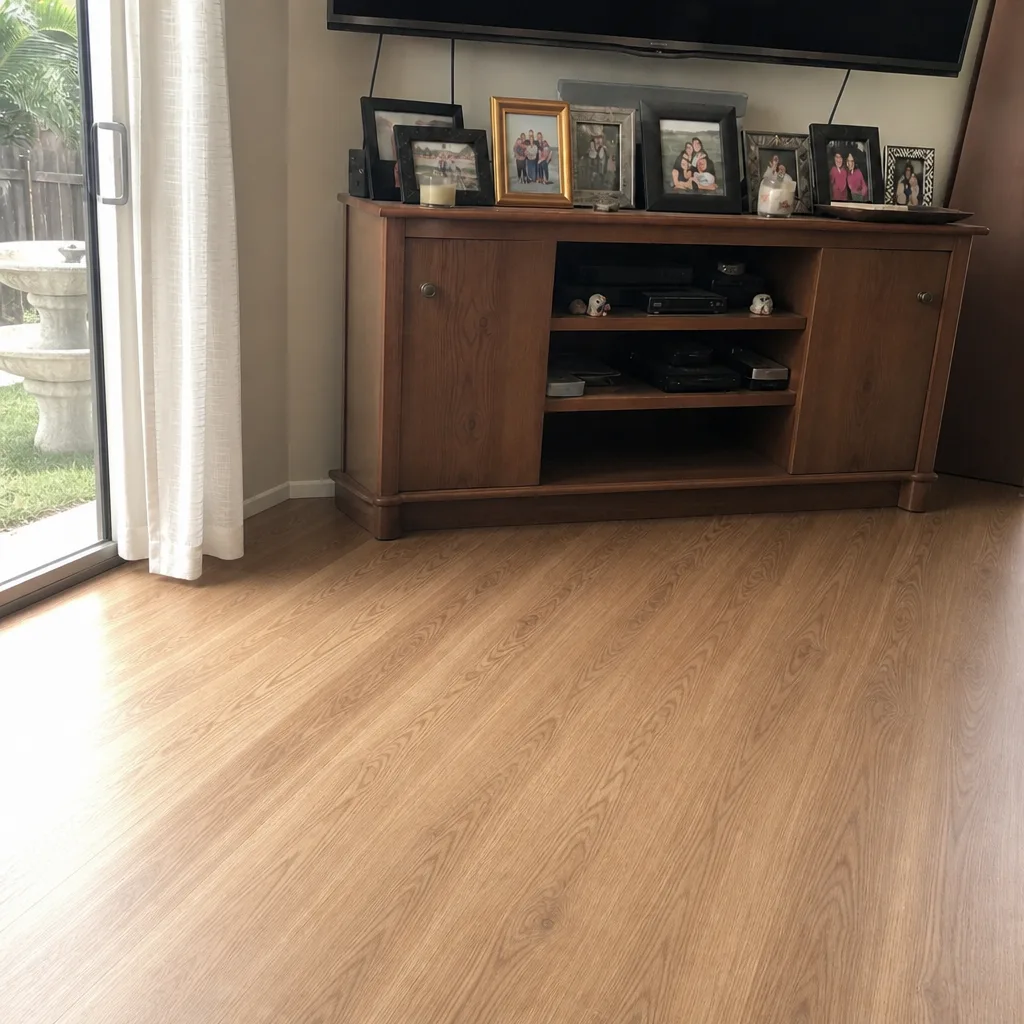 After
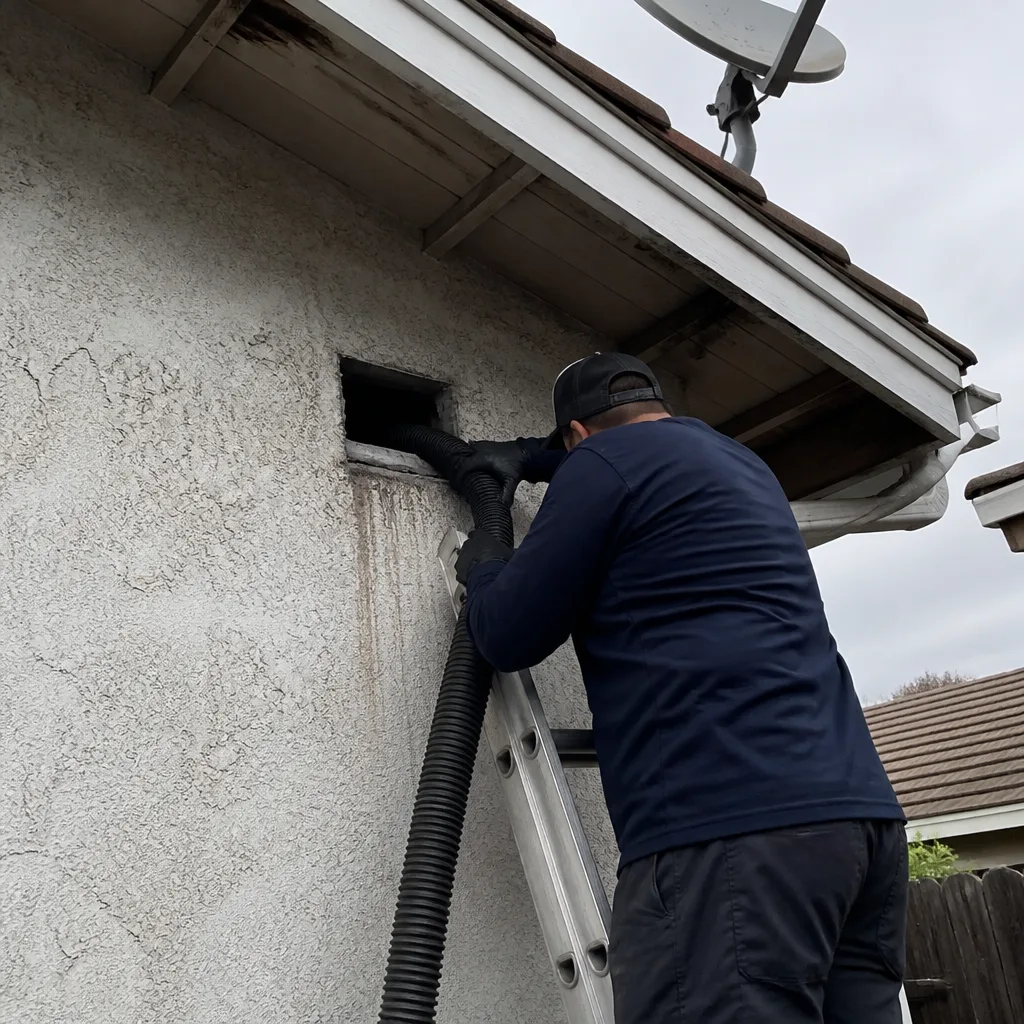 Before
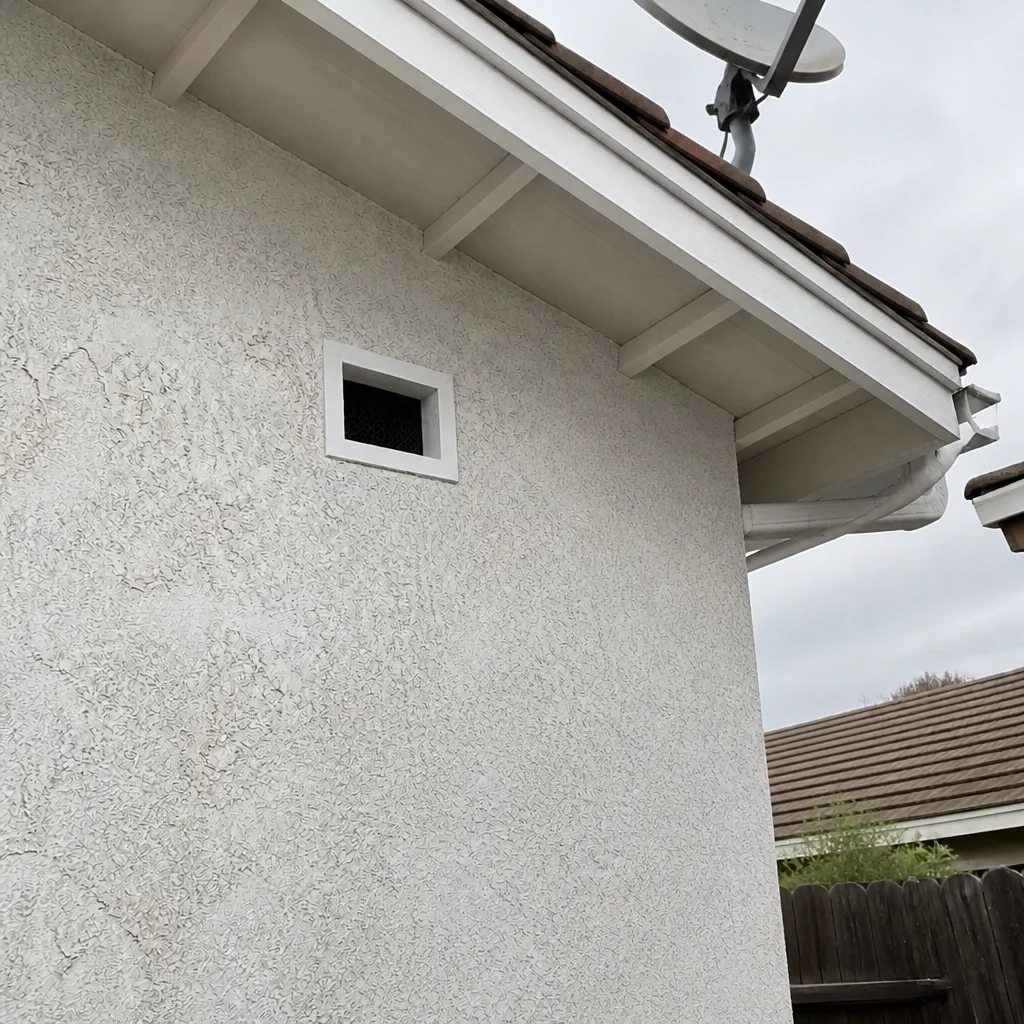 After